
Accounting
Beyond bitcoin: Advising clients on digital asset diversification

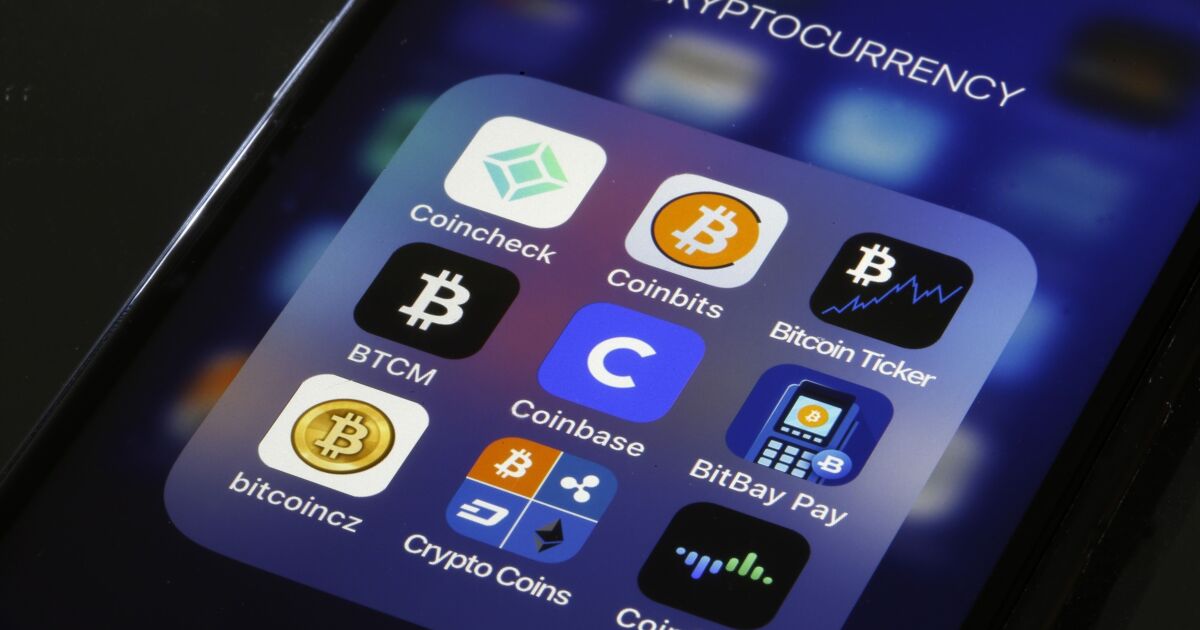

When it comes to the digital asset world, one thing is certain: There’s never a dull moment! Take, for instance, President Trump’s announcement to implement high tariffs on goods from Canada, China and Mexico. This sent shockwaves through the digital asset market, causing bitcoin to fall below $100,000. Although the value eventually rebounded, chances are we’ll continue to see extreme price fluctuations.
As the digital asset landscape becomes increasingly unpredictable, it’s important to encourage clients to diversify their holdings across sectors and digital asset types. Not only will this help with tax planning, but it will also propel you into a more advisory role. Here are four strategies you can recommend to clients to diversify their digital asset portfolio:
Purchase different coin and token types
Perhaps the easiest way clients can diversify their digital asset portfolio is to acquire different types of coins and tokens. Advise clients to start with well-established cryptocurrencies, such as bitcoin and ether. Because these cryptocurrencies have a large market cap, they’re typically considered lower-risk investments.
After that, encourage clients to consider altcoins. These are cryptocurrencies that aren’t bitcoin. Although altcoins are riskier, they have the potential to quickly appreciate in value. But be careful — their values can suddenly plummet as well. As a rule of thumb, when investing in lesser-known altcoins, clients should only put in what they’re willing to lose.
There are other types of coins and tokens that may help with diversification, including the following:
- Stablecoins, which are cryptocurrencies whose value is tied to another asset. USD coin is a popular stablecoin that’s pegged to the U.S. dollar.
- Security tokens, which are tokens that represent ownership or participation in a real-world asset (like stocks, bonds or real estate).
- Nonfungible tokens, or NFTs, which are tokens that represent ownership of a unique digital item, such as art, music, animated GIFs, articles and social media posts.
Many clients will be unfamiliar with these items, so taking the time to explain the benefits and potential risks of each investment will solidify client relationships and elevate your advisory practice.
Invest in a crypto exchange-traded product
A crypto ETP is the digital asset world’s version of a mutual fund. It’s essentially a way to invest in cryptocurrency without purchasing the coins directly. Like other ETPs, crypto ETPs are securities that track the value of underlying assets. However, in this case, the underlying assets are cryptocurrencies, such as bitcoin and ether.
To help get clients started, you can recommend a reputable broker. Most major online brokers offer crypto ETPs; however, ETP types and fees will vary. Also, it’s important to educate clients on the risks of investing in a crypto ETP. One potential drawback is trading can only occur during regular market hours, meaning your client may miss out if cryptocurrency values significantly change during the weekend (which, as we’ve seen, is highly likely). This wouldn’t happen if your client purchased cryptocurrency directly since online exchanges are always open (unless briefly shut down for maintenance).
Try a crypto-related exchange-traded fund
Clients who go down this route have two options to consider: a stock-based ETF and a futures-based ETF. In a stock-based ETF, the client holds a collection of crypto-related stocks. These are the stocks of corporations that operate in the digital asset space, such as Coinbase Global, Inc. If your client decides to invest in a futures-based ETF, they will be exposed to the price movements of cryptocurrency futures contracts, which are agreements to exchange the fiat-equivalent value of a digital asset (or the asset itself) on a future date.
As with ETPs, ETFs won’t give your clients direct ownership of cryptocurrencies — they will simply own units within the funds. This could be a problem if a particular cryptocurrency or company increases in value, but that growth isn’t fully reflected in the ETF. However, crypto-related ETFs are still a great way to diversify a digital asset portfolio.
Hold digital assets in a self-directed IRA
As a tax and accounting professional, you’re probably familiar with self-directed IRAs that hold real estate, precious metals, foreign currencies, commodities or hedge funds. But did you know they can also be used to hold digital assets? There are crypto IRA platforms out there that can help with the administrative burdens typically associated with self-directed IRAs.
Advising clients to establish a self-directed IRA can be a smart move; however, setting one up that invests in cryptocurrency is often complex. In many cases, you will need to direct the client to create an LLC that’s solely owned by the IRA. After that, a checking account should be opened in the LLC’s name. The LLC will also need to acquire a digital wallet. After the IRA is funded, the plan should be directed to transfer the funds to the LLC’s checking account to purchase cryptocurrency through the digital wallet. This isn’t always needed, however, as some account managers allow the IRA to invest directly in cryptocurrency without the need for an LLC. You can help your client find a cryptocurrency exchange that allows IRAs to open accounts.
Don’t forget the tax implications
In addition to advising clients on digital asset diversification, you’ll need to ensure clients fully understand how their investments are taxed. The guiding principle behind digital asset taxation is digital assets are treated as property for federal income tax purposes. This means that every time a digital asset is sold or exchanged for goods or services, gain or loss will be recognized (subject to limitations under the Internal Revenue Code, if applicable). Some clients have the misconception that cryptocurrency is treated just like cash for tax purposes. You can clear that up and, with proper tax planning, help clients efficiently manage their digital asset transactions.
Be strategic
Navigating the ever-evolving digital asset landscape requires a strategic approach to diversification. With your guidance, clients will be able to make informed decisions, mitigate risks and seize opportunities in a dynamic market.





U.S.-China AI Competition Intensifies as Washington Pushes Allies to Choose Sides

Nvidia’s Potential $3 Billion SB Energy Investment Could Reshape AI Infrastructure

U.S. Retail Sales Fall for the First Time in Nine Months as Consumer Spending Slows

Armanino adds Strategic Accounting Outsourced Solutions

New 2023 K-1 instructions stir the CAMT pot for partnerships and corporations

Tax Strategy: Employee Retention Credit update
-

 Economics1 week ago
US Inflation Matches Wall Street Projections as Core CPI Cools to 2.5%: Key Implications for Economy and Markets
-
 Economics4 days ago
U.S. Retail Sales Fall for the First Time in Nine Months as Consumer Spending Slows
-

 Economics6 days ago
Macroeconomic Impact of Global Energy Shocks and Shipping Route Realignment in 2026
-

 Finance6 days ago
Cross-Border Settlement Innovation and Real-Time Payment Architecture
-

 Accounting6 days ago
AI-Driven Automation and Continuous Accounting Frameworks
-

 Personal Finance6 days ago
Navigating Residential Real Estate and Mortgage Strategy
-

 Technology6 days ago
The Shift to On-Device Edge AI and Advanced Microprocessor Architecture in 2026
-

 Leaders6 days ago
Modern Executive Leadership: Navigating Hybrid Work Dynamics and Outcome-Based Governance