
Accounting
How the accounting profession is helping rebuild LA after wildfires

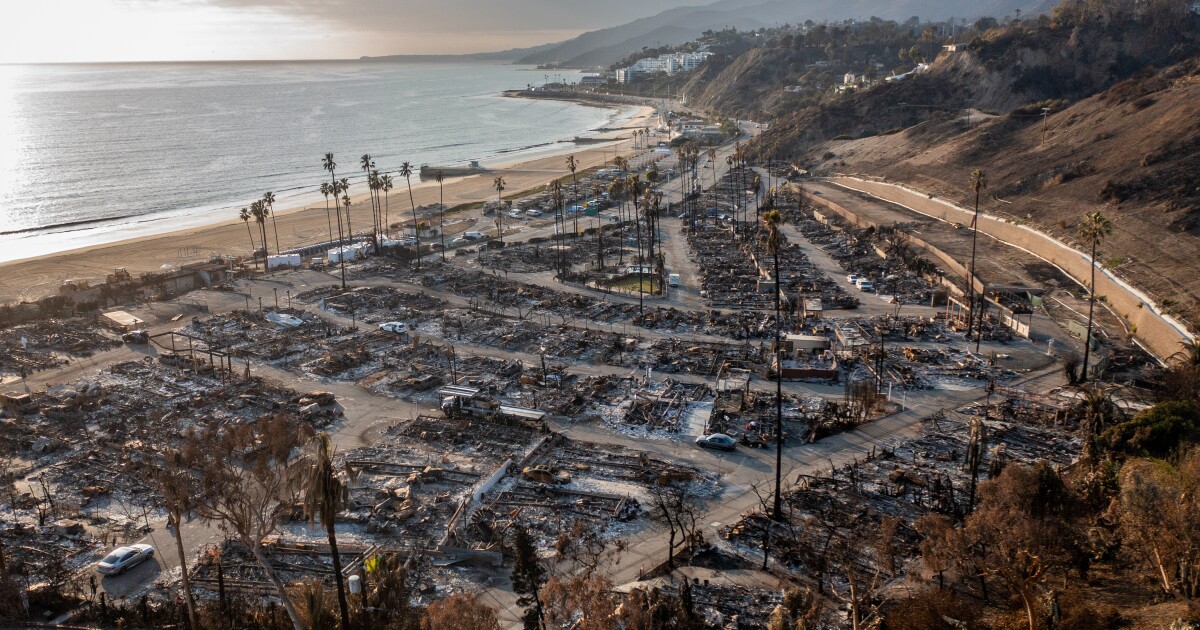

The Los Angeles entertainment industry has long relied on highly skilled freelancers and independent contractors to power its film, television and musical entertainment projects. According to a
Even before the wildfires, employment in California’s film, television and sound sector had dropped nearly 30% between 2022 and 2024, according to
Gig workers in LA’s entertainment industry already operate in a volatile environment where job security is almost nonexistent, and their income is heavily project dependent. The wildfires compounded an already tough situation — many lost their homes, their workplaces and the infrastructure they rely on to find gigs. Unlike full-time employees, gig economy workers don’t have benefits, severance packages or unemployment safety nets to fall back on. And when production suddenly halts, there are no guarantees about when or if their work will resume. This leaves tens of thousands of workers scrambling to make ends meet. This situation has hit close to home. My brother is a choreographer/dancer who also has a talent agency. When the fires canceled a performance, it cost him (and his clients) a five-figure job. That job would have been his biggest deal yet, and it all went away so suddenly.
The fires came after the pandemic shut down movie theaters and production five years ago. Then came the 2023 writers and actors strikes, which halted projects, delayed film releases and cut into box office revenue. As a result, studios cut back spending, leading to massive layoffs while streamers reevaluated content strategies and projects were scrapped.
Now, the wildfires have added another layer of devastation, displacing thousands of workers and destroying homes, sets and production facilities. Hollywood hasn’t had a chance to catch its breath, and the ripple effect of these disruptions is massive.
Losing a home is more than just losing a roof over your head — it also means you lose stability, security, and in many cases, the tools you need to work. For actors, directors and producers, it might mean losing scripts, gear or a home office where they edit, write or produce. For below-the-line workers — crew members, sound engineers, set designers — losing your home could mean losing equipment, props or even an entire workshop. In an industry where many workers are freelancers or small business owners, rebuilding isn’t as simple as filing an insurance claim. It’s a financial and emotional blow that can take years to recover from, all while trying to find work in an already struggling industry.
Accounting profession steps up to help
I’m proud to report that two organizations you wouldn’t normally associate with the LA entertainment industry are taking the lead in the region’s disaster recovery efforts.
The National Association of Black Accountants is focused on financial recovery and stability, especially for displaced workers and for small business owners in the entertainment industry. As NABA’s LA Chapter President, I can assure you we’re working to provide financial literacy resources, guidance on navigating relief funds and direct support for impacted workers through our network of professionals. Whether it’s helping with the tax implications of disaster relief funds, advising on business continuity plans, or connecting affected workers to financial assistance programs, NABA is committed to ensuring that those impacted aren’t left behind as LA rebuilds. NABA has started a
Meanwhile, I continue my involvement with the
Entertainment is the heartbeat of LA. It’s more than just an industry; it’s a culture, a community and an economic powerhouse. I’ve worked closely with “creatives,” content creators and production teams, and I’ve seen firsthand how much passion and dedication goes into the amazing work they do. But I’ve also seen how financially vulnerable many of these workers are, especially gig workers who don’t have a safety net when disaster strikes. Providing financial stability to these talented, “essential” workers is a key part of rebuilding LA — not just for individuals, but for the entire industry.
10 ways you can help
1. Donate to local relief funds
- Organizations like the Entertainment Community Fund, the California Fire Foundation, and Red Cross LA provide immediate assistance to those displaced or affected.
- Consider donating directly to union-supported initiatives like SAG-AFTRA Disaster Relief Fund or the IATSE Local 600 Hardship Fund.
2. Support impacted businesses
- Many small studios, rental houses and creative vendors lose revenue during wildfires. Seek out and support these businesses once they reopen — from indie theaters to prop houses to local production crews.
3. Share resources
- Use your platform to amplify verified relief efforts, fundraisers or mutual aid lists. Especially in the entertainment industry, visibility helps drive action.
4. Volunteer (if you’re local)
- Join community cleanup efforts, deliver meals or offer temporary housing support via platforms like Airbnb’s emergency housing program.
5. Offer pro bono financial services
- Entertainment professionals, especially freelancers, are often unprepared for the financial chaos caused by sudden work stoppages or evacuation.
- CPAs and financial advisors can volunteer their time to help affected workers apply for emergency assistance, file insurance claims or restructure debt.
6. Help production companies and studios navigate business interruption insurance
- These employers may be eligible for insurance payouts due to delays or cancellations. Financial pros can provide vital guidance with organizing claims and documenting losses.
7. Assist nonprofits with emergency budgeting
- Many nonprofit arts organizations will be hit hard by fire-related shutdowns. Accountants can assist with cash flow forecasting, grant applications or budget adjustments to help them stay afloat.
8. Host financial literacy webinars for affected creatives
- Partner with guilds, unions or community centers to offer freelancers workshops about managing disaster-related disruptions, taxes and rebuilding savings.
9. Advocate for disaster-resilient policies
- Use your professional voice to push for better financial safety nets in the entertainment industry. These include income protection, disaster savings accounts, or revised insurance policies for independent creators.
10. Get involved
Consider joining the
If we want Hollywood and LA’s creative scene to come back stronger, we need to support the people who make it all happen. That’s where you come in. There are so many ways you can help.





U.S.-China AI Competition Intensifies as Washington Pushes Allies to Choose Sides

Nvidia’s Potential $3 Billion SB Energy Investment Could Reshape AI Infrastructure

U.S. Retail Sales Fall for the First Time in Nine Months as Consumer Spending Slows

Armanino adds Strategic Accounting Outsourced Solutions

New 2023 K-1 instructions stir the CAMT pot for partnerships and corporations

Tax Strategy: Employee Retention Credit update
-

 Economics1 week ago
US Inflation Matches Wall Street Projections as Core CPI Cools to 2.5%: Key Implications for Economy and Markets
-
 Economics4 days ago
U.S. Retail Sales Fall for the First Time in Nine Months as Consumer Spending Slows
-

 Economics5 days ago
Macroeconomic Impact of Global Energy Shocks and Shipping Route Realignment in 2026
-

 Finance5 days ago
Cross-Border Settlement Innovation and Real-Time Payment Architecture
-

 Accounting6 days ago
AI-Driven Automation and Continuous Accounting Frameworks
-
 Personal Finance6 days ago
Navigating Residential Real Estate and Mortgage Strategy
-

 Technology6 days ago
The Shift to On-Device Edge AI and Advanced Microprocessor Architecture in 2026
-

 Leaders6 days ago
Modern Executive Leadership: Navigating Hybrid Work Dynamics and Outcome-Based Governance