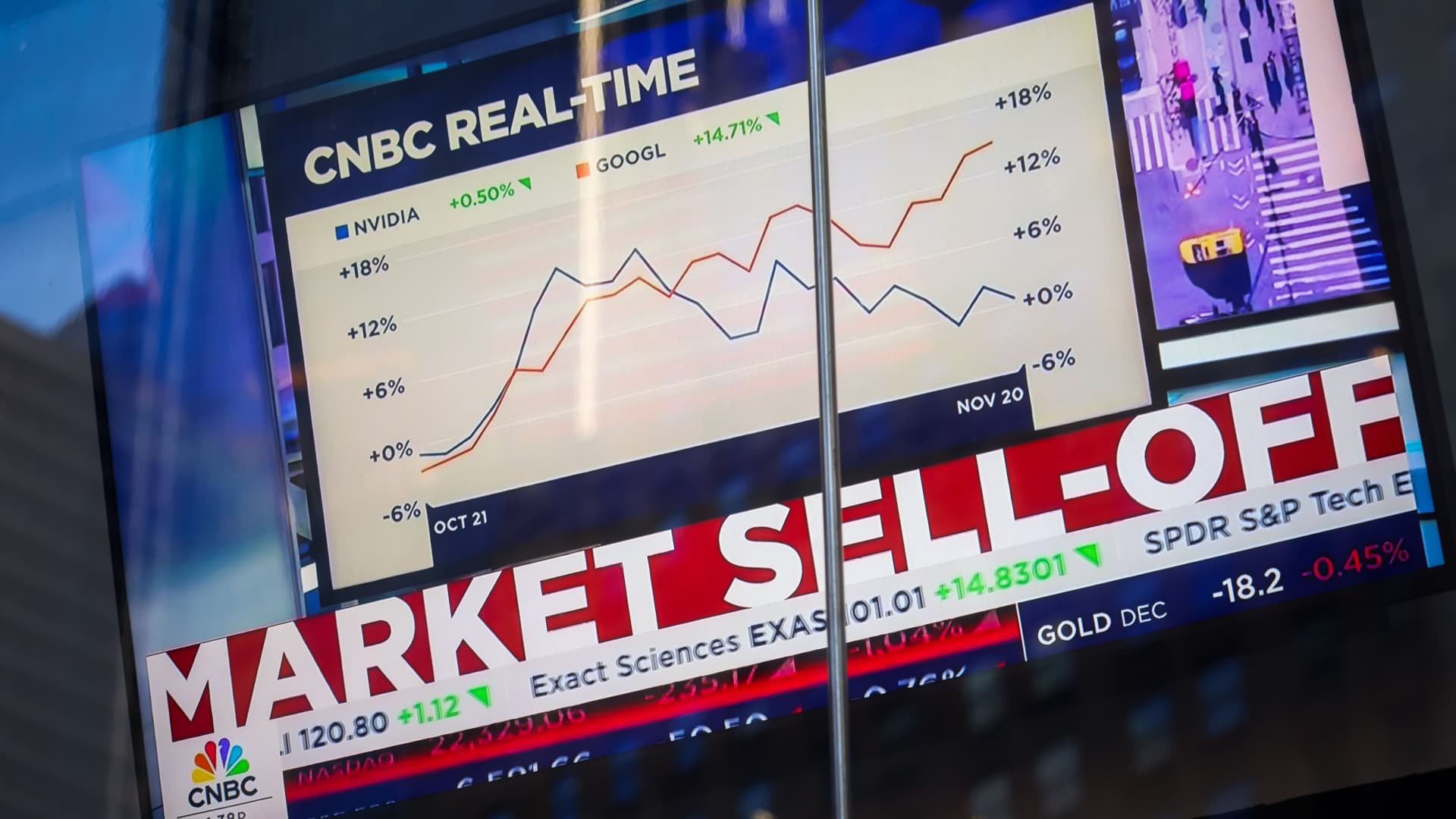
Biotechnology and pharmaceutical equities led market gainers this week following landmark regulatory approvals for advanced gene therapies, oncology treatments, and metabolic medications. Increased sector consolidation through strategic pharmaceutical acquisition deals has further catalyzed investor sentiment across small-cap and mid-cap healthcare stocks.
Breakthrough Gene Therapies Drive Biotechnology Rallies
Leading clinical-stage biotechnology companies announced successful Phase III clinical trial results and subsequent regulatory clearances for novel genetic medicines targeting rare metabolic disorders and neurodegenerative conditions. The commercialization of CRISPR-based gene editing platforms and messenger RNA (mRNA) therapeutic pipelines represents a major growth catalyst for the sector.
Wall Street analysts responded with significant target price upgrades for commercial-stage biotech firms expanding their approved product portfolios. Institutional trading desks reported heavy trading volume in biotechnology exchange-traded funds (ETFs) as capital flowed back into specialized healthcare equities.
Large-Cap Pharmaceutical M&A Accelerates
Major global pharmaceutical companies are aggressively pursuing acquisition deals to replenish revenue streams vulnerable to upcoming patent expirations. Large-cap drugmakers with substantial cash reserves are acquiring specialized biotech companies possessing late-stage clinical assets and proprietary drug discovery platforms.
This wave of strategic corporate acquisitions has provided premium valuations for target companies, lifting overall valuation multiples across early-stage oncology and immunology sectors. Financial advisors anticipate continued deal activity as global drug companies seek to secure market share in high-growth therapeutic categories.
Valuation Realignment and Defensive Growth Profile
The broader healthcare sector continues to exhibit favorable valuation characteristics compared to mega-cap technology equities. With strong pricing power, non-cyclical consumer demand, and robust research pipelines, healthcare stocks offer investors an appealing combination of defensive stability and structural growth potential.
Portfolio Considerations for Healthcare Investors
1. Diversify Across Sub-Sectors: Balance high-risk, high-reward biotechs with established large-cap pharmaceutical companies offering stable dividend yields.
2. Track Regulatory and Clinical Milestones: Monitor upcoming trial readouts and regulatory decision dates, as clinical trial outcomes remain primary catalysts for stock price volatility.
3. Identify M&A Candidates: Research mid-cap biotechnology firms with unique, late-stage therapeutic pipelines that present attractive acquisition targets for major pharmaceutical corporations.
Utility stocks and clean energy infrastructure equities experienced strong capital inflows this week, outperforming broader market indices as institutional investors positioned for sustained growth in commercial electricity demand. The rapid expansion of artificial intelligence data centers, semiconductor fabrication plants, and industrial electrification initiatives has transformed the traditional utility sector into a dynamic growth story.
Surging Electricity Consumption from Enterprise Computing
Global tech conglomerates and cloud service providers are building hyperscale data centers that require massive, uninterrupted electrical power capacities. Regional electric utilities across North America and Europe have revised medium-term power demand growth forecasts upward for the first time in two decades.
Equity analysts have upgraded earnings projections for power generation companies capable of delivering reliable, baseload electricity. Regulated utilities and independent power producers (IPPs) with nuclear, natural gas, and hydroelectric assets are commanding higher valuation multiples as tech firms execute long-term power purchase agreements (PPAs) at premium rates.
Clean Energy Developers and Grid Equipment Manufacturers Rally
Alongside electric utilities, equity valuations for grid modernization equipment manufacturers and commercial clean energy developers advanced significantly. Transforming regional power grids to handle gigawatt-scale data center loads requires substantial capital expenditure on transformers, high-voltage switchgear, and energy storage systems.
Power management equipment vendors and grid infrastructure engineering firms reported record order backlogs during recent quarterly earnings releases. Institutional portfolio managers are increasingly treating electrical equipment manufacturers as essential infrastructure beneficiaries of the artificial intelligence boom.
Dividend Growth and Defensive Appeal
In addition to growth prospects driven by power demand, utility equities continue to provide defensive portfolio characteristics through reliable dividend yields. As capital markets weigh potential economic cycles, high-dividend energy and infrastructure stocks offer an attractive balance of income generation and capital appreciation potential.
Investor Strategy for the Energy-Tech Sector
– Focus on Integrated Power Producers: Prioritize utility companies operating diverse power generation fleets capable of meeting continuous baseload electricity demands.
– Capitalize on Grid Modernization Suppliers: Allocate capital toward electrical equipment manufacturers with expanding order backlogs for high-voltage infrastructure.
– Evaluate Long-Term Power Contracts: Review corporate earnings calls to identify utilities securing high-margin, multi-year contracts with major technology firms.
Alphabet Inc., the parent company of Google, delivered one of the strongest operating quarters in its history for the period ending June 30, 2026. Revenue climbed 24% year over year to $119.8 billion, while Google Cloud revenue surged 82%, reflecting exceptional demand for artificial intelligence infrastructure and cloud computing services. Despite these impressive results, Wall Street focused on one surprising metric: Alphabet reported its first-ever negative quarterly free cash flow since becoming a public company in 2004.
The company generated approximately $39.1 billion in operating cash flow during the quarter but spent $44.9 billion on capital expenditures, resulting in approximately negative $5.9 billion in free cash flow. This was not caused by weak operations or slowing revenue growth. Instead, it reflected Alphabet’s aggressive investments in AI data centers, custom chips, cloud infrastructure, and next-generation computing capacity.
Why Free Cash Flow Matters More Than Earnings
Free cash flow represents the cash remaining after a company pays its operating expenses and capital investments. Investors often consider it one of the best indicators of financial health because it measures the cash available for dividends, share repurchases, acquisitions, and debt reduction.
Although Alphabet reported record revenue and substantial profits, much of its reported net income was boosted by non-cash gains on equity investments. Free cash flow, by contrast, reflects actual cash generated by the business after investment spending. That is why many institutional investors paid closer attention to the cash flow statement than to headline earnings.
Massive AI Spending Is Changing Big Tech
Alphabet’s negative free cash flow is largely the consequence of its determination to remain competitive in the global AI race. Management increased its projected 2026 capital expenditures to approximately $195 billion to $205 billion, one of the largest investment programs ever announced by a technology company. Those investments include new AI data centers, Tensor Processing Units (TPUs), cloud infrastructure, and advanced computing capacity designed to support Gemini AI and enterprise cloud services.
Rather than signaling financial distress, the cash burn demonstrates how expensive AI infrastructure has become. Alphabet is effectively sacrificing near-term cash generation to secure long-term leadership in artificial intelligence.
Short-Term Implications for Alphabet Stock
Investors typically react cautiously when free cash flow turns negative, particularly after many years of strong cash generation. Following the earnings release, Alphabet shares declined as markets questioned whether future AI investments would produce sufficient returns. Analysts also expressed concern that continued spending could pressure future share buybacks and increase reliance on external financing.
In the coming months, Alphabet’s stock could remain volatile as investors closely monitor three critical metrics:
Growth in Google Cloud revenue.
Profitability of AI products and services.
Improvement in free cash flow generation.
If capital expenditures continue rising faster than operating cash flow, valuation multiples may remain under pressure despite strong revenue growth.
Long-Term Outlook Remains Constructive

Despite short-term concerns, Alphabet still possesses several competitive advantages. The company maintains one of the world’s strongest balance sheets, with approximately $242.5 billion in cash, cash equivalents, and marketable securities as of June 30, 2026. Its Search business continues to generate enormous operating cash flow, while Google Cloud has become one of the fastest-growing enterprise AI platforms globally.
If Alphabet successfully converts today’s infrastructure investments into higher cloud revenue, AI subscriptions, enterprise software, and advertising growth, today’s negative free cash flow could eventually be viewed as a strategic investment rather than a financial weakness. Similar investment cycles occurred during the expansion of Amazon Web Services, which initially required significant capital before becoming a major profit engine.
Risks Investors Should Watch
The primary risk is execution. AI infrastructure requires enormous capital, and returns may take years to materialize. If competitors such as OpenAI, Microsoft, Anthropic, or Meta introduce superior AI products, Alphabet may struggle to earn an adequate return on its record capital expenditures. Additionally, prolonged negative free cash flow could reduce financial flexibility if investment spending remains elevated for several years.
Investment Perspective
For long-term investors, Alphabet’s first negative free cash flow quarter should be viewed in context rather than isolation. The company’s core businesses continue to produce exceptional revenue growth, expanding operating margins, and strong customer demand. The negative free cash flow reflects unprecedented investment rather than deteriorating operations.
In the short term, Alphabet’s stock may experience continued volatility as markets assess the payoff from its AI spending. Over the longer term, however, these investments could strengthen Google’s competitive position and create new high-margin revenue streams if management executes successfully. Investors should closely monitor future quarters for signs that AI-related capital expenditures are translating into sustained cash flow growth and improved returns on invested capital.

Global stock markets are experiencing a period of heightened divergence and macro-driven volatility. As central banks across Europe and East Asia navigate shifting inflation reads and trade policy updates, equity indices in both regions are reflecting distinct sector-specific pressures.
From European corporate earnings reports to East Asian semiconductor movements and currency fluctuations, here is an in-depth performance analysis of these key regional markets.
European Markets: Central Bank Caution Meets Earnings Divergence
European equities have demonstrated resilience despite persistent macro tailwinds. The benchmark STOXX Europe 600 sits near 644 points, reflecting an overall gain of roughly 17% year-over-year, while the Euro STOXX 50 hovers near 6,280 points.
Key Drivers Shaping European Equities:
Monetary Policy Stance: The European Central Bank (ECB) held benchmark interest rates steady in July following earlier rate cuts, signaling a data-dependent wait-and-see strategy as wage growth and core inflation show signs of moderation.
Sector Split Performance: Market performance remains heavily split by sector. Enterprise software giant SAP surged nearly 9% following blowout cloud order backlogs, while financial institutions including Banco Santander and BNP Paribas posted solid momentum. Conversely, industrial semiconductor names like STMicroelectronics faced double-digit declines due to slowing consumer electronics demand.
Energy Cost Pressures: A spike in Brent crude prices back above $100 per barrel, driven by geopolitical tensions in the Middle East, has re-introduced energy inflation risks, putting modest upward pressure on European sovereign bond yields.
East Asian Markets: Tech Pullbacks and Currency Pressure
East Asian stock exchanges have experienced heightened volatility, heavily influenced by global technology market rotations and currency developments.
Country-Specific Highlights:
Japan (Nikkei 225 & TOPIX): Japanese equities have contended with significant exchange rate dynamics as the U.S. Dollar to Japanese Yen (USD/JPY) cross traded near 163–164, reaching multi-decade yen lows. While export-oriented manufacturers benefit from a weak currency, rising import costs lifted domestic inflation to 1.7%, keeping investors focused on future Bank of Japan policy shifts.
South Korea (KOSPI): South Korea’s benchmark KOSPI index encountered notable headwinds, led down by major chip producers such as SK Hynix and Samsung Electronics during global semiconductor pullbacks. Despite short-term fluctuations, structural demand for South Korean AI memory manufacturing remains a critical anchor for the index.
Greater China (Shanghai Composite & Hang Seng): Chinese equity benchmarks experienced stabilization as local state asset managers provided targeted liquidity support. However, ongoing trade policy developments and tariff adjustments have kept broad index upside constrained within narrow ranges.
Global Market Summary & Portfolio Strategy
Both European and East Asian stock markets are operating in an environment defined by selective sector leadership. While Europe offers value in cloud software and stabilized banking names, its markets remain sensitive to energy price shifts. East Asia remains the central hub for global technology and hardware manufacturing, offering strong long-term exposure despite short-term foreign exchange and cyclical tech pullbacks. Investors managing global portfolios should maintain balanced sector allocations while monitoring upcoming central bank announcements.