Connect with us

Leaders

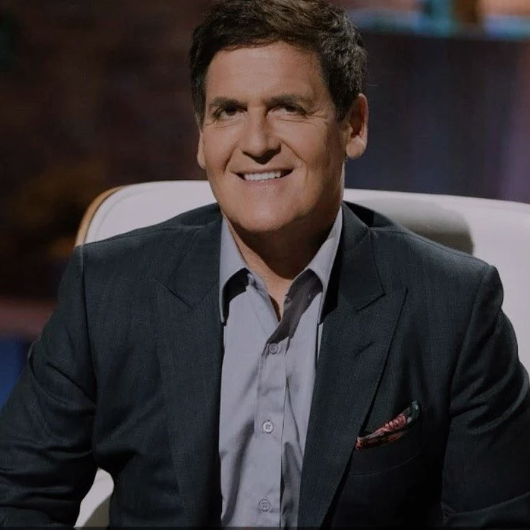
Mark Cuban is The Maverick Entrepreneur Changing Business and Beyond

Published

on

Mark Cuban's journey embodies the American entrepreneurial spirit

From selling garbage bags door-to-door as a child to becoming a billionaire tech pioneer and beloved “Shark,” Mark Cuban’s journey embodies the American entrepreneurial spirit. His straight-talking approach and business acumen have made him one of the most recognizable business figures of our time.

Early Life and Education

Born in Pittsburgh on July 31, 1958, to working-class parents, Cuban learned the value of hustle early. His grandfather, a Russian immigrant, sold merchandise from the back of his car—perhaps planting the entrepreneurial seed that would define Cuban’s future.

After graduating from Indiana University in 1981 with a degree in business, Cuban didn’t follow a traditional career path. Instead, he moved to Dallas with just $60 in his pocket, sleeping on the floor of a friend’s apartment while working as a bartender.

Building His Fortune

Cuban’s first major success came in 1990 when he sold his computer consulting firm, MicroSolutions, for $6 million. However, his true financial breakthrough arrived during the internet boom of the 1990s. Cuban and his business partner Todd Wagner founded Broadcast.com, an internet radio company that streamed audio of sports events and other content.

In 1999, Yahoo acquired Broadcast.com for $5.7 billion in stock—a deal that instantly made Cuban a billionaire and cemented his place in tech history.

The Dallas Mavericks Era

In 2000, Cuban purchased a majority stake in the NBA’s Dallas Mavericks for $285 million. Under his passionate and sometimes controversial leadership, the team transformed from a struggling franchise into NBA champions in 2011.

Unlike traditional team owners, Cuban sits courtside at games, openly criticizes referees, and maintains close relationships with players. His hands-on approach revolutionized NBA ownership culture and turned the Mavericks into a billion-dollar franchise.

Beyond Business: Media and Philanthropy

Cuban’s charismatic personality made him a natural fit for television. Since 2011, he has been a main investor on ABC’s “Shark Tank,” where his no-nonsense approach and investment savvy have helped launch numerous successful startups.

Behind the public persona lies a dedicated philanthropist. The Mark Cuban Foundation supports various causes, including entrepreneurship programs for at-risk youth and research into treating rare diseases. Following the COVID-19 pandemic, Cuban launched Cost Plus Drugs, aiming to dramatically reduce prescription medication prices for millions of Americans.

Looking Forward

Today, Cuban continues to disrupt industries through his forward-thinking investments in AI, cryptocurrency, and healthcare. Despite his billions, colleagues describe him as remarkably approachable and genuinely passionate about helping entrepreneurs succeed.

Cuban remains focused on making healthcare more affordable through Cost Plus Drugs and exploring new frontiers in digital technology. His commitment to transparency in business practices and creating opportunities for others forms the cornerstone of his ongoing legacy.

For aspiring entrepreneurs, Cuban’s advice remains consistent: follow your passion, outwork the competition, and always be learning. As he often says, “Work like there is someone working 24 hours a day to take it all away from you.”

Mark Cuban’s journey from selling garbage bags to building a multi-billion-dollar empire proves that with determination, innovation, and a willingness to challenge the status quo, extraordinary success is possible.

Continue Reading

Leaders

India Unveils ‘Saptadhara’ Reform Agenda Targeting Technology, Youth Skilling, and Growth

Published

on

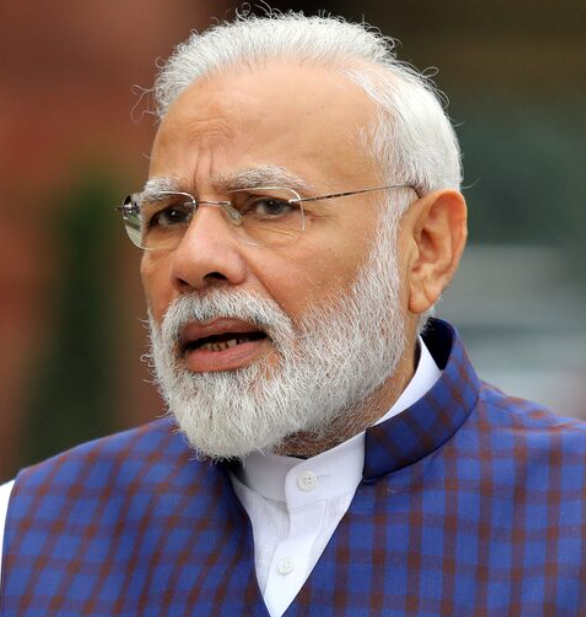
PM Modi's 'Saptadhara' EXPLAINED

Delivering a key national address from the ramparts of the Red Fort on India’s 80th Independence Day, Prime Minister Narendra Modi unveiled a comprehensive seven-point reform framework—termed ‘Saptadhara’ (Seven Streams of Strength). Drawing historical inspiration from the Sapta Sindhu (seven rivers), the strategic roadmap establishes an economic blueprint designed to accelerate industrial modernization, expand youth technological capabilities, and solidify the nation’s standing as a premier global hub for manufacturing, energy, and digital innovation.

The Saptadhara framework builds upon earlier structural initiatives like the Panch Pran (Five Pledges) to guide national policy over the next five to seven years. By aligning regulatory streamlining, targeted incentives, and deep-tech capital investments, the administration aims to transition India from a consumer market into a trusted, resilient global supplier across critical trade corridors.

The Seven Streams of National Modernization

The Saptadhara architecture categorizes national priorities into seven interconnected pillars:

  • 1. Manufacturing Power (End-to-End Value Chains): Prioritizes building complete domestic value chains—from initial product design and component fabrication to final assembly. Manufacturers are urged to compete on cost, quality, and global scale while adopting zero-defect precision standards.

  • 2. Agriculture & Food Processing (Farm-to-Export Expansion): Focuses on leveraging new Free Trade Agreements (FTAs) to take Indian produce, organic foods, millets, and spices to global markets. The initiative balances export promotion with domestic farmer protection against international fertilizer price shocks.

  • 3. Technology & Innovation (Deep Tech & Digital Public Goods): Targets leadership in frontier technologies including Artificial Intelligence (AI), quantum computing, space exploration, robotics, and semiconductor manufacturing. It expands Digital Public Infrastructure (DPI) globally and sets targets for Made-in-India 6G networks.

  • 4. Infrastructure Expansion via Gati Shakti: Emphasizes high-speed rail, port-led development, and seamless multimodal logistics to lower freight costs and accelerate trade transport between industrial clusters.

  • 5. Defence Self-Reliance (Raksha Shakti): Aims to transform the country from a major defence importer into an international supplier of advanced military hardware, concentrating on hypersonic systems, autonomous drones, counter-drone technologies, and cybersecurity.

  • 6. Green & Blue Economy Integration: Drives energy independence through capital investments in green hydrogen, floating offshore wind, battery storage, and civil nuclear power (targeting 100 GW nuclear capacity by 2047). Concurrently, it unlocks ocean resources through sustainable fisheries, coastal tourism, and marine technology.

  • 7. Soft Power & Creative Economies: Leverages cultural assets—including Yoga, Ayurveda, holistic wellness, creative arts, and digital gaming—to expand global diplomatic and commercial engagement.

Youth Mobilization and the Nationwide AI Skilling Mission

A cornerstone of the Saptadhara strategy is capitalizing on the nation’s favorable demographic dividend. Under the technology and innovation pillar, the administration launched a dedicated AI Youth Skilling Mission aiming to train 1 crore (10 million) young people in artificial intelligence.

To support this mandate, the national blueprint establishes specialized AI center-of-excellence hubs, expands vocational stipend programs, and integrates practical computer science and algorithmic logic into secondary and university curricula. Furthermore, a parallel expansion of semiconductor production plants—with several operational units exporting chips and additional fabs planned—aims to absorb skilled engineering talent directly into advanced hardware manufacturing roles.

Industrial Incentives, Defence Exports, and Infrastructure Integration

The Saptadhara agenda integrates existing Production-Linked Incentive (PLI) schemes with new regulatory frameworks to streamline industrial expansion. In the defence sector, domestic production reached ~$18.84 Billion  , alongside a surge in defence exports to $18.84 Billion USD. Approved military projects exceeding ~$92.60 Billion USD emphasize local sourcing for advanced radar, drone swarms, and supersonic platforms.

Simultaneously, logistics modernization under Gati Shakti coordinates industrial parks with deep-water seaports and high-speed rail freight networks, significantly reducing turnaround times for exporters and attracting international corporations seeking supply chain diversification.

Strategic Value for Corporate Leaders and Global Investors

  • Supply Chain Diversification: The push for zero-defect manufacturing and PLI expansion creates structured entry points for foreign direct investment (FDI) in electronics, pharmaceuticals, and automotive components.

  • Access to Deep-Tech Talent: The nationwide AI and semiconductor skilling programs provide international tech enterprises with a large pool of trained software and hardware engineers.

  • Energy and Green Technology Market Opportunities: Multi-billion dollar allocations for green hydrogen, energy storage, and nuclear energy offer lucrative joint-venture potential for global clean-tech investors.

Continue Reading

Leaders

Jackson Hole 2026: What the First Symposium Under Fed Chair Kevin Warsh Means for Markets

Published

on

Fed Chair Kevin Warsh

The Federal Reserve Bank of Kansas City’s annual Jackson Hole Economic Policy Symposium runs August 27-29, 2026, and this year’s gathering carries particular significance: it marks the first symposium under new Federal Reserve Chair Kevin Warsh, whose confirmation in May 2026 followed one of the most contentious Senate votes for a Fed chair nominee in the modern era.

A New Chair, an Unfamiliar Market Vocabulary

Warsh was confirmed by the Senate on a 54-45 vote on May 13, 2026 at a margin NPR described as the closest confirmation vote for a Fed chair in the modern era, split almost entirely along party lines except for Pennsylvania Democrat Senator John Fetterman, who crossed over to support the nomination.

Because Warsh has spoken publicly far less often than predecessors like Powell had by this point in their tenures, markets are still, in the words of a Tech Times analysis, “building their dictionary of what his phrases mean.” Every sentence of his keynote is expected to be parsed and traded within seconds of release.

The Official Theme vs. What Actually Moves Markets

This year’s symposium theme is “Financial Innovation: Implications for Payments and Policy,” focused on how developments in digital payments, central bank digital currencies, and financial technology are reshaping monetary transmission and regulatory frameworks, according to Finance Calendar’s event breakdown. Approximately 120 central bankers, policymakers, economists, and academics from more than 70 countries are expected to attend.

However, market commentary from Regards of Wall Street cautions against reading too much into the stated theme: “The theme constrains the papers, not the keynote, and chairs habitually use the slot to talk about whatever the moment requires.” Historically, Jackson Hole keynotes have been used to signal upcoming policy shifts regardless of the symposium’s nominal focus — Powell’s 2022 address, for instance, delivered a stark message about the “pain” required to tame inflation, and the S&P 500 fell roughly 3.4% that same day, while his 2024 speech opened the door to rate cuts and sent the Russell 2000 sharply higher.

Why This Year’s Backdrop Adds Extra Weight

Warsh’s first keynote arrives amid unusually elevated fiscal and market tension. The U.S. national debt crossed $40 trillion this month, Treasury bond markets have seen significant volatility, and the Treasury Department has doubled the size of its debt buyback program in response. Wilmington Trust’s Wil Stith described the dynamic as the Fed and Treasury “working in sort of opposite directions,” suggesting markets may look to Warsh for signals on how policy will respond to fiscal pressure.

Compounding the timing, Nvidia’s closely watched Q2 earnings report on August 26 lands just one day before the symposium begins.

What Warsh Has Signaled So Far

During confirmation, Warsh argued there was room to lower rates but pledged to use independent judgment rather than taking direction from the White House, per NPR’s coverage. He denied Senator Elizabeth Warren’s characterization that he would act as a “sock puppet” for the administration. President Trump has publicly expressed hope Warsh will pursue more aggressive cuts than his predecessor.

Notably, Powell remains on the Fed’s Board of Governors and retains a vote on the rate-setting committee — an unusual arrangement meaning the current FOMC includes both the outgoing and incoming chair simultaneously.

What to Watch

Investors, economists, and households affected by borrowing costs should watch for the exact timing and tone of Warsh’s Friday keynote, expected to draw the heaviest market attention of the three-day event. Any explicit commentary on the interaction between fiscal policy — particularly the growing federal debt — and the Fed’s rate path would be a significant signal, given how directly bond market conditions and mortgage rates have already been affected by fiscal concerns this month.

Continue Reading

Leaders

Modern Executive Leadership: Navigating Hybrid Work Dynamics and Outcome-Based Governance

Published

on

Chief Executive Officers and executive leadership teams are refining corporate workplace models around structured hybrid frameworks and outcome-based performance management. Moving past polarized debates regarding remote work, progressive corporate leaders are designing workplace environments that maximize organizational agility, talent retention, and collaborative innovation.

Moving to Performance-Driven, Outcome-Based Governance
Top corporate leaders have replaced rigid, presence-based management styles with clear, outcome-focused governance frameworks. Rather than evaluating employee contributions based on physical office attendance, modern management systems measure performance against clear Key Performance Indicators (KPIs), project deliverables, and team objectives.

Setting transparent performance expectations empowers employees to structure work schedules autonomously while holding teams strictly accountable for quality output and project timelines.

Designing Purpose-Driven Office Environments
Under structured hybrid workplace models, the physical corporate office serves a specific operational purpose. Executive teams are reconfiguring office real estate to prioritize collaborative project design, strategic planning sessions, team onboarding, and corporate culture building.

Autonomous, focused deep work is supported through flexible remote policies, allowing employees to optimize personal focus time. Modern office environments feature adaptable meeting spaces equipped with advanced telepresence technology, enabling seamless collaboration between remote and in-person team members.

Cultivating Executive Empathy and Authentic Communication
Leading organizations through rapid market shifts and technological changes requires clear, authentic executive communication. Successful CEOs prioritize transparent dialogue with workforce teams, holding regular virtual town halls and interactive feedback sessions.

During periods of operational adjustment or strategic restructuring, empathetic leadership builds organizational trust, maintains workforce morale, and keeps cross-functional teams focused on core corporate goals.

Executive Leadership Principles
1. Manage by Results: Transition performance evaluations from physical presence metrics to clear, objective business outcomes.
2. Optimize Physical Workspaces: Reconfigure corporate real estate to support collaborative strategy and team mentorship.
3. Communicate Transparently: Foster organizational resilience through authentic, continuous executive dialogue.

Continue Reading

Trending