
Accounting
Is a fraud pandemic around the corner?

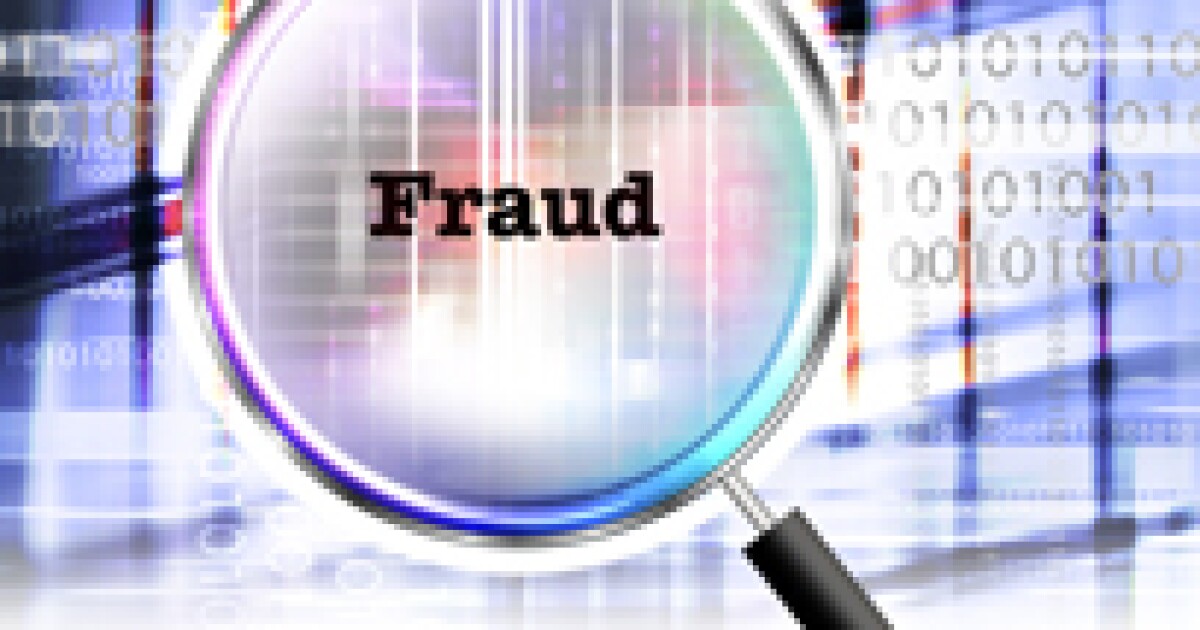

Cycles are nothing new in the world of white-collar enforcement, which often impact the perceived importance of corporate governance processes. However, as we say in my other home country, “plus ça change, moins ça change” (the more things change, the more they stay the same!)
Rules tighten in the aftermath of scandal or financial crisis, then loosen in the name of relaxing regulations that stifle innovation, economic growth or administrative priority shifts. Regulatory enforcement intensity waxes and wanes, but the importance of appropriate governance and controls remains critical to corporate well-being.
We now appear to be entering another familiar enforcement phase: a pullback in domestic focus, deeper scrutiny on specific areas, a lighter touch on corporate accountability and greater attention on foreign actors. While this is certainly not unprecedented, this environment raises important questions and challenges about corporate behavior, compliance resilience and the long-term risks of a less stringent enforcement environment.
Like a pandemic, fraud spreads silently at first — thriving in weak systems, exploiting human vulnerabilities and multiplying rapidly before anyone realizes the true scale of the contagion. Just as the Enron and WorldCom scandals
Where the risk may surface first
Certain sectors are especially vulnerable in this type of environment. As well as the more traditionally targeted industries, new areas like crypto and digital assets, which continue to develop ahead of clear regulatory frameworks, are particularly at risk. While high-profile prosecutions have taken place, certain new industry participants still operate in a regulatory gray zone, and investors lack many of the protections common in more mature financial markets.
Often overlooked, environmental claims also deserve attention. If enforcement around environmental disclosures and emissions standards weakens, it could create incentives for companies to exaggerate sustainability efforts or underreport risk. These actions often don’t attract immediate scrutiny — but they can lead to significant liability down the line.
Opportunity: The return of the light-touch era?
Recent developments suggest a clear change in tone from federal regulators. Penalties are being moderated in some cases, deferred prosecution agreements seem to have less teeth, and monitoring remedies may be refocused. While enforcement has not disappeared — nor is it likely to — its domestic focus appears to be narrowing. At the same time, there’s greater emphasis on foreign companies and overseas corruption and there are signals that
For today’s financial and compliance leaders — many of whom may not have been in senior roles during prior enforcement waves — this could seem like a reprieve. But it may also create blind spots. When rules seem less urgent or enforcement risk feels more distant, some organizations deprioritize the very controls and practices that help them navigate.
The past reminds us that such lulls can create fertile ground for misconduct, especially if companies start to believe that scrutiny is less likely, or consequences will be delayed.
Here’s a simple equation: Economic Pressure + Relaxed Oversight = Increased Fraud Risk.
At the same time, macroeconomic signals point to uncertainty. If economic headwinds intensify — especially with recessionary concerns, uncertainty around tariffs, extended and disrupted supply chains leading to margin compression — companies may feel increasing pressure to meet or maintain performance expectations. In such a climate, the line between aggressive accounting and earnings manipulation can start to blur and the need to gain market share may lead to bribes, among other malfeasance.
Misconduct in these environments rarely becomes visible right away. It builds quietly over time, often uncovered only years later during internal audits, in the aftermath of bankruptcies when performance was stretched to the breaking point, in the case of restatements, or as a result of a whistleblower. The risk may not be immediately visible — but it is cumulative and real.
The guardrails that remain
That said, several key safeguards are still intact — offering a measure of counterbalance even as federal enforcement evolves:
- International enforcement continues to expand. Regulators abroad are increasingly assertive, particularly in Europe and Asia. U.S.-based companies operating globally are still subject to foreign anti-corruption laws and cross-border cooperation among authorities is increasing.
- Domestically, state attorney generals can fill some of the gaps.
Many AGs have a long history of stepping in — particularly in areas like health care fraud, consumer protection and investor rights. But these offices may lack the scale, budget and investigative horsepower of federal agencies. - Federal action continues in targeted areas. Enforcement efforts remain active in sectors like health care, particularly in cases involving government reimbursement fraud or improper billing practices. These cases suggest that federal oversight has not disappeared — just narrowed in focus.
- Auditing standards are as demanding as ever. Despite other regulatory changes, public company auditors remain under pressure to detect fraud and report weaknesses. Regulatory expectations in this area have not been relaxed, and auditors are increasingly expected to identify red flags in financial statements.
- Private litigation remains a meaningful deterrent. Shareholder lawsuits and class actions continue to hold companies accountable when disclosures fall short or risks are misrepresented. This legal pressure — driven by investors and plaintiffs’ attorneys rather than government — operates independently of political cycles.
- Whistleblowers are still protected and can be highly incentivized. Tipsters have played a key role in uncovering many recent frauds, and protections for whistleblowers remain strong. In a lower-enforcement climate, their role becomes even more important.
Compliance programs: Relevance beyond enforcement
Many organizations have made real strides in strengthening internal compliance programs over the past decade — driven by regulatory pressure, investor expectations and reputational concerns. Even in a less stringent enforcement environment, these investments remain vital.
First, reputational risk and public accountability haven’t faded. In fact, social media and stakeholder activism make it easier than ever for ethical lapses to attract attention — even without government involvement.
Second, mergers and acquisitions continue to present risk. Acquiring entities are often held responsible for inherited compliance failures. Robust internal controls, due diligence and risk assessments are essential for identifying hidden liabilities before they become public problems.
Finally, even in the absence of immediate enforcement, forward-thinking organizations understand that compliance isn’t just about staying out of trouble. It’s about building sustainable operations, maintaining trust with stakeholders, establishing a reputation of integrity and anticipating risk — not reacting to it.
A moment to be proactive
As enforcement priorities shift, the temptation to loosen internal controls or scale back compliance efforts and investments may be tempting. But this moment is not one for complacency. If history is any guide (and it usually is), misconduct that begins under light scrutiny tends to end under a more intense spotlight — often years later.
Strong compliance programs can stop the spread of fraud before it takes hold, building organizational immunity through vigilance, accountability and early detection. This is a time to take stock:
- Are controls over financial reporting keeping pace with business complexity and the evolving new risks created by change in policies, and geopolitical uncertainty identified?
- Are new risks — especially in fast-evolving unregulated sectors — being properly identified, assessed and mitigated?
- Are compliance programs appropriately resourced and empowered to act?
These are the questions worth asking now, before risk has a chance to compound.
The enforcement cycle may be reprioritized, but risk itself hasn’t gone anywhere. Economic pressures, evolving industries and shifting regulatory priorities all create new vulnerabilities. And while some external guardrails remain in place, they are no substitute for proactive, internal risk management.
Those who treat this moment as a time to reinforce — rather than retreat from — strong compliance will be better positioned to navigate whatever comes next. Because while enforcement climates may rise and fall, the consequences of ethical failure are always significant, often lasting — and sometimes, fatal.





Nvidia Q2 FY2027 Earnings beats Wall Street Expectation with Record $96.2 Billion Revenue

Treasury Bond Volatility Forces Bessent to Double Debt Buyback Size as Yields Swing

Nvidia Earnings Preview: What Wall Street Expects From the AI Bellwether’s Q2 Report

Armanino adds Strategic Accounting Outsourced Solutions

New 2023 K-1 instructions stir the CAMT pot for partnerships and corporations

Tax Strategy: Employee Retention Credit update
-

 Economics1 week ago
Nvidia’s Potential $3 Billion SB Energy Investment Could Reshape AI Infrastructure
-

 Economics4 days ago
Top 10 Largest Economies by 2030: IMF & World Bank GDP Projections for Global Powerhouses
-

 Stock News4 days ago
How to understand Intel $15B Stock Offering
-

 Technology1 week ago
U.S.-China AI Competition Intensifies as Washington Pushes Allies to Choose Sides
-
 Stock News1 day ago
Nvidia Earnings Preview: What Wall Street Expects From the AI Bellwether’s Q2 Report
-
 Economics4 days ago
Economic Profile of the United States of America (2026–2030 Horizon)
-
 Leaders3 days ago
Jackson Hole 2026: What the First Symposium Under Fed Chair Kevin Warsh Means for Markets
-

 Economics3 days ago
U.S. National Debt Surpasses $40 Trillion for the First Time: What It Means for the Economy