Connect with us

Personal Finance

Emergency funds are a ‘security blanket’ for 401(k) savings: Vanguard

Published

on

Ingwervanille | Moment | Getty Images

Setting aside money in a rainy-day fund can bolster households’ retirement prospects down the road, especially for hourly workers with inconsistent income streams, experts said.

Emergency funds are a “security blanket,” said Fiona Greig, global head of investor research and policy at Vanguard Group, an asset manager.

That’s because they offer a cash buffer for people who might otherwise raid their 401(k) accounts to pay for unforeseen expenses in the short term, she said.

401(k) investors with at least $2,000 of emergency savings are less likely than those without rainy-day funds to tap their retirement plans early, according to new Vanguard research.
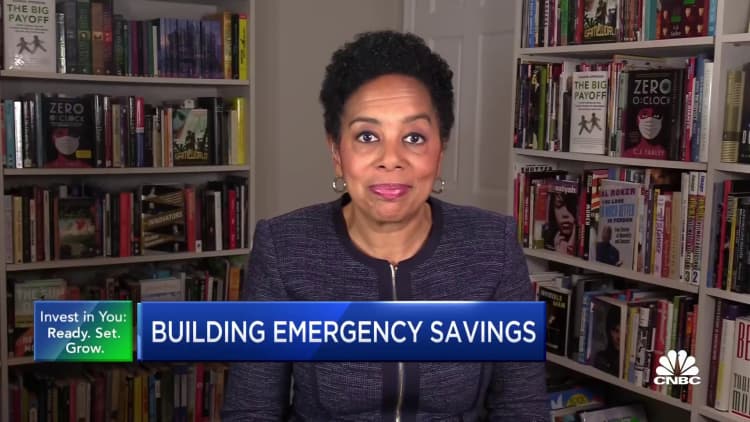
How to build emergency savings

Specifically, they are 19 percentage points less likely to take a 401(k) loan and 17 points less likely to withdraw 401(k) funds for a financial hardship, Vanguard found.

Leaving a job is another trigger that allows workers to access their 401(k) savings before retirement age. Job-switchers who have emergency funds are 43 percentage points less likely to cash out their 401(k) accounts than those without, according to Vanguard.

“Emergency savings protect retirement savings,” Greig said.

Retirement savers with emergency funds also save a greater share of their incomes — 2.2 percentage points more — in a 401(k) relative to those without them, Vanguard found.  

401(k) ‘leakage’ is a large concern

Riska | E+ | Getty Images

Policymakers view so-called “leakage” from 401(k) plans — especially cash-outs — as a big impediment to retirement security.

Withdrawing 401(k) assets early generally comes with tax penalties and shortchanges investors, who forgo years of investment earnings on withdrawn funds, experts said.

There would be roughly $2 trillion of additional savings in 401(k) plans over a 40-year period if workers didn’t prematurely cash out their accounts, the Employee Benefit Research Institute estimated in a 2019 paper.

More from Personal Finance:
Senate introduces bill for tariff rebate checks after Trump suggestion
What Fed interest rate move means for your debt
Even many high-earning Americans don’t feel wealthy

Leakage is an especially large concern for hourly workers, Vanguard’s Greig said.

Hourly workers are less likely to have emergency funds and more likely than salaried employees to tap their 401(k) savings early, Greig said.

(That’s not just because hourly workers also tend to be lower earners, she said. The trend persists even when comparing hourly and salaried workers with similar incomes, according to Vanguard’s research.)

Hourly workers have more volatile incomes, Greig said. Without an emergency buffer, they may need to tap their 401(k) if cash flow decreases unexpectedly, she said.

How to build an emergency fund

Ideally, households would set aside enough money to cover three to six months of expenses (like a mortgage and groceries) in an emergency fund, said Carolyn McClanahan, a certified financial planner based in Jacksonville, Florida, and a member of CNBC’s Financial Advisor Council.

However, for households barely making enough to make ends meet, anything helps, McClanahan said.

Financial planners generally recommend stashing an emergency fund in a conservative, liquid account like a high-yield savings account or money market fund, which earn more interest than a traditional bank checking account.

Cash-strapped savers can start by diverting as little as perhaps $10 to $25 per paycheck into an emergency fund, McClanahan said.

“Let it grow and before you know it that money will be worth something,” she said.

Workers should automate the savings, either by asking their employer to send a certain amount to their designated emergency account each pay period or by setting up an automatic transfer from their bank account, McClanahan said.

Workers should also strive to save at least half of any financial windfall like a bonus or tax refund, she said.

Continue Reading

Personal Finance

Navigating Residential Real Estate and Mortgage Strategy

Published

on

The 2026 residential real estate market presents a nuanced landscape for homebuyers, current homeowners, and property investors. With benchmark mortgage rates adjusting alongside Treasury yield movements, real estate strategies require careful evaluation of borrowing costs, local market supply dynamics, and long-term home equity management.

Adapting Homebuying Strategies to Mortgage Dynamics
Prospective homebuyers are adapting to fixed 30-year mortgage rates hovering between 6.0% and 6.8%. While borrowing costs are elevated compared to historical lows seen in prior decades, moderating home price growth across several regional markets is creating selective opportunities for buyers with strong credit profiles.

Homebuyers are increasingly utilizing strategic mortgage options:
– Builder Rate Buydowns: Purchasing new construction homes where developers offer temporary or permanent interest rate buydowns to lower initial monthly payments.
– Adjustable-Rate Mortgages (ARMs): Selecting 5/1 or 7/1 hybrid ARMs with strict rate caps for short-to-medium-term housing plans.
– Points and Financing Structure: Evaluating upfront discount point purchases to secure lower fixed interest rates over the loan term.

Home Equity Utilization and Renovation Financing
For existing homeowners holding low-rate legacy mortgages, moving to a new property often entails relinquishing favorable debt terms. Consequently, many homeowners are choosing to renovate and expand existing properties rather than sell.

Home Equity Lines of Credit (HELOCs) and home equity loans allow homeowners to access accumulated property equity for capital improvements without disturbing their primary mortgage rate. Utilizing home equity for value-adding property renovations can enhance living space while increasing long-term property values.

Strategic Real Estate Investment Guidelines
For residential property investors, achieving positive cash flow requires strict underwriting standards:
– Stress-Test Operating Expenses: Factor in rising property insurance premiums, local property taxes, and ongoing maintenance reserves.
– Focus on High-Growth Rental Markets: Target regions experiencing steady job growth and sustained tenant demand.
– Maintain Cash Buffers: Ensure property portfolios maintain dedicated emergency reserves to navigate unexpected vacancy periods or major repairs.

Actionable Homeownership Steps
1. Evaluate Complete Monthly Housing Costs: Assess property taxes, homeowners insurance, and HOA fees alongside principal and interest.
2. Leverage Renovation Equity Carefully: Utilize equity loans strategically for renovations that generate long-term property value.
3. Prioritize Credit Score Optimization: Secure top-tier credit scores prior to mortgage pre-approval to qualify for competitive lender pricing tiers.

Continue Reading

Personal Finance

$20,000 Caution Bond Requirement for US Visa Applications imposed on 50 Countries

Published

on

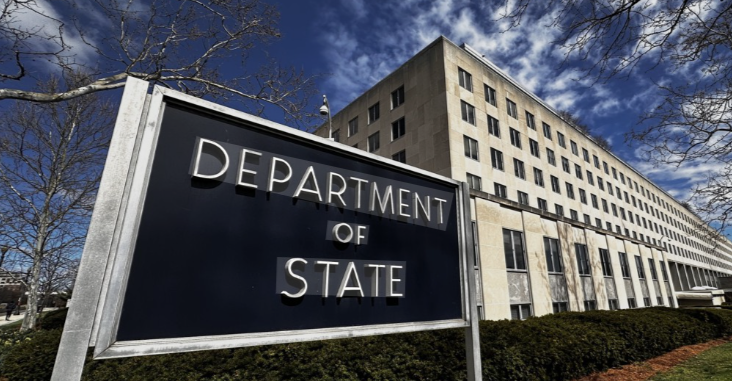
The United States Department of State has officially implemented a revised visa policy introducing a mandatory posting requirement for caution payments of up to $20,000 on select foreign travel applications. Under the updated regulatory framework, consular officials are authorized to require temporary nonimmigrant visa applicants from targeted foreign countries to post a refundable financial bond of $20,000 as a condition for visa issuance. The policy mechanism is designed to address diplomatic concerns regarding high overstay rates among temporary visitor, business, and educational visa categories.

The caution bond pilot program applies selectively to foreign nationals from designated countries whose diplomatic entities record historical visa overstay rates exceeding established federal thresholds. Under administrative guidelines published by the State Department, the full financial deposit is posted directly to a dedicated federal escrow account prior to final visa issuance. The entire caution payment is automatically refunded to the applicant upon verified proof of timely departure from the United States in strict compliance with the authorized duration of stay. Conversely, failure to depart within the legal timeframe results in full forfeiture of the posted financial bond to the United States government.

Diplomatic representatives and travel policy experts have expressed varying perspectives regarding the operational implementation of the caution bond system. Administration officials emphasize that the measure serves as an effective, market-based incentive to enforce international travel compliance and preserve domestic immigration security standards. However, international trade organizations and foreign diplomatic missions have raised concerns regarding the financial burden imposed on legitimate business travelers, foreign students, and commercial partners from developing nations.

The United States finalized the rule to make the temporary visa bond program permanent, taking effect on August 3, 2026. The updated permanent regulation replaces the prior 12-month pilot, eliminates the lowest $5,000 tier, and raises the maximum required bond amount to $20,000 for specific B-1/B-2 business and tourist visa applicants.

Here is the list of the 50 countries on the list as o August 3, 2026

African Nations (31 Countries)

  • Algeria
  • Angola
  • Benin
  • Botswana
  • Burundi
  • Cabo Verde (Cape Verde)
  • Central African Republic
  • Côte d’Ivoire (Ivory Coast)
  • Djibouti
  • Ethiopia
  • Gabon
  • The Gambia
  • Ghana
  • Guinea
  • Guinea-Bissau
  • Lesotho
  • Malawi
  • Mauritania
  • Mauritius
  • Mozambique
  • Namibia
  • Nigeria
  • São Tomé and Príncipe
  • Senegal
  • Seychelles
  • Tanzania
  • Togo
  • Tunisia
  • Uganda
  • Zambia
  • Zimbabwe

Asian & Eastern European Nations (11 Countries)

  • Bangladesh
  • Bhutan
  • Cambodia
  • Georgia
  • Kyrgyzstan
  • Mongolia
  • Nepal
  • Papua New Guinea
  • Tajikistan
  • Turkmenistan
  • Uzbekistan

Caribbean & Latin American Nations (5 Countries)

  • Antigua and Barbuda
  • Cuba
  • Dominica
  • Grenada
  • Venezuela

Oceanian Nations (3 Countries)

  • Fiji
  • Tonga
  • Vanuatu

Continue Reading

Personal Finance

Next-Generation Retirement Planning: Managing Longevity Risk and Variable Income Streams

Published

on

Retirement planning strategies are evolving in 2026 to address increased life expectancies, shifting dynamic market conditions, and the transition away from traditional defined-benefit pensions. Individual investors and financial advisors are abandoning rigid retirement models in favor of flexible, multi-asset strategies designed to mitigate longevity risk and preserve purchasing power over multi-decade retirement horizons.

Mitigating Longevity Risk with Dynamic Asset Allocation
As average life expectancies extend past eighty-five years, one of the primary financial risks facing retirees is outliving their accumulated wealth. Traditional fixed income allocations—such as the standard 60/40 equity-to-bond portfolio—are being reevaluated to ensure portfolios generate sufficient capital growth alongside reliable income.

Financial planners recommend maintaining a meaningful equity allocation throughout retirement to offset long-term inflation erosion. High-dividend equity funds, global real estate investment trusts (REITs), and inflation-indexed Treasuries are combined to create diversified portfolios that deliver both growth and income stability.

The Transition to Dynamic Withdrawal Strategies
The classic “4% safe withdrawal rule” is increasingly replaced by dynamic withdrawal strategies that adapt annually based on market performance. Under a dynamic withdrawal framework, retirees adjust their annual distribution rates within pre-set caps and floors:
– Market Upside: During strong market returns, retirees can increase discretionary spending or fund family legacy gifts.
– Market Downturns: During market pullbacks, spending distributions are temporarily reduced to prevent sequence-of-returns risk and preserve core investment principal.

Guaranteed Lifetime Income Options and Deferred Annuities
To establish a guaranteed baseline for essential living expenses, individuals are incorporating modern fixed-indexed and deferred longevity annuities into their broader retirement architectures. Modern annuity structures offer competitive return caps, transparent fee schedules, and inflation-adjustment options.

By funding essential expenses—such as housing, healthcare, and insurance—with guaranteed income streams from Social Security, pensions, and annuities, retirees can manage discretionary investment portfolios with greater flexibility and lower emotional stress during market volatility.

Actionable Steps for Future Retirees
1. Calculate Baseline Retirement Expenses: Determine fixed living costs and map guaranteed income sources to cover essential expenditures.
2. Adopt Flexible Withdrawal Rules: Implement dynamic spending rules to protect investment principal against market downturns.
3. Incorporate Inflation-Protected Assets: Maintain exposure to dividend-growing equities and inflation-indexed bonds to safeguard long-term purchasing power.

Continue Reading

Trending