
Finance
California’s homeowners insurance industry faces rough road ahead as wildfires continue

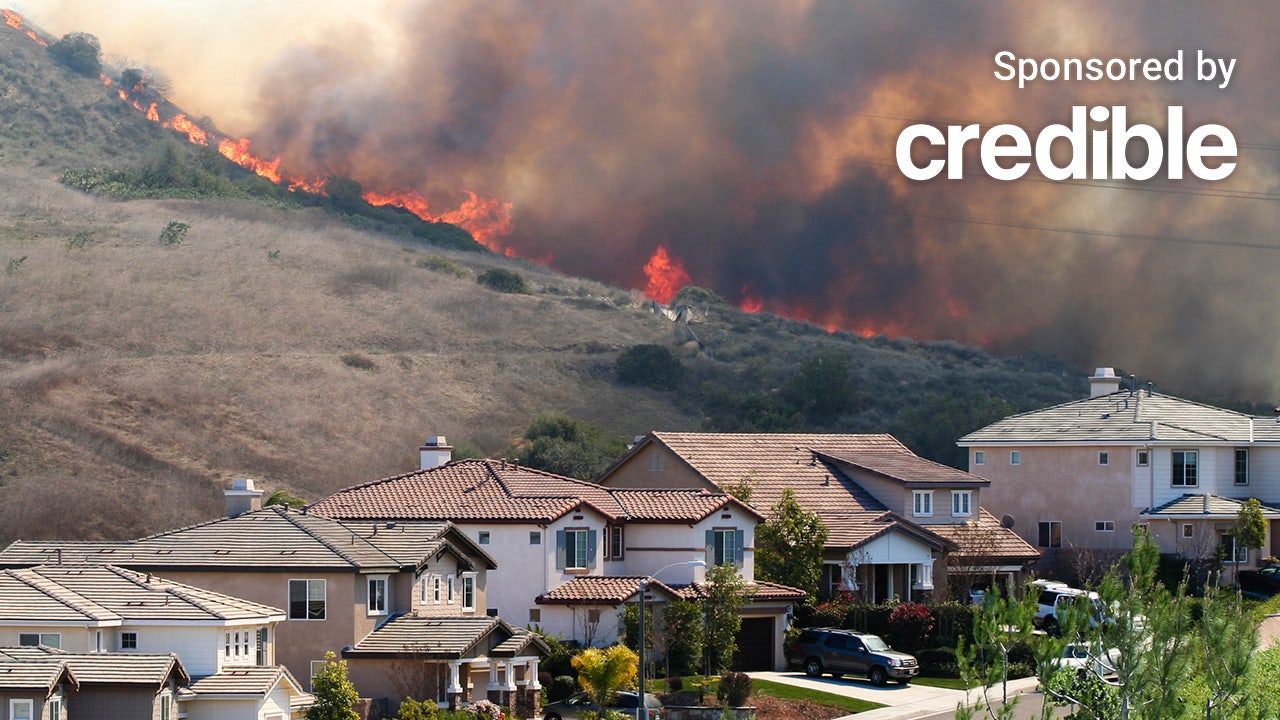
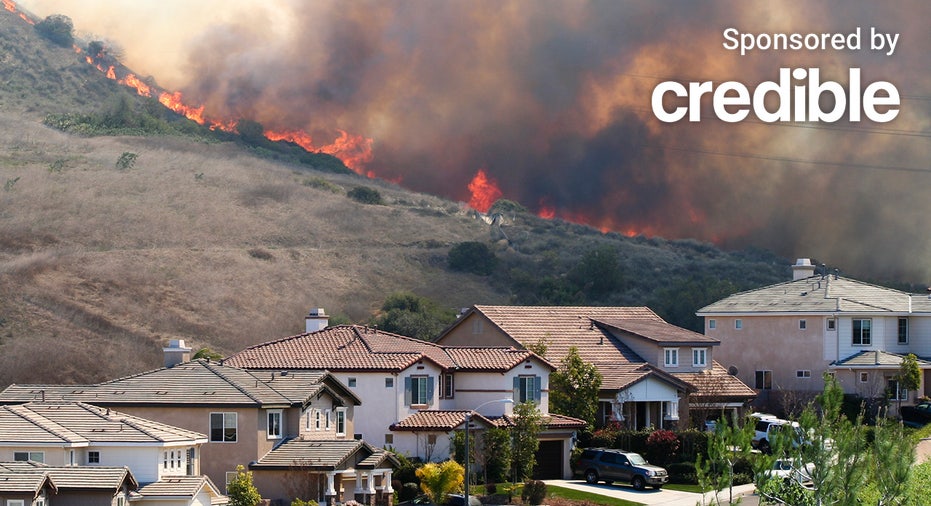
The wildfires in California have led to an unprecedented insurance crisis. (iStock )
The California wildfires have brought widespread disaster to communities in Southern California. It’s also contributed to a serious insurance crisis happening in the state. Many insurers have pulled out of the state or have paused coverage.
AIG left the state in 2022, while Chubb and Allstate limited their coverage options in the last few years. An even larger blow, State Farm pulled their 72,000 policies in 2024.
“It often takes [admitted carriers] a long time to adjust, so their only options are to try to turn things around or gradually pull out, which is where the E&S market steps in,” Christopher Hatt, managing director of Lloyd’s facilities and US personal lines at Novatae Risk Group said.
California’s FAIR Plan, a last-resort insurer, faces uncertainty as well, adding to the significant insurance challenges the state is currently facing. The FAIR Plan distributes losses among the state’s insurers, based on market share.
The claims expected to come due to the wildfires are simply beyond insurers’ capacity. Property and casualty companies are expected to pay billions of dollars in claims due to the damage done by the wildfires.
Back in 2018, the Camp Fire cost $10 billion, the Woolsey Fire caused $4.2 billion in back. The Los Angeles fires will likely cost more than both fires, coming in as one of the most expensive wildfires to date.
If you need a new insurer, head to Credible to get a better understanding of the different types of home insurance coverage available to you. You can get quotes for free from Credible’s partners.
FLORIDA’S STATE-CREATED PROPERTY INSURANCE COMPANY VOTED TO RAISE HOMEOWNERS INSURANCE RATES BY 14%
Homeowners insurance costs expected to rise in and out of wildfire-prone areas
Homeowners insurance across the country is still rising, and 2025 isn’t expected to be any better for homeowners. Premiums may climb by as much as 15%, on average, with states like California seeing even higher hikes due to more frequent natural disasters plaguing the area.
Insurers are passing their significant losses off to homeowners. In the first half of 2024, insurer losses hit $62 billion. Losses are expected to be even greater this year, which means higher premiums for homeowners as insurers attempt to recover.
Specialty insurance, like wind and flood insurance, is expected to be even more expensive in the coming year. Rate hikes of 20% or more are predicted due to updated FEMA flood maps and a significant rise in natural disasters.
Homeowners are concerned about what these rate hikes will mean for their bottom lines. With housing prices still up and homeowners insurance costs due to rise, the housing market is growing more and more expensive. Two-in-three insured homeowners blame weather-related events for their increased insurance premiums, according to Fannie Mae.
In an attempt to address the insurance crisis, California Insurance Commissioner, Ricardo Lara, has announced his Sustainable Insurance Strategy. This regulation aims to stabilize the insurance market in California while simultaneously addressing the growing risks of wildfires. Under the plan, insurance providers would increase coverage in high-risk areas, ensuring all Californians get the insurance they need.
“Californians deserve a reliable insurance market that doesn’t retreat from communities most vulnerable to wildfires and climate change,” said Commissioner Lara. “This is a historic moment for California. My Sustainable Insurance Strategy is focused on addressing the challenges we face today and building a resilient insurance market for the future. With input from thousands of residents throughout California, this reform balances protecting consumers with the need to strengthen our market against climate risks.”
Lara’s plans have been met with some criticism, however. Consumer Watchdog, a California-based advocacy group, has pointed out that these new rules will likely mean substantial rate hikes, up to 50%.
Having enough insurance is vital. Having the appropriate insurance coverage is just as important. To ensure your insurance is suitable for your circumstances, visit Credible to check out plans, providers and costs.
80% OF AMERICANS ARE DEALING WITH A COST OF LIVING CREEP
Relief options for those impacted by the California wildfires
There are a variety of relief options for anyone who has been impacted by the wildfires in California. Freddie Mac and Fannie Mae have forbearance programs that give homeowners mortgage relief up to 12 months without incurring late fees or penalties.
“The number one priority for those affected by the destruction of these ongoing wildfires is to reach safety,” Mike Reynolds, Freddie Mac’s single-family vice president and head of servicing, said. “Once out of harm’s way, we encourage homeowners in these affected areas to contact their mortgage servicer to learn about relief options. Freddie Mac and our partners stand ready to provide immediate assistance and aid in the recovery of families and individuals.”
Freddie Mac and Fannie Mae relief options are available to any homeowner with Freddie Mac or Fannie Mae mortgages who have been impacted by an eligible disaster. Foreclosures and other legal proceedings are also subject to a 12-month forbearance.
Other federal funding is also available now that President Biden has issued a major disaster declaration in California. There’s a 90-day moratorium on foreclosures insured by the Federal Housing Administration (FHA).
Anyone who had their home destroyed in the fires may qualify for HUD’s section 203(h) program that provides FHA insurance to disaster victims. HUD housing counselors are also available to assist anyone impacted. Find a HUD-approved housing counseling agency online or use our telephone look-up tool by calling (800) 569-4287.
Comparing multiple insurance quotes can potentially save you hundreds of dollars per year. And, it’s so easy to get a free quote in minutes through Credible’s partners here.
THE FEDERAL RESERVE ANNOUNCED A THIRD RATE CUT; FEWER ARE EXPECTED IN 2025
Have a finance-related question, but don’t know who to ask? Email The Credible Money Expert at [email protected] and your question might be answered by Credible in our Money Expert column.





Nvidia Q2 FY2027 Earnings beats Wall Street Expectation with Record $96.2 Billion Revenue

Treasury Bond Volatility Forces Bessent to Double Debt Buyback Size as Yields Swing

Nvidia Earnings Preview: What Wall Street Expects From the AI Bellwether’s Q2 Report

Armanino adds Strategic Accounting Outsourced Solutions

New 2023 K-1 instructions stir the CAMT pot for partnerships and corporations

Tax Strategy: Employee Retention Credit update
-

 Economics1 week ago
Nvidia’s Potential $3 Billion SB Energy Investment Could Reshape AI Infrastructure
-

 Economics4 days ago
Top 10 Largest Economies by 2030: IMF & World Bank GDP Projections for Global Powerhouses
-

 Stock News4 days ago
How to understand Intel $15B Stock Offering
-

 Technology1 week ago
U.S.-China AI Competition Intensifies as Washington Pushes Allies to Choose Sides
-
 Stock News1 day ago
Nvidia Earnings Preview: What Wall Street Expects From the AI Bellwether’s Q2 Report
-
 Economics4 days ago
Economic Profile of the United States of America (2026–2030 Horizon)
-
 Leaders3 days ago
Jackson Hole 2026: What the First Symposium Under Fed Chair Kevin Warsh Means for Markets
-

 Economics3 days ago
U.S. National Debt Surpasses $40 Trillion for the First Time: What It Means for the Economy