
Finance
Gas prices too high, Americans want to spend 37% less: study

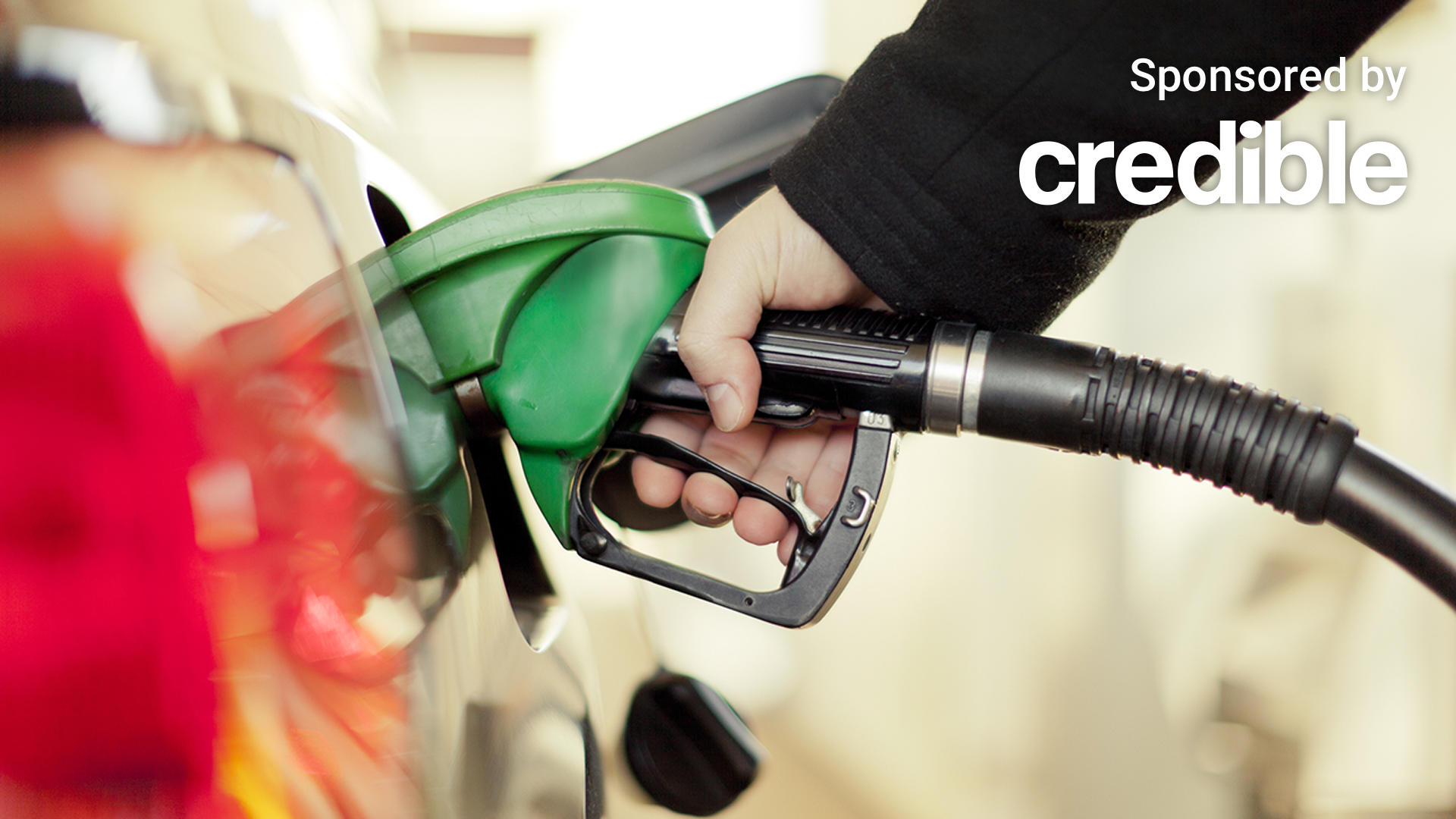
Gas prices have cooled, but Americans still feel they are spending too much on fuel, a recent study said. (iStock)
Americans are spending roughly 3% of their income fueling their cars even as gas price inflation cools, a recent study said.
That expense breaks down to roughly $1,712 annually and is about 37% more than what Americans believe they should be paying for gas, the American Trucks study said. According to the study, gas costs have pushed some Americans to reconsider travel despite the favorable forecast for summer prices.
The national average price for fuel for most of this summer is forecasted to remain in the mid-$3 per gallon range, with potentially tens of thousands of stations falling below $3 per gallon throughout the next several months, according to a GasBuddy forecast. Notwithstanding the break they are getting at the pump, 23% of Americans still plan to hold back on summer travel and road trips due to gas prices, and millennials are the most likely to curtail their travel plans.
If you are looking to save money on your car costs, you could consider changing your auto insurance provider to get a lower monthly rate. You can visit Credible to shop around and find your personalized premium without affecting your credit score.
BIDEN WANTS TO GIVE HOMEBUYERS $400 PER MONTH: STATE OF THE UNION
Ways to save on fueling your car
If you plan to hit the road this summer, you can lower what you spend on fueling your car by following these tips:
Shop prices before pumping
Forty-six percent of drivers said high gas costs have impacted their itineraries this year. Drivers could save money by planning on where to buy it, according to the GasBuddy survey. Using an app that displays gas prices can help you save 10 to 50 cents per gallon over just a few blocks.
Avoid filling up at state lines
Drivers could be paying as much as an extra $1 a gallon if they are filling up at stations near certain state lines, according to a GasBuddy report. Gas prices between states vary because of state taxes, proximity to oil refineries and resulting transportation costs. The top five most expensive bordering states to fill up are Arizona/California, Idaho/Washington, Idaho/Oregon, Nevada/California, and Oklahoma/Colorado borders.
Consider how you pay
Some gas stations offer discounts when customers pay with cash. Drivers could also save money by joining loyalty programs to receive promotional savings.
If you are shopping around for new auto insurance, you can use the Credible marketplace to compare multiple providers and find your personalized rate in minutes.
HOMEBUYERS GAINED THOUSANDS OF DOLLARS AS MORTGAGE INTEREST RATES FALL: REDFIN
Car insurance rates continue to rise
Drivers paid an average of $1,841 to insure a car in 2023, or 5% more than they did the previous year, according to a recent report from the Zebra. That comes after a 15% jump between 2022 and 2023. Unfortunately, 2024 is likely to bring more of the same.
Where you live can significantly impact how much you pay for insurance. For example, states more affected by climate-related disasters have seen a higher incidence of insurance providers pulling out or writing new policies, leaving buyers with fewer options for insurance shopping.
The make and model of a vehicle have also greatly impacted car insurance costs. Drivers of Kia and Hyundai cars have had difficulty insuring these vehicles because certain models are more prone to theft.
Florida and Louisiana top the list of states with the highest annual premiums. Drivers here pay an average premium of more than $2,700 per year. That’s 47% more than the national average. Drivers in Vermont and Idaho pay the least, with annual premiums registering 35% below the national average. Drivers in 19 states now spend an average of more than $2,000 a year in auto insurance premiums.
Are you shopping around for new auto insurance? The Credible marketplace can help you compare multiple providers and find your personalized rate in minutes without affecting your credit score.
HIGH HOMEOWNERS INSURANCE RATES SCARING AWAY FLORIDA HOMEBUYERS, OTHER STATES FACE THE SAME ISSUE
Have a finance-related question, but don’t know who to ask? Email The Credible Money Expert at [email protected] and your question might be answered by Credible in our Money Expert column.




S&P 500 Outperforms Amid Strong Corporate Earnings as Treasury Yields Cap Equity Multiples

Climate Resilience and Offshore Wind and Land Restoration Milestones

Mandatory ESG Reporting Standards Demand Standardized Non-Financial Audit Trails

Armanino adds Strategic Accounting Outsourced Solutions

New 2023 K-1 instructions stir the CAMT pot for partnerships and corporations

Tax Strategy: Employee Retention Credit update
-

 Stock News1 week ago
Nvidia Q2 FY2027 Earnings beats Wall Street Expectation with Record $96.2 Billion Revenue
-

 Technology6 days ago
AI Infrastructure Boom Hits Physical Limits: Power, Financing, and Supply Chain Strain
-

 Economics4 days ago
U.S.- Canada Trade Talks Collapse; Carney Says Retaliatory Tariffs Begin September 8
-

 Technology4 days ago
Flock Cameras and the Future of Public Security
-
 Insights42 minutes ago
Climate Resilience and Offshore Wind and Land Restoration Milestones
-
 Accounting42 minutes ago
Mandatory ESG Reporting Standards Demand Standardized Non-Financial Audit Trails
-
 Finance16 minutes ago
S&P 500 Outperforms Amid Strong Corporate Earnings as Treasury Yields Cap Equity Multiples