
Personal Finance
Here’s what that means for you

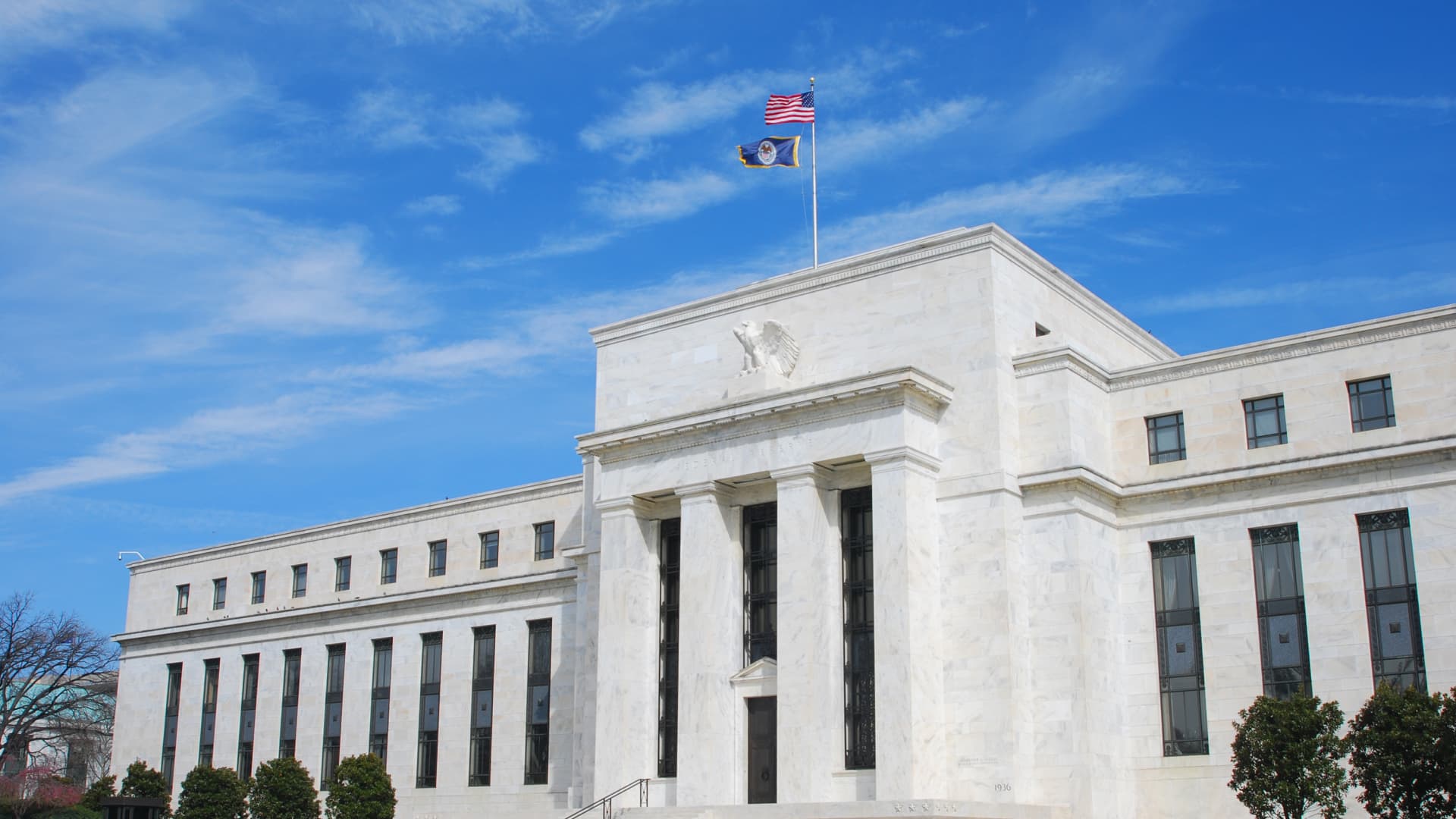
The Federal Reserve announced Wednesday it will lower its benchmark rate by a quarter point, paving the way for relief from some of the high borrowing costs that have weighed on consumers.
The federal funds rate, which is set by the Federal Open Market Committee, is the interest rate at which banks borrow and lend to one another overnight. Although that’s not the rate consumers pay, the central bank’s moves still affect the borrowing and savings rates they see every day.
“The impact on household finances is likely to be mixed,” said Brett House, economics professor at Columbia Business School.
“For households with variable-rate loans or other forms of credit obligations, they are going to see the interest rates on that borrowing come down, almost immediately,” he said. But some longer-term fixed rates remain stubbornly higher than they were a year ago, he added, and many Americans must still contend with lingering inflation, which is driving the cost of goods up.
From credit cards and mortgage rates to auto loans and savings accounts, here’s a look at all of the ways a Fed rate cut could affect your wallet in the months ahead.
Credit cards
Since most credit cards have a variable rate, there’s a direct connection to the Fed’s benchmark.
With a rate cut, the prime rate lowers, too, and the interest rate on your credit card debt is likely to follow. But even then, APRs will only ease off extremely high levels.
Asiavision | E+ | Getty Images
“Existing borrowers could see their rates go down by half a point or so — maybe a little more — by early 2026,” said Ted Rossman, senior industry analyst at Bankrate.
Still, the average credit card rate is currently more than 20%, according to Bankrate — near an all-time high, so APRs will remain close to 20% at least into next year, Rossman said.
Mortgage rates
Mortgage rates don’t directly track the Fed, but are largely tied to Treasury yields and the economy. Rates are already significantly lower than where they were earlier this year.
Now, the average rate for a 30-year, fixed-rate mortgage is 6.13% as of Tuesday, according to Mortgage News Daily, down from their peak at over 7% back in January.

“The Federal Reserve rate cut this week has already been priced into mortgage rates, so the immediate impact will be minimal,” said Selma Hepp, chief economist at Cotality.
“However, while a single rate cut may not cause a significant additional drop, a series of anticipated cuts for the rest of 2025 and into 2026 could continue to put gradual downward pressure on mortgage rates,” she said.
But since most people have fixed-rate mortgages, their rate won’t change unless they refinance or sell their current home and buy another property.
Auto loans
Even though auto loan rates are fixed, potential car buyers could benefit if borrowing costs come down on new loans, according to Jessica Caldwell, Edmunds’ head of insights.
The average rate on a five-year new car loan is currently around 7%, according to Edmunds. Going forward, “a modest Fed rate cut won’t dramatically slash monthly payments for consumers,” Caldwell said, “but it does boost overall buyer sentiment.”
More from Personal Finance:
Credit scores fall for the second year in a row
Workers are ‘hugging’ their jobs
Inflation is retirees’ ‘greatest enemy,’ says inventor of 4% rule
This rate cut or low-APR promotions may be enough to spur car buying, despite high vehicle prices, she said. Even if the savings are limited, “these cues gain power when paired with sales events like model-year closeouts, Black Friday deals and year-end promotions,” Caldwell said.
Student loans
Federal student loan rates are also fixed and only reset once a year on July 1, so most borrowers won’t be immediately affected by a rate cut.
However, if you have a private loan, those loans may be fixed or have a variable rate tied to the Treasury bill or other benchmarks, which means as the Fed cuts interest rates, borrowers with variable-rate private student loans may automatically get a lower interest rate, according to higher education expert Mark Kantrowitz.
If rates continue to fall, eventually, borrowers with fixed-rate private student loans may be able to refinance into a less expensive loan, Kantrowitz said.
But refinancing a federal loan into a private student loan will forgo “the superior benefits of federal student loans,” he said, such as better deferments and forbearances, income-driven repayment plans, loan forgiveness and discharge options.
Savings rates
“Rate cuts are good for borrowers but tough on savers,” said Matt Schulz, LendingTree’s chief credit analyst.
While the central bank has no direct influence on deposit rates, the yields tend to be correlated to changes in the target federal funds rate.
As a result, “expect yields on high-interest savings accounts and CDs to drop,” Schulz said.
For now, top-yielding online savings accounts and one-year certificate of deposit rates pay more than 4%, according to Bankrate, well above the rate of inflation.
“Savers may want to act now by locking in today’s still-high rates before they fall further,” Schulz said.


Personal Finance
Next-Generation Retirement Planning: Managing Longevity Risk and Variable Income Streams


U.S.- Canada Trade Talks Collapse; Carney Says Retaliatory Tariffs Begin September 8

Flock Cameras and the Future of Public Security

AI Infrastructure Boom Hits Physical Limits: Power, Financing, and Supply Chain Strain

Armanino adds Strategic Accounting Outsourced Solutions

New 2023 K-1 instructions stir the CAMT pot for partnerships and corporations

Tax Strategy: Employee Retention Credit update
-

 Stock News1 week ago
Nvidia Earnings Preview: What Wall Street Expects From the AI Bellwether’s Q2 Report
-

 Accounting1 week ago
SEC’s Semiannual Reporting Proposal Faces Investor Pushback: What CFOs Need to Know
-

 Stock News1 week ago
Nvidia Q2 FY2027 Earnings beats Wall Street Expectation with Record $96.2 Billion Revenue
-

 Finance1 week ago
Treasury Bond Volatility Forces Bessent to Double Debt Buyback Size as Yields Swing
-
 Technology5 days ago
AI Infrastructure Boom Hits Physical Limits: Power, Financing, and Supply Chain Strain
-
 Technology3 days ago
Flock Cameras and the Future of Public Security
-
 Economics3 days ago
U.S.- Canada Trade Talks Collapse; Carney Says Retaliatory Tariffs Begin September 8