
Personal Finance
High gas prices from Iran war could offset Trump’s bigger tax refunds

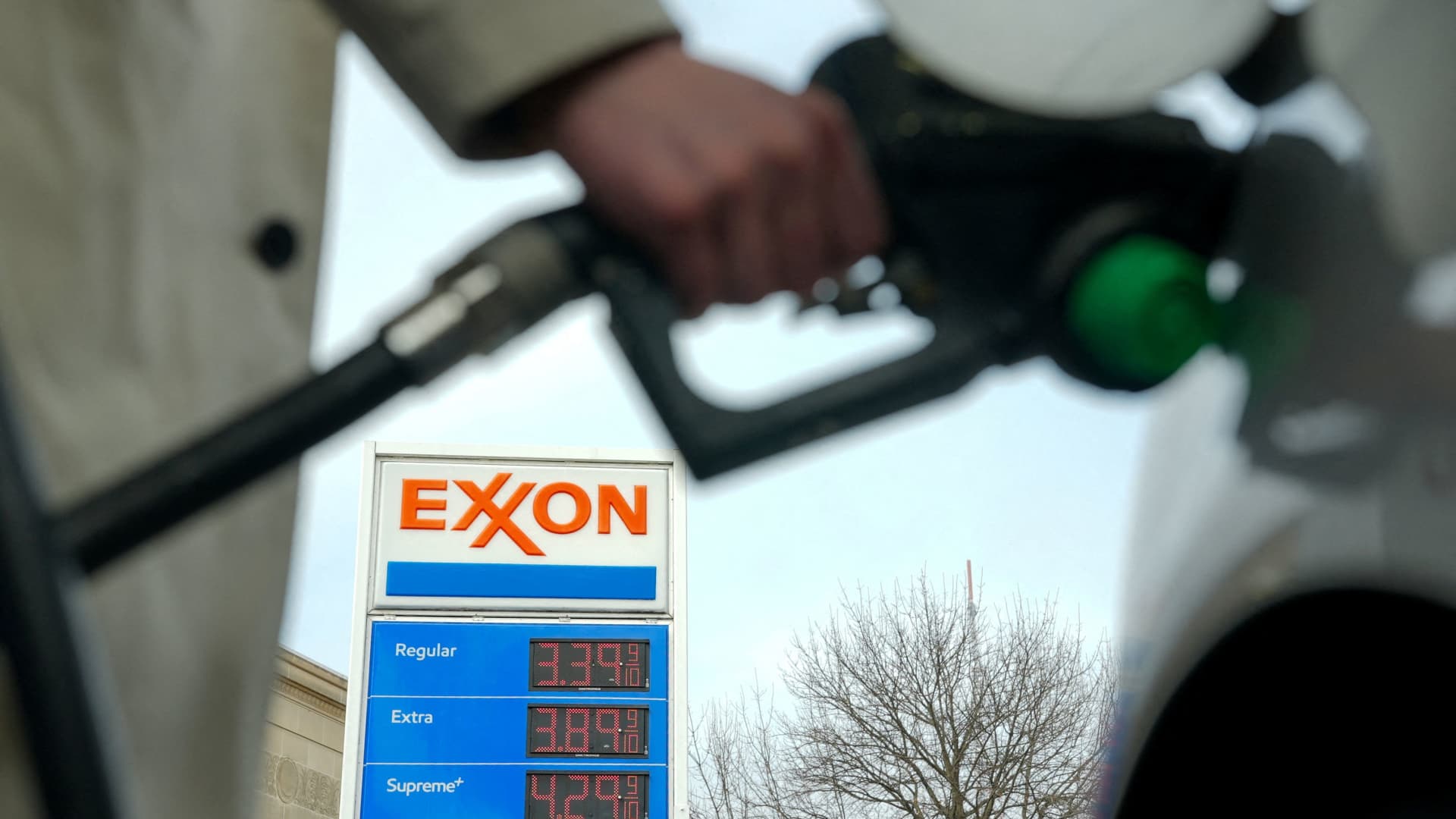
A man pumps gas at an Exxon station as the price of oil and gas has surged amid the U.S.-Israeli conflict with Iran, in Washington, D.C., U.S., March 5, 2026.
Ken Cedeno | Reuters
As the Iran war continues, and traffic through the Strait of Hormuz, a key global oil shipping route, remains stalled, many Americans are seeing higher gas prices.
That elevated cost threatens to offset larger tax refunds this season, depending on how long the Iran conflict lasts, some experts say.
Iran on Wednesday received President Donald Trump‘s 15-point plan to end the war, which initially lowered crude oil prices. But that drop reversed on Thursday after the country rejected the U.S. ceasefire offer.
Meanwhile, American consumers are still paying higher prices at the pump. The price of gasoline on Thursday was at a nationwide average of $3.98 a gallon, up by roughly 33% from one month ago, according to AAA.
Those higher gas prices could chip away at the windfall received by some taxpayers this spring. As of Mar. 13, the average refund amount for individual filers was $3,623, about $350 more than a year earlier, according to the latest IRS data.
While the average refund size could still shift, it’s increasingly “less likely we’re going to see a major change” before the April 15 tax deadline, William McBride, chief economist at the Tax Foundation, told CNBC.
This season’s bigger tax refunds come as both parties focus on Americans’ affordability concerns. Republicans hold slim majorities in the House and Senate ahead of the November midterm elections.
Trump has said this will be the “largest tax refund season of all time” based on the 2025 changes enacted via his “big beautiful bill.”
Higher gasoline prices could offset bigger tax refunds
If the Strait of Hormuz were closed for three weeks and crude oil prices jumped to $110 per barrel in March, retail gasoline prices could peak at $4.36 per gallon in May, according to a March 18 analysis from economists at the Stanford Institute for Economic Policy Research.
Under that scenario, higher gasoline prices could be “wiping out most or all of the larger tax refunds on average,” the authors wrote.
The analysis, which included Goldman Sachs‘ baseline Brent crude oil forecast from March 17, projected the average U.S. household could pay $740 more for gas through year-end, without changes to demand.
A separate Goldman Sachs note released March 22 upgraded its oil price forecasts, with March through April Brent crude oil estimates averaging $110 per barrel.
However, “the U.S. could end military action at any point, which would likely reduce the risk premium in global crude and refined product prices,” Goldman Sachs analysts wrote.
In a March 20 note, Oxford Economics estimated that if gas prices averaged $3.60 per gallon in 2026, consumer spending on fuel could be “almost exactly offsetting the boost from refunds.”
Of course, the longer the conflict lasts, the more it could impact consumers at the pump.
“The energy shock is going to hit those who have the least cushion … and it doesn’t look like those tax refunds are going to be here to save them,” Alex Jacquez, chief of policy and advocacy at Groundwork Collaborative, a left-leaning economic policy think tank, said during a press call Friday.



Personal Finance
Next-Generation Retirement Planning: Managing Longevity Risk and Variable Income Streams


U.S.- Canada Trade Talks Collapse; Carney Says Retaliatory Tariffs Begin September 8

Flock Cameras and the Future of Public Security

AI Infrastructure Boom Hits Physical Limits: Power, Financing, and Supply Chain Strain

Armanino adds Strategic Accounting Outsourced Solutions

New 2023 K-1 instructions stir the CAMT pot for partnerships and corporations

Tax Strategy: Employee Retention Credit update
-

 Stock News1 week ago
Nvidia Earnings Preview: What Wall Street Expects From the AI Bellwether’s Q2 Report
-

 Accounting1 week ago
SEC’s Semiannual Reporting Proposal Faces Investor Pushback: What CFOs Need to Know
-

 Stock News1 week ago
Nvidia Q2 FY2027 Earnings beats Wall Street Expectation with Record $96.2 Billion Revenue
-

 Finance1 week ago
Treasury Bond Volatility Forces Bessent to Double Debt Buyback Size as Yields Swing
-
 Technology4 days ago
AI Infrastructure Boom Hits Physical Limits: Power, Financing, and Supply Chain Strain
-
 Economics2 days ago
U.S.- Canada Trade Talks Collapse; Carney Says Retaliatory Tariffs Begin September 8
-
 Technology2 days ago
Flock Cameras and the Future of Public Security