
Personal Finance
How to incentivize your kid to start investing for retirement


Momo Productions | Stone | Getty Images
Once you’ve decided that opening a Roth individual retirement account for your child is a great idea, now comes the hard part: convincing the child to save for a far-off retirement instead of spending that hard-earned money.
I have some ideas for making the case to your child.
While you’re doing so, it’s also important to consider what counts as “earned income” for a child’s Roth IRA.
How to get your child to start saving for retirement
Getting your kids to save can set them up for long-term financial success. Here are some ways to do it:
- Initiate a “parental match” program in which you chip in some additional money, say another $5 for every $10 of earnings they put into the Roth IRA. Offer tangible rewards for every savings goal they meet; charts and apps can help them keep track. Set up a “savings challenge” in which everyone tries to save a specific amount each month; the one who saves the most or meets their goal gets a reward.
- Encourage them to round up all purchases to the nearest dollar and save the difference. For example, if something costs $4.50, they save the remaining 50 cents. Offer to pay your child interest on the money they save. You could set a small percentage, like 5%, to be added to their savings monthly or quarterly. This teaches them about earning money on savings through compound interest.
- Motivate your child to take on extra chores or small jobs like babysitting, helping out in the neighborhood, or tutoring. Then, encourage them to save a portion of their earnings by offering a bonus if they save a certain percentage. If they start a small business, such as selling crafts on Facebook Marketplace or Etsy, suggest they save a portion of their profits and offer to match those savings.
- Celebrate major savings milestones, such as saving the first $100, with a small reward, whether it’s a favorite treat, a day out or a new book or game. Recognize their savings achievements in front of family or friends to reinforce positive behavior.
Making the case for saving and investing
Use this opportunity to explain how compound interest works, showing them how even small amounts can grow over time. If your child wants to spend money on a particular item, require them to save an equal amount before you allow them to make the purchase.
For example, if they want to buy a $30 toy, they must first save $60, half for savings and half for the toy. This strategy encourages them to think about balancing saving with spending. Instead of monetary rewards, offer privileges for saving —such as extra screen time, a later bedtime, or a special outing.
This can make the idea of saving more appealing, especially for younger children. Offer more independence, such as managing a small part of the household budget, as a reward for consistent saving.

Teach financial literacy and lead by example. Let your kids help choose their Roth IRA investments. Seeing how their money can grow through smart investing can be a powerful incentive. Create a family investment club where everyone picks stocks or other investments. Offer a small prize to the person whose investment performs best over a set period.
Regularly discuss your own savings goals and achievements with your child. When they see you prioritizing savings, they’re more likely to do the same.
Work together on a family savings goal, such as a vacation, and let them see how their contributions help reach the goal faster.
Incentivizing your child to save is about making saving rewarding and fun. These strategies can help your child develop strong financial habits that will benefit them throughout their life.
Ways to earn money for Roth IRA contributions
To contribute to a Roth IRA for kids, the child must have earned income. This income could come from traditional employment, such as a part-time job, or from self-employment activities, such as babysitting or lawn mowing.
The maximum annual contribution for 2024 is $7,000 or the total of the child’s earned income for the year — whichever is less. If a generous parent or other benefactor is willing, they can allow the child to keep part or all of their earned income and fund the Roth, so long as their contribution doesn’t exceed what the child earned.
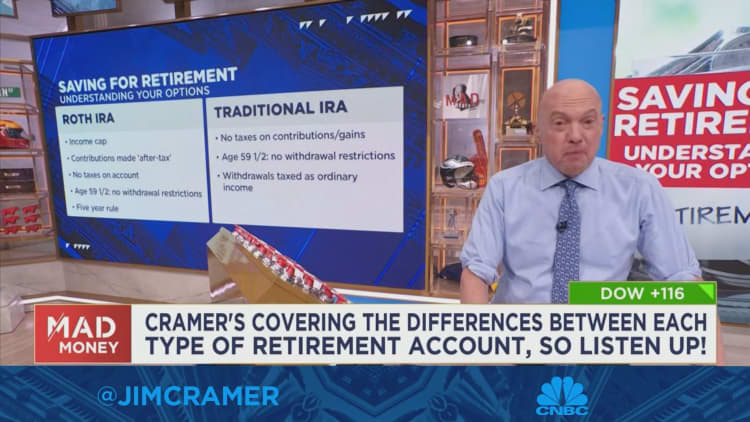
What counts as earned income for a Roth IRA? Earned income is money received from work or services rendered, and it’s crucial to understand what qualifies to ensure your child’s contributions are compliant with IRS rules:
Wages and salaries:
- Paid internships: Most college campuses today have internship offices onsite that can help you with your search for a paid internship. This provides an opportunity to earn income while developing skills and building networking relationships for your future career aspirations.
- Part-time jobs: Earnings from a part-time job, such as working at a grocery store, fast food restaurant, or retail shop, count as earned income. For instance, if a 16-year-old works at a coffee shop and earns $4,000 over the summer, that $4,000 qualifies as earned income.
- Formal employment: Income from formal employment, where the child receives a W-2 form, is the most straightforward type of qualifying income. This includes hourly wages, salaries, and tips.
Self-employment income:
- Babysitting: Money earned from babysitting jobs is considered self-employment income. For example, if your teen earns $1,500 from babysitting throughout the year, this amount can be used for Roth IRA contributions. The same goes for lawn or yard work around the neighborhood.
- Tutoring: My son has done quite a bit of this. Tutoring other students, whether in person or online, also qualifies.
- Art and crafts sales: If your child sells homemade crafts or art at local fairs or online and earns income from these sales, it qualifies as earned income.
- Gig economy jobs: Earnings from online platforms where a minor might provide services — such as graphic design, writing or coding — count as earned income.
- Delivery jobs: Earnings from food delivery jobs, where allowed by age restrictions, through services such as DoorDash or Uber Eats also count as income.
What does not qualify as earned income: Money received from parents for chores or as an allowance does not count, nor do cash gifts or investment earnings, nor scholarships and grants. This last category is considered non-taxable income and therefore cannot be used for Roth IRA contributions.
— By Winnie Sun, co-founder and managing director of Irvine, California-based Sun Group Wealth Partners. She is also a member of the CNBC Financial Advisor Council.


Personal Finance
Next-Generation Retirement Planning: Managing Longevity Risk and Variable Income Streams


U.S.- Canada Trade Talks Collapse; Carney Says Retaliatory Tariffs Begin September 8

Flock Cameras and the Future of Public Security

AI Infrastructure Boom Hits Physical Limits: Power, Financing, and Supply Chain Strain

Armanino adds Strategic Accounting Outsourced Solutions

New 2023 K-1 instructions stir the CAMT pot for partnerships and corporations

Tax Strategy: Employee Retention Credit update
-

 Stock News1 week ago
Nvidia Earnings Preview: What Wall Street Expects From the AI Bellwether’s Q2 Report
-

 Accounting1 week ago
SEC’s Semiannual Reporting Proposal Faces Investor Pushback: What CFOs Need to Know
-

 Stock News1 week ago
Nvidia Q2 FY2027 Earnings beats Wall Street Expectation with Record $96.2 Billion Revenue
-

 Finance1 week ago
Treasury Bond Volatility Forces Bessent to Double Debt Buyback Size as Yields Swing
-
 Technology5 days ago
AI Infrastructure Boom Hits Physical Limits: Power, Financing, and Supply Chain Strain
-
 Technology3 days ago
Flock Cameras and the Future of Public Security
-
 Economics3 days ago
U.S.- Canada Trade Talks Collapse; Carney Says Retaliatory Tariffs Begin September 8