
Technology
How to Optimize AI to Stay Ahead in Cybersecurity


Artificial Intelligence (AI) can be optimize to help your business stay ahead in cybersecurity. Indeed, Artificial Intelligence (AI) has emerged as a game-changing force in cybersecurity, transforming how organizations detect, prevent, and respond to cyber threats. As cyber attacks become more sophisticated and frequent, AI-powered security solutions provide the speed, scalability, and intelligence needed to protect modern digital enterprises. This comprehensive guide explores how AI is revolutionizing cybersecurity and helping organizations stay ahead of emerging threats.
The Evolution of AI in Cybersecurity
The cybersecurity landscape has grown increasingly complex, with attackers employing sophisticated techniques and automated tools to breach defenses. Traditional security approaches, relying on signature-based detection and manual threat hunting, can no longer keep pace with the volume and sophistication of modern threats. AI and Machine Learning (ML) technologies have emerged as powerful tools for analyzing vast amounts of data, identifying patterns, and detecting anomalies that might indicate potential security threats.
Key Applications of AI in Cybersecurity
Threat Detection and Response represents one of the most significant applications of AI in cybersecurity. AI-powered security solutions can analyze network traffic, user behavior, and system logs in real-time, identifying potential threats before they cause damage. Machine Learning algorithms can detect subtle patterns that might indicate malicious activity, enabling security teams to respond more quickly and effectively to emerging threats. These systems continuously learn from new data, improving their accuracy and effectiveness over time.

Yubico – YubiKey 5C NFC – Two-Factor authentication (2FA) Security Key, Connect via USB-C or NFC, FIDO Certified – Protect Your Online Accounts
Paid ads.
AI-Powered Threat Intelligence
Artificial Intelligence transforms threat intelligence by automating the collection, analysis, and correlation of threat data from multiple sources. AI systems can process vast amounts of threat intelligence feeds, identifying relevant threats and providing actionable insights to security teams. These systems can predict potential attack vectors, identify vulnerable systems, and recommend proactive security measures. By leveraging natural language processing, AI can also analyze dark web forums and other sources to identify emerging threats and attack techniques.
Enhanced Security Operations
Security Operations Centers (SOCs) benefit significantly from AI integration. AI-powered Security Information and Event Management (SIEM) systems can automatically prioritize alerts, reducing alert fatigue and helping security analysts focus on the most critical threats. Machine Learning algorithms can identify patterns in security events, highlighting potential security incidents that might otherwise go unnoticed. Automated response capabilities enable organizations to contain threats quickly, minimizing potential damage.
User and Entity Behavior Analytics
AI excels at analyzing user and entity behavior, establishing baseline patterns and identifying anomalies that might indicate compromise. User and Entity Behavior Analytics (UEBA) systems leverage Machine Learning to understand normal behavior patterns for users and systems, flagging suspicious activities for investigation. This capability proves particularly valuable in detecting insider threats and compromised accounts, where traditional security measures might fail.
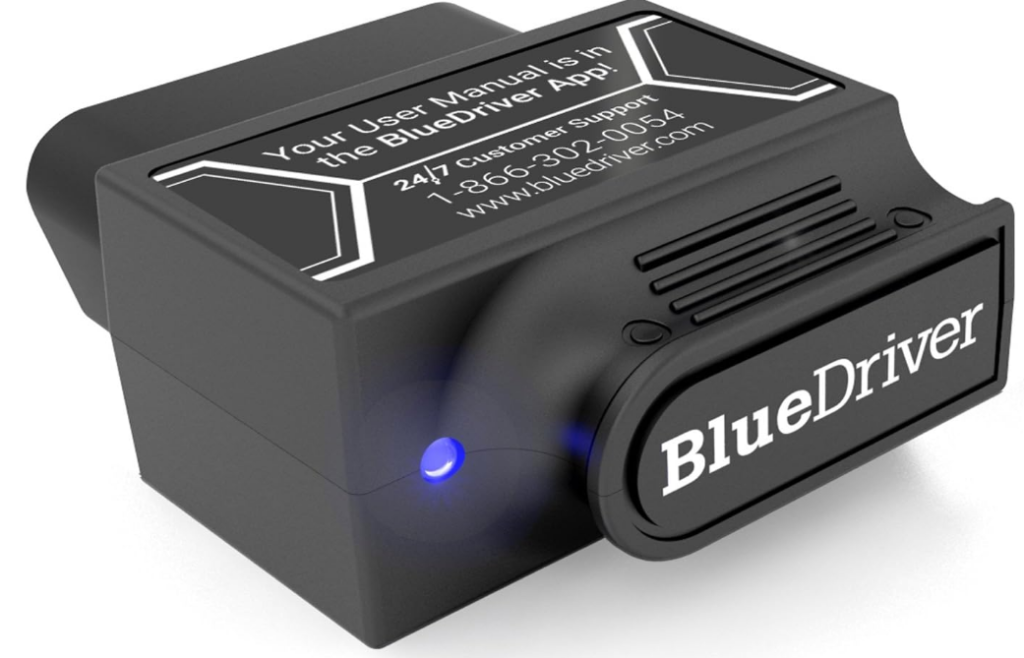
BlueDriver Bluetooth Pro OBD2 Car Scan Tool and Code Reader – Check Engine Light Vehicle Scanner for iPhone & Android
Automated Vulnerability Management
Artificial Intelligence enhances vulnerability management by automating the identification, assessment, and prioritization of security vulnerabilities. AI systems can analyze system configurations, patch levels, and threat intelligence to identify potential vulnerabilities and recommend remediation actions. These systems can also predict which vulnerabilities attackers are most likely to exploit, helping organizations prioritize their patching efforts effectively.
Network Security and Traffic Analysis
AI technologies revolutionize network security through advanced traffic analysis and anomaly detection. Machine Learning algorithms can analyze network traffic patterns, identifying potential malware communication, data exfiltration, and other suspicious activities. Deep Learning models can even detect encrypted malicious traffic without decryption, providing enhanced protection while maintaining privacy.
Challenges and Considerations
While AI offers significant benefits for cybersecurity, organizations must carefully consider several challenges. AI systems require high-quality training data to function effectively, and biased or incomplete data can lead to false positives or missed threats. Additionally, attackers increasingly use AI to develop more sophisticated attack techniques, creating an ongoing arms race between defensive and offensive AI capabilities.
Future Trends in AI Cybersecurity
The future of AI in cybersecurity promises even greater capabilities. Quantum computing may enable more powerful AI algorithms for threat detection and encryption. Advanced Natural Language Processing will improve threat intelligence analysis and automated response capabilities. Edge AI will enable more efficient and responsive security controls for IoT devices and distributed networks.
Remember that while AI provides powerful tools for cybersecurity, it should complement rather than replace human expertise. Organizations should focus on building integrated security programs that combine AI capabilities with skilled security professionals, robust processes, and comprehensive security controls.
HengTianMei 142 in 1 Precision Screwdriver Set Professional Magnetic Repair Tool Kit for Computer, Laptop, Xbox, Macbook, Game Console (H1128)
iFixit Pro Tech Toolkit – Electronics, Smartphone, Computer & Tablet Repair Kit. The original electronics tool kit: Designed for computer, smartphone, tablet, and gaming repair.
Yubico YubiKey 5C – Two Factor Authentication USB Security Key, Fits USB-C Ports – Protect Your Online Accounts with More Than a Password, FIDO Certified
Hi-Spec Electric Screwdriver 27pc 3.6V Pink USB Small Power Screwdriver Set. Cordless Screwdriver & Rechargeable Screwdriver with Driver Bit Set
Paid ads at no cost to buyer.












U.S.- Canada Trade Talks Collapse; Carney Says Retaliatory Tariffs Begin September 8

Flock Cameras and the Future of Public Security

AI Infrastructure Boom Hits Physical Limits: Power, Financing, and Supply Chain Strain

Armanino adds Strategic Accounting Outsourced Solutions

New 2023 K-1 instructions stir the CAMT pot for partnerships and corporations

Tax Strategy: Employee Retention Credit update
-

 Stock News1 week ago
Nvidia Earnings Preview: What Wall Street Expects From the AI Bellwether’s Q2 Report
-

 Accounting1 week ago
SEC’s Semiannual Reporting Proposal Faces Investor Pushback: What CFOs Need to Know
-

 Stock News1 week ago
Nvidia Q2 FY2027 Earnings beats Wall Street Expectation with Record $96.2 Billion Revenue
-

 Finance1 week ago
Treasury Bond Volatility Forces Bessent to Double Debt Buyback Size as Yields Swing
-
 Technology4 days ago
AI Infrastructure Boom Hits Physical Limits: Power, Financing, and Supply Chain Strain
-
 Economics2 days ago
U.S.- Canada Trade Talks Collapse; Carney Says Retaliatory Tariffs Begin September 8
-
 Technology2 days ago
Flock Cameras and the Future of Public Security