
Accounting
Modi is seizing on Trump’s tariffs to cut India taxes, red tape

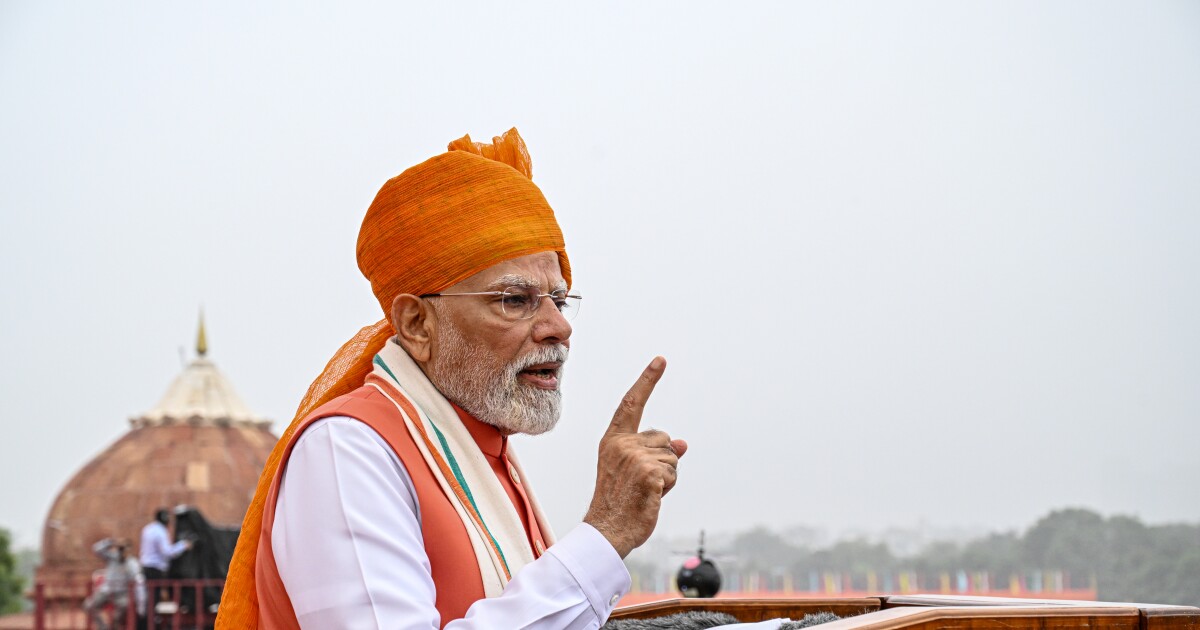
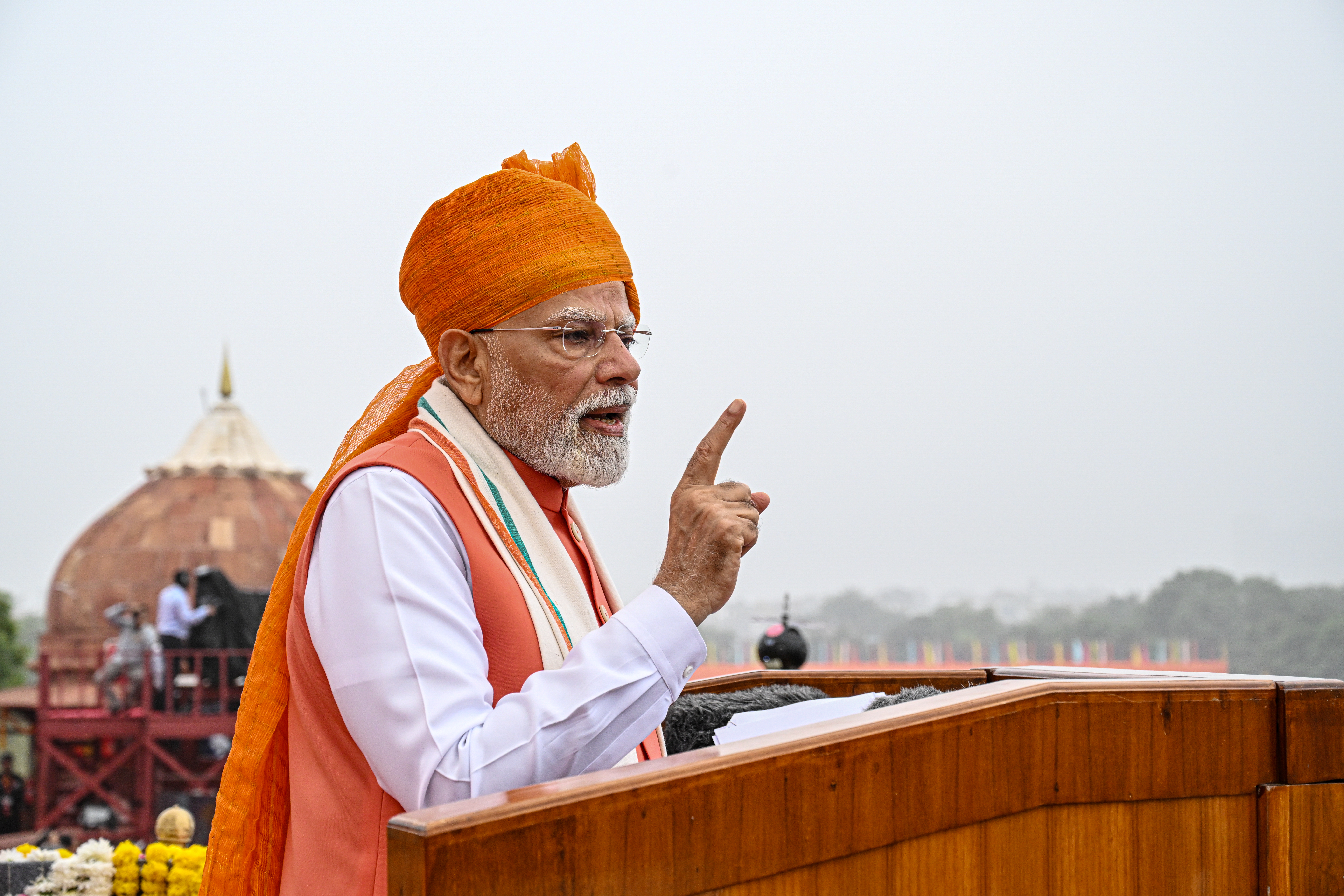
When Indian Prime Minister Narendra Modi stood on the ramparts of the 17th century Red Fort in New Delhi and announced a cut to consumption taxes, he took many of his own officials by surprise.
For the past year, bureaucrats had made steady progress in talks to overhaul the country’s complex goods and services tax, but they were still several months away from making an announcement, an official in New Delhi involved in the discussions said. State finance ministers, who will need to manage the bulk of the revenue losses from the tax cuts, say they weren’t consulted beforehand. The officials asked not to be identified in order to discuss internal matters.
With India bracing for 50% tariffs on its exports to the U.S. from Wednesday, Modi’s government is speeding up policy changes such as the GST overhaul to shore up confidence and growth in the economy. U.S. President Donald Trump’s tariff warnings since July have sparked renewed momentum in New Delhi to tackle some of the tricky reforms businesses and economists have long argued are holding back investment.
“Your usual policy levers are not going to work very well in the current environment,” said Dhiraj Nim, an economist at Australia & New Zealand Banking Group Ltd. “So, the only way out is for you to undertake those slightly tougher reforms.”
Aside from the GST changes — a combination of lower tax rates and simplified rules — Modi also spoke in his Aug. 15 Independence Day speech about “next-generation reforms,” including policy changes to reduce compliance costs for firms and abolish redundant laws.
India’s complicated tax system and bureaucratic red tape has given the country a reputation as a difficult place to do business. Layers of permits, overlapping regulations and slow-moving approvals have frustrated businesses and stalled major projects, deterring investors who might otherwise fuel growth.
A government
Modi has set up two high-level panels to focus on the policy changes needed. One of the committees, which met last week for the first time, is led by Cabinet Secretary TV Somanathan and will focus on state-level deregulations, an official familiar with the matter said. The second panel is led by Rajiv Gauba, a member of the government think tank Niti Aayog, which will prepare recommendations for the next-generation reforms highlighted by Modi, the person said.
India’s Ministry of Finance didn’t immediately respond to a request for further information.
Chaired a meeting to discuss the roadmap for Next-Generation Reforms. We are committed to speedy reforms across all sectors, which will boost Ease of Living, Ease of Doing Business and prosperity. pic.twitter.com/XnJQ5vg3eK
— Narendra Modi (@narendramodi) August 18, 2025
Modi met with his Economic Advisory Council recently to gather policy recommendations on improving living standards and the ease of doing business. The view of many of the economists at the meeting was that 6.5% growth in the fiscal year through March 2026 was still achievable, with low inflation and interest rate cuts likely to help support the economy, a person familiar with the discussions said. There was a recognition that policy changes were needed to boost demand in the economy, the person said.
India’s macroeconomic indicators remain broadly stable, giving the government room to push ahead with difficult reforms. Inflation is at an eight-year low, Standard & Poor’s recently upgraded India’s credit rating for the first time in 18 years, and a cleanup of the financial system five years ago means banks are
“The macro-stability indicators are all in very good shape,” said Sanjeev Sanyal, a member of Modi’s Economic Advisory Council. “This creates the space for pushing the reform agenda harder so that we can build the foundation for the next round of high growth.”
Change the perception
Nomura Holdings Ltd.’s Sonal Varma, cited a “laundry list” of reforms to focus on, from liberalizing rules for foreign investors to easing labor and land restrictions.
The objective is to “change the perception around investing in India,” she said. “Notwithstanding what’s going on with the U.S., to send a signal that India is reforming, is looking to ease the cost of doing business and remains an attractive investment destination.” It’s clear that the U.S. tariffs have been the “trigger” for those changes, she added.
The government is also considering financial support for exporters to soften the blow from the tariffs. Textiles, jewelry and footwear are among the industries expected to be hardest hit. Top officials from the Prime Minister’s Office, the commerce ministry and the finance ministry are meeting Tuesday to discuss possible measures, including lower-interest loans and support for accessing new markets, people familiar with the matter said.
India’s economy is largely driven by domestic demand, rather than exports, so shoring up consumer and business sentiment is key to faster growth. Private consumption makes up about 60% of India’s gross domestic product — and although the U.S. is India’s biggest export market, with shipments of $87.4 billion in 2024, that still
Under the proposed GST changes, the number of tax categories will be reduced from four to two — with goods taxed at 12% and 28% levied at the lower rates of 5% and 18%, respectively. The proposal has been passed by a small panel of state finance ministers and has been submitted to the GST Council, which is led by Finance Minister Nirmala Sitharaman, for final approval.
The government is betting that the GST cut will spur consumer spending, especially in basic goods like food and clothing. IDFC First Bank estimates the tax cut will likely lift the nominal GDP growth by 0.6 percentage points over 12 months.
“The market sees these steps as positive because these are the things that we’ve traditionally thought are holding India’s potential back,” said ANZ’s Nim. “There’s a fair bit of recognition that the breadth of challenge is really huge and there could be some pain involved in turning the economy around from the current levels.”





Treasury Bond Volatility Forces Bessent to Double Debt Buyback Size as Yields Swing

Nvidia Earnings Preview: What Wall Street Expects From the AI Bellwether’s Q2 Report

SEC’s Semiannual Reporting Proposal Faces Investor Pushback: What CFOs Need to Know

Armanino adds Strategic Accounting Outsourced Solutions

New 2023 K-1 instructions stir the CAMT pot for partnerships and corporations

Tax Strategy: Employee Retention Credit update
-

 Economics1 week ago
U.S. Retail Sales Fall for the First Time in Nine Months as Consumer Spending Slows
-

 Economics1 week ago
Nvidia’s Potential $3 Billion SB Energy Investment Could Reshape AI Infrastructure
-

 Economics4 days ago
Top 10 Largest Economies by 2030: IMF & World Bank GDP Projections for Global Powerhouses
-

 Stock News4 days ago
How to understand Intel $15B Stock Offering
-

 Technology1 week ago
U.S.-China AI Competition Intensifies as Washington Pushes Allies to Choose Sides
-

 Economics4 days ago
Economic Profile of the United States of America (2026–2030 Horizon)
-

 Leaders3 days ago
Jackson Hole 2026: What the First Symposium Under Fed Chair Kevin Warsh Means for Markets
-

 Economics3 days ago
U.S. National Debt Surpasses $40 Trillion for the First Time: What It Means for the Economy