
Personal Finance
Senators press Trump Social Security nominee on privatizing the agency

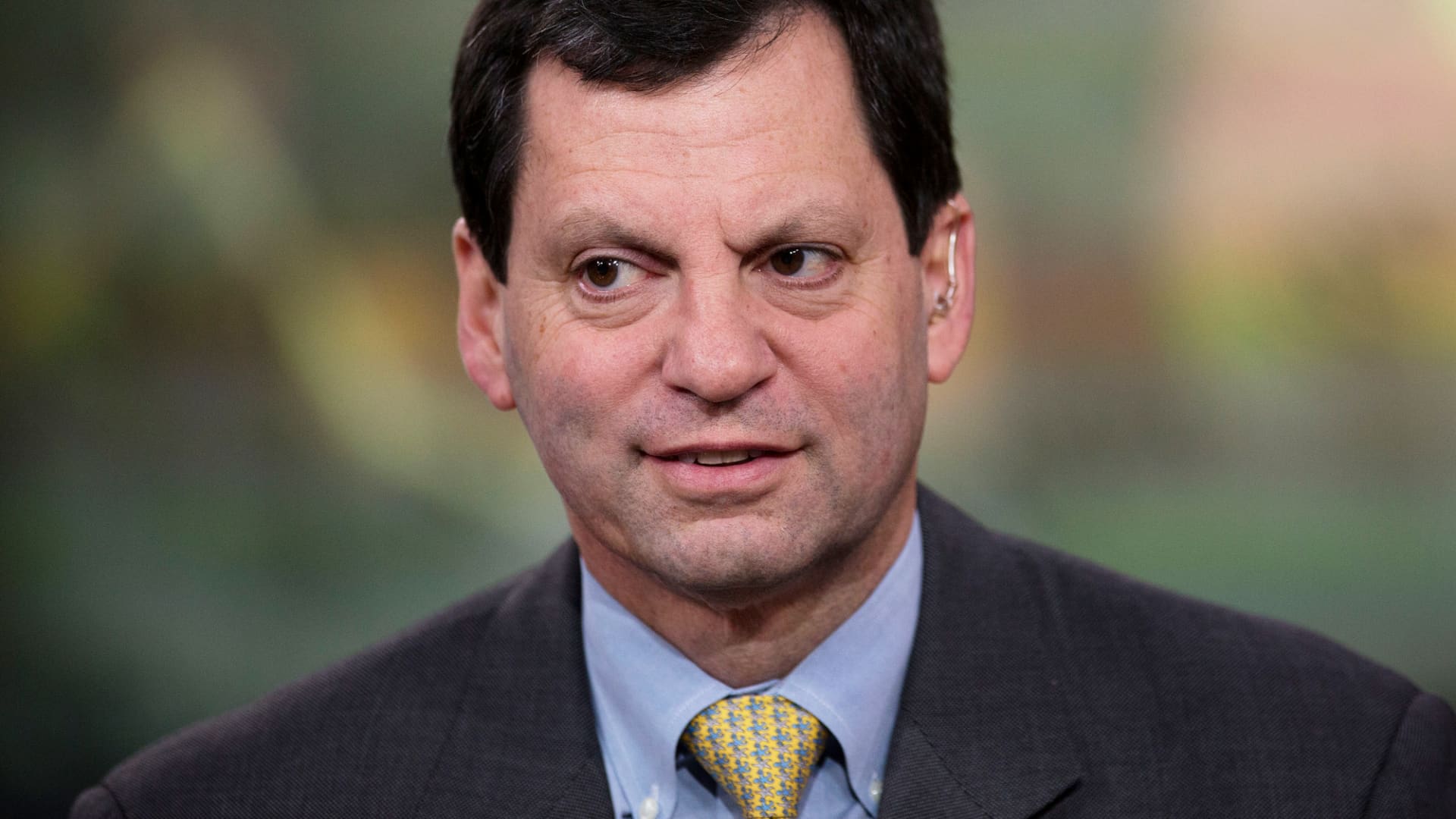
Frank Bisignano
Victor J. Blue | Bloomberg | Getty Images
Two Democratic Senators — Elizabeth Warren of Massachusetts and Ron Wyden of Oregon — sent a letter Monday to Frank Bisignano, the nominee to lead the Social Security Administration, to ask whether he supports privatizing the agency and if he would be willing to undo recent changes.
Bisignano, who is the chief executive officer of payments technology company Fiserv, has been nominated by President Donald Trump to serve as commissioner of the Social Security Administration.
Bisignano’s Senate confirmation hearing is scheduled for Tuesday.
The hearing comes as current temporary leadership of the agency last week made headlines for threatening to shut down the agency following a temporary restraining order that barred the so-called Department of Government Efficiency from accessing Americans‘ personal data.
In the letter to Bisignano, Warren and Wyden said ongoing efforts by the Trump administration, in cooperation with DOGE, may result in changes that will “hollow out” the agency and “deprive Americans of Social Security benefits they earned and need.”
More from Personal Finance:
Judge bars Musk’s DOGE team from Social Security records
Student loans to be handled by the Small Business Administration
The Feds hold interest rates steady. What that means for your money
Those changes include new “burdensome” administrative requirements for beneficiaries, thousands of job cuts and the closure of dozens of Social Security offices, the senators said.
Warren and Wyden wrote they are “deeply concerned” the Trump administration and DOGE are setting the Social Security Administration up for failure, which could be used to justify a “private sector fix.” DOGE leader and Tesla CEO Elon Musk, who has “clear disdain” for the program, “has taken up the mantle as the latest privatization crusader,” the senators wrote.
Musk, in a February interview with podcast host Joe Rogan, said Social Security is the “biggest Ponzi scheme of all time.”
Neither Bisignano nor the White House responded to requests from CNBC for comment by press time.
Fiserv could ‘theoretically benefit’ from privatization
The idea of privatizing Social Security has been pursued before, including by President George W. Bush in 2005. While those efforts failed, talk about whether it makes sense to allow for Americans’ retirement money to be invested in private accounts has recently resurfaced.
The Social Security Administration currently invests the payroll taxes it receives that it is not immediately using to pay for benefits or administrative costs in Treasury bonds. By allowing for those funds to be invested more aggressively, some argue it could provide better returns. To be sure, that also requires taking on more risk.

Warren and Wyden also said they are concerned that private equity professionals Musk has reportedly enlisted to help with the agency will follow the “typical playbook” for that investment industry — “extracting anything of value before selling the remains for parts.”
Fiserv, which helps move money for financial institutions and individuals, “could theoretically benefit from a privatization of Social Security,” Warren and Wyden wrote.
Bisignano to face questions on agency’s future
The first of a list of questions for Bisignano that Warren and Wyden include in their letter: “Will you commit to not privatizing any components of the Social Security program?”
They also inquired whether Bisignano would commit to not closing any Social Security offices if that would lead to severe disruptions, whether he would be willing to reverse agency layoffs if they contribute to longer wait times or otherwise affect beneficiaries’ receipt of benefits and whether he would be willing to reverse a new policy that will require beneficiaries to prove their identities in person.
On Tuesday, Warren, Wyden and other senators will be able to ask Bisignano his views on the agency’s future and other issues during his confirmation hearing.
To be sure, some leaders may consider Bisignano’s private sector experience an asset.
“Frank’s decades of leadership in the private sector, specializing in financial services and payments, make him exceptionally qualified for the task ahead,” Senate Finance Committee Chairman Mike Crapo, R-Idaho, said in a March 14 statement on the upcoming confirmation hearing following a conversation with Bisignano.


Personal Finance
Next-Generation Retirement Planning: Managing Longevity Risk and Variable Income Streams


U.S.- Canada Trade Talks Collapse; Carney Says Retaliatory Tariffs Begin September 8

Flock Cameras and the Future of Public Security

AI Infrastructure Boom Hits Physical Limits: Power, Financing, and Supply Chain Strain

Armanino adds Strategic Accounting Outsourced Solutions

New 2023 K-1 instructions stir the CAMT pot for partnerships and corporations

Tax Strategy: Employee Retention Credit update
-

 Stock News1 week ago
Nvidia Q2 FY2027 Earnings beats Wall Street Expectation with Record $96.2 Billion Revenue
-
 Technology5 days ago
AI Infrastructure Boom Hits Physical Limits: Power, Financing, and Supply Chain Strain
-
 Technology3 days ago
Flock Cameras and the Future of Public Security
-
 Economics3 days ago
U.S.- Canada Trade Talks Collapse; Carney Says Retaliatory Tariffs Begin September 8