
Accounting
The effect of the November presidential election on IRS funding

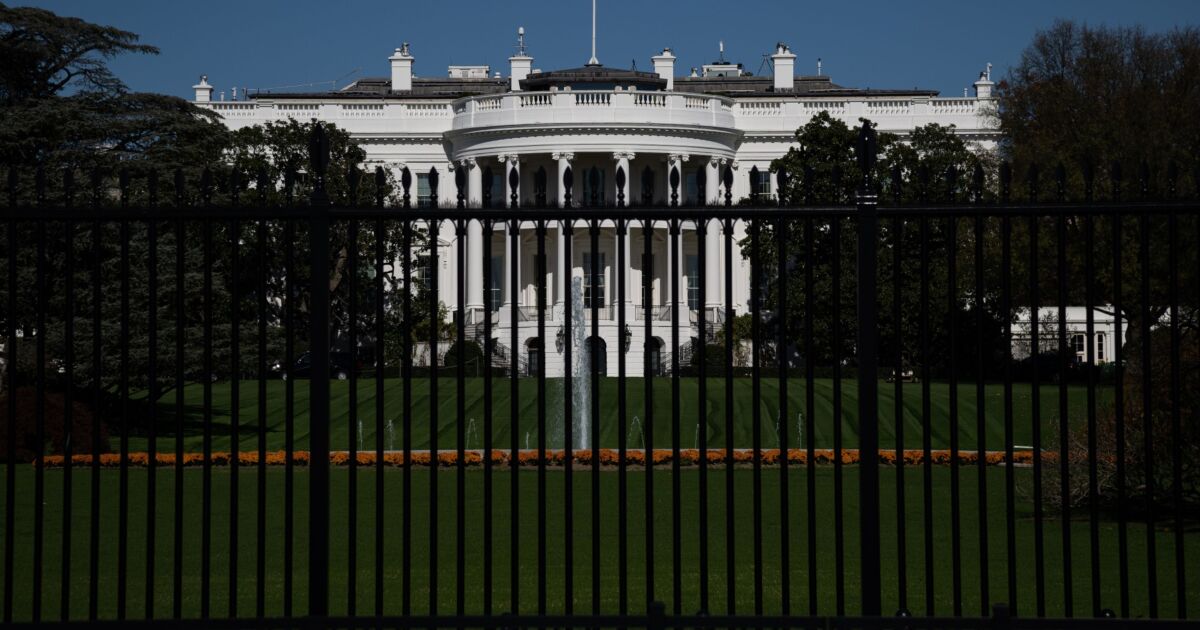
Like most federal agencies, the Internal Revenue Service is funded through annual appropriations. However, in 2022 the IRS also received $80 billion of multiyear funding under the Inflation Reduction Act of 2022. In the two years since the IRA was enacted, approximately $20 billion was clawed back.
Depending on the outcome of the November presidential and congressional elections, the amount of IRA funding could be reduced further. This article provides a high-level overview of how the IRS is funded and considers how the IRS’s budget might fare after the next election.
Current IRS funding
While IRS funding through the congressional appropriations process has remained relatively constant (fluctuating between around $11 billion to a bit more than $12 billion), since 2010 the amount has decreased in inflation-adjusted dollars. This decrease in funding has resulted in
IRS funding under the IRA was enacted to supplement the agency’s annual appropriations to provide a consistent source of multiyear funding to facilitate improvements and enable better strategic planning. Almost
Under revenue-estimating rules, allocating money to enforcement raised revenue (about $180 billion) that was used to offset the cost of the IRA (which mostly was attributable to clean energy tax benefits). So far, the IRS has used a good portion of the IRA funding, including to help reduce processing backlogs and overall taxpayer service deficits, and it is estimated that after the $20 billion clawback, approximately $40 billion remains. Under the IRS’s strategic operating plan, enforcement funding is focused on large corporations, complex partnerships and high-net-worth individuals, as well as international tax compliance and high-income nonfilers.
Partisan view of IRS funding
The Democrats controlled both chambers of Congress and the White House when the IRA was enacted, but Republicans won control of the House in 2023. While Democrats view the IRS’s IRA funding as separate from the agency’s annual appropriations, Republicans view IRS funding more holistically and have attempted to reduce total agency funding by reducing both IRA funding and IRS appropriations. This effort has been partially successful and likely will continue.
The Biden-Harris administration has proposed increasing the IRS’s annual appropriations, requesting $12.32 billion for fiscal year 2025, and increasing and extending multiyear funding through 2034.
House appropriators have proposed IRS appropriations below the amount requested by the Biden-Harris administration, including a $2 billion reduction in funding for enforcement, but to date have not proposed additional clawbacks of IRA funding. In contrast, Democrats in the Senate support IRA multiyear funding of the IRS and sustained annual appropriations to preserve gains.
Although Donald Trump has not spoken specifically about IRS funding during this campaign cycle, the candidate’s campaign website, campaign staff and surrogates have said that a Trump administration would use impoundment (essentially, not spending appropriated funds) and would continue plans started in 2020 to shrink the federal bureaucracy.
These broader plans could be used to significantly reduce IRS funding and staffing. Budget requests for the IRS for fiscal years 2018 through 2021, when Donald Trump was president, were lower than prior years.
Even if IRS funding survives the fiscal year 2025 congressional budget process relatively unscathed (for instance, agency annual appropriations don’t take too great a hit and there isn’t an additional clawback of IRA money), the fiscal year 2026 budget process begins in February 2025, which gives Congress another opportunity to address IRS funding during the height of discussions about how to address expiring provisions enacted by the Tax Cuts and Jobs Act of 2017.

Extending all TCJA provisions is estimated to cost $4.6 trillion, and differences exist regarding whether offsets should be required. A discussion of offsets surely will include IRS annual appropriations and the agency’s multiyear funding under the IRA. Even if not tapped as an offset for the cost of extending expiring provisions under the TCJA, the IRS’s funding might be an attractive offset to pay for nontax-related priorities. If TCJA negotiations continue into 2026 (or even 2027), which is possible, tax and IRS funding could be an issue in the November 2026 midterm elections.
IRS funding after the election
While no one knows for certain the outcome of the elections in November, four possible outcomes generally exist: Two where one party or the other wins control of the House, Senate and White House, and two where one party or the other controls the White House, but the Congress is either divided or the party that didn’t win the presidency controls each chamber. Each scenario could have an impact on IRS funding, as follows:
- Republicans win the White House, House and Senate: There is a high risk that IRS funding will be reduced below levels appropriated in recent years and remaining IRA funding could be completely rescinded. This conclusion is based on recent appropriations proposals by congressional Republicans and Donald Trump’s campaign pledge to reduce government spending and the number of federal employees.
- Republicans win the White House but lose one or both chambers of Congress: The result here is likely to be the same as above. This is because Donald Trump has pledged to reduce government spending and the number of federal employees. Even if Congress enacts a steady or increased level of annual IRS funding with a veto-proof majority, Donald Trump has stated that he would use impoundment to rescind or defer spending.
- Democrats win the White House, House and Senate: It is highly unlikely that IRA funding will be reduced (and it could even be increased), and the IRS’s appropriations for fiscal year 2025 and 2026 likely will be relatively steady or even increase.
- Democrats win the White House but lose one or both chambers of Congress: Even though the Biden-Harris administration agreed to reductions in IRA funding in 2023 and 2024, the amount remaining after the clawbacks and IRS investments so far leave little room for concessions. However, IRS annual funding levels could be reduced, particularly if Republicans control the House and the Senate.
Based on these possible outcomes, the following matrix illustrates what might happen to IRS funding in 2025 and 2026 in each scenario:
The November elections are fast approaching. While it’s possible that an individual’s view of the IRS and how it spends the money it receives from Congress will affect how they vote, it’s more likely that the converse will be true — how people vote on other issues will influence IRS funding.





S&P 500 September Outlook: Tech Rally Holds Index at 7,600

India Unveils ‘Saptadhara’ Reform Agenda Targeting Technology, Youth Skilling, and Growth

S&P 500 Outperforms Amid Strong Corporate Earnings as Treasury Yields Cap Equity Multiples

Armanino adds Strategic Accounting Outsourced Solutions

New 2023 K-1 instructions stir the CAMT pot for partnerships and corporations

Tax Strategy: Employee Retention Credit update
-

 Technology6 days ago
AI Infrastructure Boom Hits Physical Limits: Power, Financing, and Supply Chain Strain
-

 Economics4 days ago
U.S.- Canada Trade Talks Collapse; Carney Says Retaliatory Tariffs Begin September 8
-
 Stock News8 hours ago
S&P 500 September Outlook: Tech Rally Holds Index at 7,600
-

 Technology4 days ago
Flock Cameras and the Future of Public Security
-
 Finance8 hours ago
S&P 500 Outperforms Amid Strong Corporate Earnings as Treasury Yields Cap Equity Multiples
-

 Insights9 hours ago
Climate Resilience and Offshore Wind and Land Restoration Milestones
-

 Accounting9 hours ago
Mandatory ESG Reporting Standards Demand Standardized Non-Financial Audit Trails
-
 Leaders8 hours ago
India Unveils ‘Saptadhara’ Reform Agenda Targeting Technology, Youth Skilling, and Growth