Connect with us

Finance

U.S. Treasury Introduces New $1 Coin Featuring President Trump for America’s 250th Anniversary

Published

on

U.S. Treasury Introduces New $1 Coin Featuring President Trump for America’s 250th Anniversary
Commemorative Coin Sparks National Attention and Debate

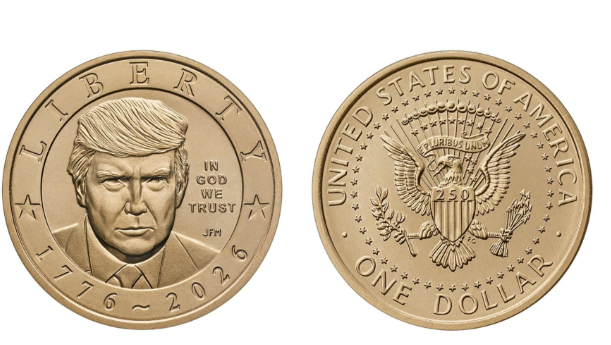
The U.S. Treasury Department has announced the production of a new commemorative $1 coin featuring President Donald Trump as part of the nation’s celebration of the 250th anniversary of the Declaration of Independence. Treasury officials say the limited-edition coin is intended to honor the country’s Semiquincentennial in 2026 and will be produced by the U.S. Mint later this year.

The gold-colored coin displays Trump’s portrait on the front alongside patriotic inscriptions, while the reverse features the Great Seal of the United States. Although the coin has a gold finish, it is not struck from precious metal. Officials describe it as a commemorative issue rather than a circulating replacement for the traditional dollar coin.

Historic Release Generates Mixed Reactions

The announcement has generated significant public discussion because U.S. currency has traditionally avoided depicting living presidents. While historical exceptions exist, many numismatic experts note that such releases are uncommon and often generate legal and political debate. Critics have questioned whether the decision aligns with long-standing traditions, while supporters argue the coin commemorates a historic milestone during Trump’s presidency.

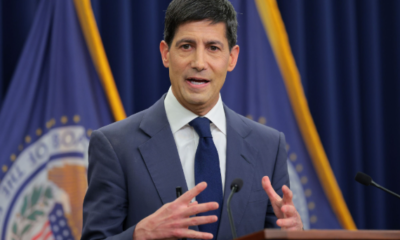
Treasury Secretary Scott Bessent said the commemorative coin celebrates America’s enduring legacy as the nation approaches its 250th birthday. Collectors and investors are already showing strong interest, with many anticipating high demand when the coin becomes available through the U.S. Mint.

Interest From Collectors Continues to Grow

Commemorative coins often become popular collectibles because of their limited production and historical significance. While the new Trump dollar is expected to attract political attention, its long-term collectible value will likely depend on production numbers, market demand, and future historical significance.

Collectors should remember that commemorative coins are generally produced for collecting purposes and are not intended to replace everyday circulating currency. As America’s 250th anniversary approaches, the new dollar coin is expected to become one of the most talked-about numismatic releases of 2026, reflecting both the nation’s history and the continuing public interest surrounding President Trump.

Finance

South Korea Raises Interest Rates to 2.75% for the First Time in More Than Three Years

Published

on

Bank of Korea

Bank of Korea Tightens Monetary Policy as Inflation and Economic Growth Accelerate

The Bank of Korea (BOK) has raised its benchmark interest rate by 25 basis points to 2.75%, marking the country’s first interest rate increase in more than three years. The widely anticipated move reflects the central bank’s efforts to contain persistent inflation, stabilize the South Korean won, and address growing financial stability risks while the economy continues to outperform earlier expectations.

The rate hike ends a prolonged period of accommodative monetary policy that began in early 2023. Policymakers unanimously supported the decision, citing stronger economic growth, rising consumer prices, and expanding exports as key reasons for tightening monetary conditions. The central bank also indicated that additional rate increases could be considered if inflation remains elevated.

Inflation and Strong Exports Drive the Decision

South Korea’s economy has shown renewed strength in 2026, largely fueled by booming semiconductor exports and continued global demand for artificial intelligence technologies. Strong investment and resilient export activity have pushed economic growth above previous forecasts, giving the Bank of Korea greater confidence to focus on controlling inflation.

Consumer prices have remained above the central bank’s 2% inflation target for several consecutive months. Higher energy prices, geopolitical uncertainty in the Middle East, and a weaker Korean won have all contributed to rising inflationary pressures. At the same time, policymakers remain concerned about increasing household debt and elevated property prices in Seoul.

Financial Markets React

Following the announcement, South Korean financial markets experienced increased volatility. The benchmark KOSPI index declined as investors reassessed borrowing costs and the outlook for technology stocks, particularly semiconductor manufacturers. Higher interest rates typically increase financing costs for businesses and consumers, while also influencing investment decisions across financial markets.

What the Rate Hike Means

The latest policy decision signals that South Korea is prioritizing price stability while maintaining confidence in the country’s economic recovery. Although higher borrowing costs may slow consumer spending and business investment in the short term, policymakers believe the move will help prevent inflation from becoming entrenched.

Looking ahead, investors will closely monitor future inflation data, export performance, and global economic conditions. If inflation remains above target, additional interest rate increases could follow, making monetary policy one of the key factors shaping South Korea’s economy through the remainder of 2026.

Continue Reading

Finance

Elon Musk’s SEC Settlement Approved Despite Judge’s Concerns Over Fairness

Published

on

Elon Musk

Federal Judge Signs Off on SEC Agreement While Raising Questions

A federal judge has approved a settlement between Elon Musk and the U.S. Securities and Exchange Commission (SEC), but the ruling came with sharp criticism of the agreement’s fairness. The case stemmed from allegations that Musk failed to disclose his initial purchases of Twitter stock within the timeframe required under federal securities laws. Regulators argued that the delayed filing allowed the billionaire entrepreneur to continue buying shares before the market recognized the size of his investment, potentially giving him a significant financial advantage.

The settlement requires a trust associated with Musk to pay a $1.5 million civil penalty without admitting or denying the SEC’s allegations. By resolving the lawsuit through a settlement, both sides avoid the uncertainty, expense, and time involved in prolonged litigation.

Judge Expresses “Significant Misgivings”

Although U.S. District Judge Sparkle Sooknanan approved the agreement, she made it clear that she had serious reservations about its terms. In her written opinion, the judge described having “significant misgivings” and pointed to several “red flags” surrounding the settlement.

Among her concerns was the SEC’s decision not to pursue repayment of the estimated financial benefit Musk allegedly gained from the delayed disclosure. Regulators previously claimed the late filing allowed Musk to save approximately $150 million while accumulating additional Twitter shares before publicly revealing his growing ownership stake. The judge also questioned whether the settlement reflected equal treatment under the law or if Musk’s high-profile status influenced the outcome.

Court’s Role Was Limited

Despite voicing those concerns, the judge explained that the court’s authority in reviewing negotiated settlements is limited. Rather than deciding whether the agreement represented the strongest possible enforcement action, the court only needed to determine whether it met minimum legal standards for fairness, reasonableness, and public interest.

Because those standards were satisfied, the judge concluded that the settlement could move forward even though she believed important questions remained unanswered.

Why the SEC Case Matters

The lawsuit centered on Musk’s 2022 acquisition of Twitter, now known as X. Federal securities laws require investors to disclose when they surpass a 5% ownership stake in a publicly traded company. The SEC alleged that Musk waited 11 days longer than required before filing the necessary disclosure, allowing him to continue purchasing shares before investors became aware of his growing position. Musk has maintained that the reporting delay was inadvertent.

What Investors Should Watch Next

Although the legal dispute has now been resolved, the case continues to spark debate about securities enforcement, corporate transparency, and regulatory consistency. Critics argue the relatively small financial penalty may not serve as a meaningful deterrent for ultra-wealthy executives, while supporters note that settlements often reflect legal risks and practical considerations rather than admissions of wrongdoing.

For investors, the decision highlights the importance of timely corporate disclosures and the SEC’s role in protecting market transparency. It also underscores the ongoing scrutiny surrounding Elon Musk’s business activities, which continue to attract significant attention from regulators, shareholders, and financial markets alike. As future enforcement actions emerge, market participants will closely monitor whether similar cases receive comparable treatment and whether regulatory agencies apply securities laws consistently across all market participants.

Continue Reading

Finance

Gen X can’t retire on time as inflation outpaces wages, survey finds

Published

on

For the generation that should be in its “peak savings years,” the prospect of retiring on time has shifted from a plan to a prayer.

A newly released Employee Financial Wellness Survey by PwC found that nearly 50% of Gen X employees are pushing back their retirement dates, citing stagnant wages, rising everyday costs, and a lack of liquid savings.

Additionally, only 38% of Gen Xers believe they can retire when they originally planned, and more than half of this demographic expect to withdraw funds from their retirement accounts early to cover short-term costs.

“For employers, this isn’t a future problem. Financial anxiety during peak career years can affect focus and engagement,” PwC researchers write. “If the risks are clear, the question is why more employees aren’t taking action. It’s not a lack of desire. Most employees want stability, confidence and to feel in control. But many don’t feel equipped to get there.”

TEEN INVESTOR BOOM: WHY WALL STREET IS CHASING YOUNGEST GENERATIONS EARLIER THAN EVER

The primary driver of this retirement delay is the inability to save as inflation eats away at monthly expenses, the report notes. Twenty-five percent of the total workforce is living without a buffer, and nearly half cannot meet basic household expenses.

Man looks stressed by office window

Nearly half of Gen X workers are delaying retirement, PwC reports. (Getty Images)

“[Forty-nine percent] say their compensation isn’t keeping up with costs. As expenses rise faster than income, day-to-day trade-offs are becoming routine. Employees aren’t just feeling squeezed. They’re making difficult financial decisions to stay afloat,” the PwC report continues..

As a result, when Gen Xers cannot afford to leave their current jobs, the entire corporate ladder stalls, creating business risks, with companies facing higher costs as older talent remains on payroll longer than expected.

“When employees dip into retirement funds early or delay retirement altogether, it affects more than personal finances and retirement plan leakage,” the report says. “It may also influence workforce planning, healthcare costs, succession timing and overall organizational stability.”

The findings also show that a significant portion – 41% – of the workforce feel they were never given the tools to manage a crisis of this magnitude, leading to a sense of being “overwhelmed” by financial choices.

GET FOX BUSINESS ON THE GO BY CLICKING HERE

PwC provided a call to action for employees and their employers, encouraging them to reduce the stigma around financial education, foster trust through human coaches, emphasize skill building and focus on day-to-day finances before long-term goals.

“Employees define financial wellness simply: less stress, fewer surprises and the freedom to make financial choices with confidence. For employers, that’s the opportunity.”

READ MORE FROM FOX BUSINESS

Continue Reading

Trending