Connect with us

Personal Finance

Who may be eligible for Biden’s new student loan forgiveness plan

Published

on

Recent student loan debt forgiveness is making good on previous legislation: Bharat Ramamurti

1. Borrowers with ‘runaway interest’

More than 25 million borrowers owe more than they originally borrowed in federal student loans because of accrued interest charges, according to the Biden administration.

As part of this plan, those borrowers could get up to $20,000 of unpaid interest on their debt forgiven, regardless of income. Certain low- and middle-income borrowers, if they’re enrolled in an income-driven repayment plan, could have the entire interest balance that has accrued on their federal loan debt since they entered repayment canceled.

Anyone enrolled in the Saving on a Valuable Education Plan, or SAVE, or any other income-driven repayment plan would be eligible without having to apply.

As part of its National Financial Literacy Month efforts, CNBC will be featuring stories throughout the month dedicated to helping people manage, grow and protect their money so they can truly live ambitiously.

2. Borrowers eligible for forgiveness programs, who haven’t applied

Consumer advocates and borrowers have complained that the government’s debt forgiveness programs can be hard to know about and to access.

Biden’s new plan is also expected to cancel debt for borrowers who are otherwise eligible for relief through Public Service Loan Forgiveness or SAVE or other income-driven repayment plans, but have not successfully applied.

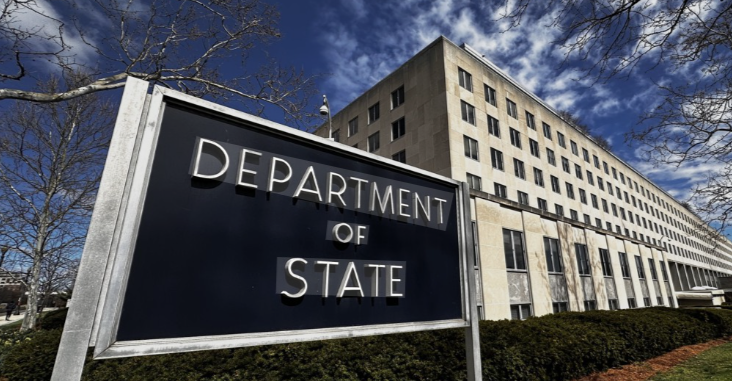
The Department of Education will review the accounts of borrowers to identify who could be eligible for this type of relief, which would go into effect automatically, the administration said.

3. Borrowers who entered repayment over 20 years ago

Another 2.5 million borrowers would benefit from the forgiveness of student loans that have been held for two decades or longer.

Borrowers with undergraduate debt would qualify for forgiveness if they first entered repayment on or before July 1, 2005, and borrowers with any graduate school debt would qualify if they first entered repayment on or before July 1, 2000, the administration said. Both direct loans and consolidated loans are eligible for relief. 

4. Borrowers who enrolled in ‘low-value’ colleges

5.  Borrowers experiencing ‘hardship’

While harder to quantify, “millions of borrowers could be eligible for relief if they are experiencing hardship in their daily lives that prevent them from fully paying back their loans now or in the future,” the administration said. This piece of the plan would cancel student debt for borrowers who are at high risk of defaulting on their student loans or families burdened with other expenses like medical debt or child care.

With higher debt burdens, Black and Latino borrowers will benefit disproportionately from this relief, the White House also said.

Subscribe to CNBC on YouTube.

Continue Reading

Personal Finance

Maximizing Returns in High Rate Climate and market uncertainty

Published

on

Maximizing Returns in High-Rate Climate

In the macroeconomic environment of late July 2026, personal cash management requires an active, structured approach to wealth preservation. With central bank benchmark rates remaining elevated to ensure long-term disinflation, conservative yield-bearing vehicles—such as short-term U.S. Treasury bills, money market funds, and high-yield savings accounts (HYSAs)—continue to offer reliable nominal returns between 4% and 5%. For individual investors, maximizing net returns requires moving beyond passive checking accounts and executing a disciplined cash laddering strategy.

Leaving substantial liquid capital in traditional bank deposits creates an invisible drag on personal net worth due to ongoing inflation. By implementing a tiered liquidity framework, individuals can split emergency cash reserves and short-term capital allocations across rolling maturities. Allocating cash into 4-week, 8-week, and 13-week Treasury bills creates a continuous cycle of maturing liquidity, allowing investors to continuously reinvest capital at prevailing market yields while maintaining immediate access to emergency funds.

Tax efficiency represents a critical dimension of high-yield cash optimization. For high-earning individuals residing in states with substantial local income taxes, direct holdings in short-term U.S. Treasury instruments often deliver superior net post-tax yields compared to standard commercial bank HYSAs. Because interest earned on federal Treasury bills is strictly exempt from state and local taxation, investors can retain a larger portion of their compounding interest gains without taking on additional credit or market risk.

Ultimately, personal wealth accumulation in mid-2026 relies on intentional capital deployment. Cash should be managed as a productive asset class that generates consistent, risk-free returns. Regularly auditing account yield terms, automating recurring transfers, and leveraging tax-advantaged fixed-income instruments ensures that personal liquidity remains fully optimized against macroeconomic fluctuations.

Continue Reading

Personal Finance

Algorithmic Wealth Management: Balancing Automated Financial Planning with Human Oversight

Published

on

Balancing Automated Financial Planning with Human Oversight

The personal finance industry in July 2026 is experiencing a technological evolution, driven by the wide deployment of next-generation algorithmic wealth management tools. Modern digital financial platforms have expanded far beyond basic automated index investing; today’s robo-advisors utilize real-time tax-loss harvesting, dynamic portfolio rebalancing, and hyper-personalized spending analysis to optimize retail investor outcomes. However, as these digital solutions become ubiquitous, investors face the crucial challenge of balancing automated execution with human strategic judgment.

The core advantage of automated financial planning platforms lies in their ability to remove emotional bias from investment execution. During periods of market volatility or localized sector realignments, automated algorithms systematically rebalance portfolios back to target asset allocations without falling victim to panic selling or speculative enthusiasm. Furthermore, integrated cash-flow monitoring algorithms analyze individual spending patterns in real time, automatically sweeping surplus income into designated retirement or debt-liquidation accounts to accelerate net worth accumulation.

Despite these operational advantages, algorithmic tools have inherent structural limitations when addressing complex, highly personalized financial life events. Decisions involving multi-generational estate planning, highly complex tax strategies, small business exits, or nuanced real estate transactions require contextual human judgment that software models cannot replicate. Relying solely on automated models without periodic human professional review can result in misaligned risk profiles or overlooked tax liabilities during major life transitions.

The optimal approach for personal financial planning in late 2026 is a hybrid advisory model. Individuals should utilize automated platforms for routine asset allocation, continuous tax optimization, and low-cost passive index tracking, while engaging qualified human financial advisors for periodic strategic planning, estate structuring, and qualitative risk evaluations. This dual approach ensures maximum cost efficiency and disciplined execution while retaining essential strategic guidance.

Continue Reading

Personal Finance

High-Yield Optimization: Structuring Personal Cash Reserves in a Sustained Rate Environment

Published

on

Structuring Personal Cash Reserves in a Sustained Rate Environment

In the financial environment of mid-2026, personal cash management has re-emerged as a vital component of holistic wealth building. With central bank policy rates holding firm to maintain long-term price stability, yield-bearing instruments such as money market funds, high-yield savings accounts (HYSAs), and short-term Treasury bills continue to offer compounding returns around 4% to 5%. For individual investors, effectively structuring cash reserves requires shifting away from passive bank deposits toward active yield optimization.

A frequent pitfall in personal asset management is leaving substantial liquid capital in traditional checking or low-yield savings accounts, where real returns are continuously eroded by baseline inflation. By implementing a disciplined ‘cash ladder’ strategy—allocating liquid funds across tiered maturities using ultra-short Treasury instruments and FDIC-insured high-yield accounts—individuals can secure maximal yields while retaining immediate liquidity for emergency expenses or tactical investment opportunities.

Simultaneously, investors must evaluate the tax efficiency of their cash holdings based on their tax bracket and geographic location. For high earners situated in states with high local income taxes, direct holdings in short-term U.S. Treasury bills often yield a higher net post-tax return than standard high-yield savings accounts, as Treasury interest is strictly exempt from state and local taxation. Understanding these nuanced tax distinctions allows individuals to capture significant incremental gains without taking on additional market risk.

Ultimately, personal financial health in late 2026 hinges on intentional liquidity management. Cash reserves should not be viewed merely as static emergency funds, but as a dynamic asset class that contributes positively to net worth growth. Regularly auditing yield terms, automating cash transfers, and optimizing for post-tax efficiency ensures that personal capital remains fully productive across all economic conditions.

Continue Reading

Trending