
Technology
The Rise of Superapps: How AI is Powering the Next Generation of Mobile Apps

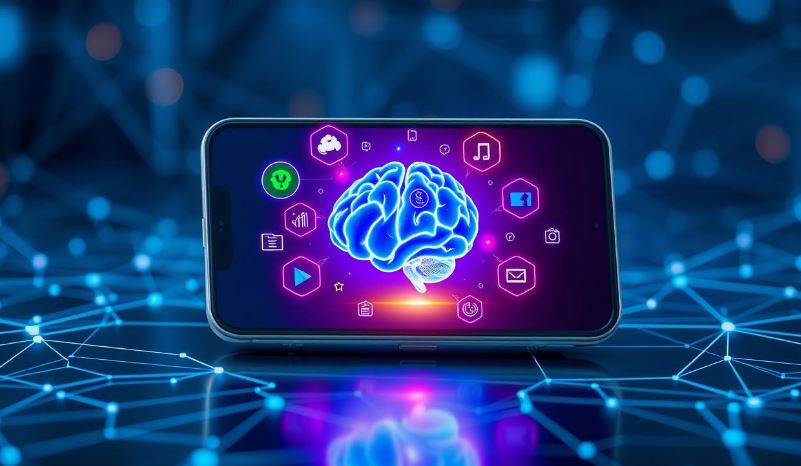
A new kind of app is becoming popular – the superapp. These apps change how we use our phones. They mix many services into one easy-to-use app. Artificial intelligence (AI) is key to this change, making apps smarter and more personal.
Superapps combine many features into one app. This makes using digital tools easier. AI helps these apps understand what we need and offer great suggestions. They can even help with shopping and money matters.
The rise of superapps is changing how we use the internet. This article will look at why superapps are important. We’ll see how AI is changing mobile apps and what it means for the future.
Key Takeaways
- Superapps are the next generation of mobile applications, integrating multiple services and functionalities within a single platform.
- Artificial Intelligence (AI) is at the core of superapp development, enabling enhanced personalization, predictive analytics, and seamless user experiences.
- The consolidation of various digital services within a single app is revolutionizing how users interact with their mobile devices.
- Superapps are poised to disrupt traditional app ecosystems, offering greater convenience, efficiency, and customization for users.
- The rise of superapps powered by AI has significant implications for industries ranging from e-commerce and finance to healthcare and transportation.
Understanding Superapps: The Evolution of Mobile Applications
The mobile app world has changed a lot lately. “Superapps” are now a big deal. They are not like old apps that only do one thing. Superapps are all-in-one platforms with lots of features in one place.
Traditional Apps vs. Superapps: Key Differences
Old apps usually do just one thing, like messaging or playing games. But superapps do lots of things. They handle money, social stuff, and even getting around, all in one app. This makes life easier for users.
The Role of Ecosystem Integration
Superapps work well because they bring everything together. They make it easy to switch between different parts of the app. This makes using the app smooth and fun, keeping users happy and coming back.
User Experience Transformation
People want more from their apps now. They want apps that can do lots of things. Superapps answer this by being a one-stop shop for many needs. This changes how we use apps in our daily lives.
“Superapps are redefining the mobile app landscape, offering users a comprehensive and integrated digital experience that transcends traditional app boundaries.”
The Rise of Superapps: How AI is Powering the Next Generation of Mobile Apps
The world of mobile apps is changing fast. This change comes from AI-driven apps. These apps use new tech like machine learning and natural language processing to change how we use our phones.
AI is making superapps a big deal. These apps do lots of things. They make our phones work better and feel more personal.
Enhancing User Experiences with AI
At the center of superapps are AI tools. They make our phones smarter and more fun. Machine learning helps these apps know what we like and need.
Natural language processing makes talking to our phones easier. It lets us chat with our apps like we talk to friends.
| Feature | Description | AI Technology |
|---|---|---|
| Personalized Recommendations | Superapps use machine learning to analyze user data and provide personalized product, content, and service recommendations. | Machine Learning |
| Intelligent Assistants | Natural language processing enables superapps to understand and respond to user queries, automating various tasks and streamlining the user experience. | Natural Language Processing |
| Predictive Analytics | AI-powered predictive analytics in superapps can anticipate user needs and proactively suggest relevant actions or services. | Machine Learning, Predictive Analytics |
Superapps are changing how we use our phones. They make our phones smarter and more fun. They show us what the future of intelligent applications looks like.
Core Technologies Driving Superapp Development
At the heart of the superapp revolution are cutting-edge AI technologies. These technologies power these all-encompassing mobile applications. They include machine learning, predictive analytics, natural language processing, and computer vision.
Machine Learning and Predictive Analytics
Superapps use advanced machine learning algorithms. They gather and analyze user data. This makes personalized experiences and predictive capabilities possible.
By using predictive analytics, these apps can guess what users need. They can suggest content and services. They also make workflows more efficient.
Natural Language Processing Integration
Seamless natural language processing (NLP) is key in modern superapps. This technology lets users talk to the app. They can use voice commands and natural language queries.
This makes interactions smooth and user-friendly. It’s all about making things easier for the user.
Computer Vision Applications
Superapps are using computer vision technologies more and more. These technologies enable visual-based interactions. They make the app more functional.
Features like image recognition and augmented reality are part of this. They let users do more within one app.
By using these AI technologies, superapps are changing the mobile app world. They offer personalization, efficiency, and better user engagement. As superapps grow, these innovations will shape digital experiences even more.
Leading Superapp Examples in Global Markets
Many new apps are changing the world. They use AI to mix lots of services into one app. This makes life easier for users.
WeChat is a big app in China. It helps people chat, shop, and pay bills all in one place. It’s a big part of daily life for millions.
Gojek is a big name in Indonesia. It started with ride-hailing but now offers food delivery and more. It’s a one-stop app for many needs.
Grab is a big app in Singapore. It started with ride-hailing but now offers food delivery and more. It’s a big name in Southeast Asia.
| Superapp | Origin | Key Features | Market Dominance |
|---|---|---|---|
| China | Messaging, social media, mobile payments, e-commerce | Over 1.2 billion users in China | |
| Gojek | Indonesia | Ride-hailing, food delivery, digital payments, healthcare | Leading superapp in Indonesia with over 170 million users |
| Grab | Singapore | Ride-hailing, delivery, digital payments, financial services | Dominant player in Southeast Asia with over 215 million users |
These apps show how AI can change our world. They make life easier and create strong digital communities.
A vibrant city skyline at dusk, showcasing diverse mobile app icons floating above, symbolizing various superapps; a blend of technology and urban life, with people using smartphones in the foreground, illuminated screens reflecting multicolored app designs, infused with elements of connectivity and global influence.
AI-Powered Personalization in Superapps
Superapps are changing how we use mobile apps. They use artificial intelligence (AI) for better personalization. This makes apps fit what each user likes and does.
User Behavior Analysis
Superapps use AI to understand what users like and do. They track how users act to make things better for them. This makes users happier and more loyal to the app.
Dynamic Content Adaptation
Superapps change what they show based on what users like. AI looks at user data to make the app better. This means users see things that really interest them.
Smart Recommendations Systems
AI helps superapps suggest things users might like. These systems use data to make good choices. This way, users find things they really enjoy.
AI makes superapps better for users. It makes digital experiences more personal and fun. As we want more personal apps, AI will play a big role in making them.
Security and Privacy Innovations in Superapp Architecture
In the fast-changing world of superapps, keeping data safe is key. These apps hold a lot of user info. So, new ways to protect data are very important.
Superapps use secure data storage and encrypted communication protocols. They have strong encryption and controls to keep user info safe. This means data stays safe, even if there’s a breach.
| Security Feature | Description |
|---|---|
| Encryption | Advanced encryption algorithms secure user data, both in transit and at rest. |
| Access Controls | Granular access permissions and multi-factor authentication ensure only authorized personnel can access sensitive information. |
| Secure Transactions | Superapps utilize cutting-edge payment processing and fraud detection systems to safeguard financial transactions. |
Superapps also have privacy-centric features. These let users control their data. Users can easily see and change their privacy settings. The apps only collect and store what’s needed.
“Security and privacy are the cornerstones of user trust in the superapp ecosystem. Innovative architectural designs that prioritize data protection and individual privacy will be essential for the continued growth and adoption of these powerful multi-service platforms.”
By focusing on security and privacy, superapps build trust with users. This trust is crucial for their success and growth.
A futuristic digital landscape showcasing a secure app architecture, featuring interconnected glowing nodes and layers of protection, surrounded by abstract representations of data encryption and privacy shields, in a sleek and modern design with vibrant colors.
The Business Impact of AI-Enhanced Superapps
Superapps are changing the digital world. They use AI to open up new chances for businesses. These chances include making more money, reaching more customers, and keeping customers happy.
Revenue Generation Models
Superapps are changing how businesses make money. They offer new ways to earn, like in-app buys and ads. AI helps them understand what users want, making more money for businesses.
Market Penetration Strategies
Superapps make it easy to enter new markets. They combine many services into one app. This helps businesses grow fast and reach more people.
Customer Retention Metrics
Superapps are great at keeping customers. They use AI to know what users like and give them what they want. This makes customers stay longer and use the app more.
| Metric | Description | Superapp Advantage |
|---|---|---|
| Daily Active Users (DAU) | The number of unique users who engage with the app daily | Superapps leverage AI to deliver personalized content and services, driving higher user engagement and increasing DAU |
| App Engagement | The frequency and duration of user interactions with the app | AI-powered features, such as smart recommendations and predictive analytics, enhance the user experience, leading to increased app engagement |
| Customer Lifetime Value (CLV) | The total revenue a customer is expected to generate during their lifetime with the app | Superapps’ ability to cross-sell, upsell, and retain customers through AI-driven personalization contributes to higher CLV |
AI is changing the business world. Superapps offer new ways to make money, grow, and keep customers. Businesses that use AI will do well in the future.
Future Trends in Superapp Development
The world of mobile apps is changing fast. New emerging technologies and artificial intelligence (AI) are making superapps better. These changes will make apps more useful and fun for everyone.
AI is making superapps smarter. They can now understand us better and help us more. Soon, superapps will give us cool tips and talk to us in new ways.
“The future of superapps lies in their ability to anticipate user needs and deliver tailored solutions through the power of AI.”
New tech like 5G and blockchain will make superapps even better. They will work faster and be safer. This means a better experience for all of us.
More superapps will come for different needs. We’ll see apps for money, health, fun, and shopping. This will make apps more useful for everyone.
The future of superapps is exciting. It will mix new tech, design for users, and smart business ideas. Superapps will keep getting better and help us in amazing ways.
Challenges and Opportunities in the Superapp Landscape
The superapp world is growing fast. But, it faces big hurdles like rules and competition. Yet, these problems also open doors for new ideas and growth.
Rules are a big challenge for superapps. Laws change fast, making it hard to follow them all. Superapp makers need to be quick and smart to understand and follow these rules.
Getting people to use superapps is hard too. It’s like asking them to change their old ways. Superapp creators must make their apps easy to use and show clear benefits.
- Overcoming regulatory hurdles through collaboration with policymakers
- Fostering user trust and engagement through personalized experiences
- Differentiating in a crowded market by leveraging unique capabilities
But, there are also chances to shine. Superapp makers can use AI and machine learning to improve. This can make superapps better and more useful for everyone.
“The true potential of superapps lies in their ability to transform the way we interact with digital services, seamlessly integrating our daily tasks and preferences into a single, intuitive platform.”
The future of superapps looks bright. Those who can tackle challenges and offer great experiences will win. They’ll unlock superapps’ full power and change mobile tech forever.
The Global Impact of Superapps on Digital Ecosystems
Superapps are changing digital worlds everywhere. They bring digital transformation, ecosystem disruption, and industry convergence. These apps offer many services, making them key parts of our daily lives.
Superapps mix different services together. They make it easy to do things like shop, pay bills, and enjoy entertainment. This changes how we experience things and challenges old ways of doing business.
“Superapps are pioneering a new era of digital ecosystems, where the boundaries between industries become increasingly blurred, and innovation thrives through cross-pollination of ideas and capabilities.”
Superapps keep getting better, changing how we use digital tools. They use smart tech like AI to guess what we need. This makes our experiences better and keeps us coming back.
This big change led by superapps will affect us all. It will change what we expect from digital services. It will also open up new ways for businesses to make money. Superapps are shaping the future of digital worlds in many ways.
Conclusion
The rise of superapps powered by AI is changing the digital world. These apps have grown from simple mobile apps to full ecosystems. They use new technologies to give us better experiences.
Superapps use AI to understand us better. They know what we like and need. This makes our interactions smooth and personal.
These apps are making more money and keeping customers happy. They are changing how we use our phones and computers.
The future of superapps looks bright. AI will keep getting better. This means even more cool things in superapp future, AI in mobile apps, and digital innovation.
As the digital world grows, superapps will lead the way. They will make our digital lives smarter and more connected. Get ready for a new era of mobile experiences.




U.S.- Canada Trade Talks Collapse; Carney Says Retaliatory Tariffs Begin September 8

Flock Cameras and the Future of Public Security

AI Infrastructure Boom Hits Physical Limits: Power, Financing, and Supply Chain Strain

Armanino adds Strategic Accounting Outsourced Solutions

New 2023 K-1 instructions stir the CAMT pot for partnerships and corporations

Tax Strategy: Employee Retention Credit update
-

 Stock News1 week ago
Nvidia Earnings Preview: What Wall Street Expects From the AI Bellwether’s Q2 Report
-

 Accounting1 week ago
SEC’s Semiannual Reporting Proposal Faces Investor Pushback: What CFOs Need to Know
-

 Finance1 week ago
Treasury Bond Volatility Forces Bessent to Double Debt Buyback Size as Yields Swing
-

 Stock News1 week ago
Nvidia Q2 FY2027 Earnings beats Wall Street Expectation with Record $96.2 Billion Revenue
-
 Technology4 days ago
AI Infrastructure Boom Hits Physical Limits: Power, Financing, and Supply Chain Strain
-
 Economics2 days ago
U.S.- Canada Trade Talks Collapse; Carney Says Retaliatory Tariffs Begin September 8
-
 Technology2 days ago
Flock Cameras and the Future of Public Security