
Leaders
Aliko Dangote – The Architect of African Industrial Transformation

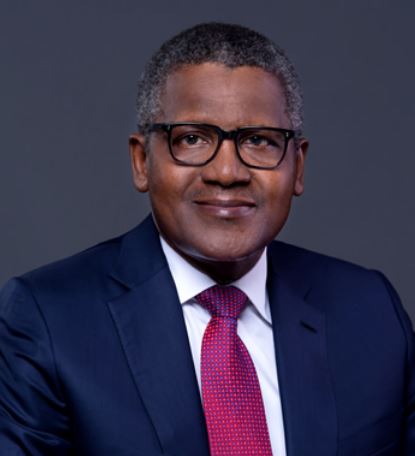
In the vast landscape of global business, few names resonate as powerfully as Aliko Dangote – a visionary entrepreneur who has single-handedly reshaped Africa’s industrial landscape and emerged as the continent’s most successful business magnate.
Early Beginnings: The Seeds of Entrepreneurship
Born in Kano, Northern Nigeria, in 1957, Aliko Dangote came from a prominent Muslim family with a strong trading background. From an early age, he displayed an extraordinary entrepreneurial spirit. While most children were focused on childhood pursuits, young Aliko was already selling candy and exploring business opportunities during his school years.
After graduating from Al-Azhar University in Egypt with a degree in business studies, Dangote returned to Nigeria with a clear vision: to build an empire that would transform African industry. What started as a small trading company in 1981 would soon become the Dangote Group, a multinational conglomerate that would change the economic trajectory of not just Nigeria, but the entire African continent.
The Dangote Empire: Building an Industrial Powerhouse
The Dangote Group’s initial focus was on trading various commodities, but Dangote quickly recognized the potential for local manufacturing. He strategically pivoted towards producing essential goods that Nigeria was importing, believing strongly in import substitution industrialization.
His most significant breakthrough came with Dangote Cement, which has become the largest cement manufacturer in Africa. The company now operates in multiple African countries, producing over 65 million metric tons of cement annually and accounting for a significant portion of the continent’s cement production.
The Dangote Refinery: A Game-Changing Milestone
In 2023, Dangote achieved what many considered impossible – completing the Dangote Refinery in Lagos, the largest single-train petroleum refinery in the world. This massive $19 billion project is set to transform Nigeria’s oil industry, potentially ending the country’s dependence on imported petroleum products and positioning Nigeria as a major oil refining hub.
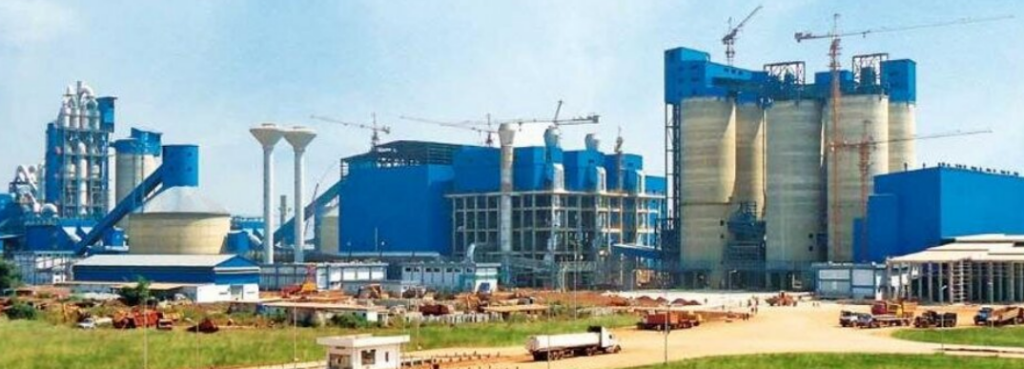
The refinery has a production capacity of 650,000 barrels per day, which is more than the entire current refining capacity of Nigeria. This project represents not just a business achievement, but a potential economic revolution for Africa’s largest economy.
Wealth and Philanthropy: Beyond Business
Consistently ranked as Africa’s wealthiest person, Dangote’s net worth exceeds $13 billion. However, his impact extends far beyond personal wealth. Through the Aliko Dangote Foundation, he has invested hundreds of millions of dollars in healthcare, education, and economic empowerment across Africa.
His philanthropic efforts have been particularly notable during global challenges like the COVID-19 pandemic, where he donated significant resources to support medical infrastructure and relief efforts.
Future Vision: Transforming African Industrialization
Dangote’s future goals are ambitious. He envisions a fully integrated African industrial ecosystem, with plans to expand into petrochemicals, fertilizers, and continue creating value-added industries across the continent. His strategy goes beyond profit – it’s about creating economic opportunities, generating employment, and reducing Africa’s dependence on imports.
Personal Philosophy: The Dangote Approach
“Control costs, focus on quality, and always think long-term” – these words encapsulate Dangote’s business philosophy. He represents a new generation of African entrepreneurs who are not just building businesses, but creating entire ecosystems of economic development.





U.S.- Canada Trade Talks Collapse; Carney Says Retaliatory Tariffs Begin September 8

Flock Cameras and the Future of Public Security

AI Infrastructure Boom Hits Physical Limits: Power, Financing, and Supply Chain Strain

Armanino adds Strategic Accounting Outsourced Solutions

New 2023 K-1 instructions stir the CAMT pot for partnerships and corporations

Tax Strategy: Employee Retention Credit update
-

 Stock News1 week ago
Nvidia Earnings Preview: What Wall Street Expects From the AI Bellwether’s Q2 Report
-

 Accounting1 week ago
SEC’s Semiannual Reporting Proposal Faces Investor Pushback: What CFOs Need to Know
-

 Finance1 week ago
Treasury Bond Volatility Forces Bessent to Double Debt Buyback Size as Yields Swing
-

 Stock News1 week ago
Nvidia Q2 FY2027 Earnings beats Wall Street Expectation with Record $96.2 Billion Revenue
-
 Technology4 days ago
AI Infrastructure Boom Hits Physical Limits: Power, Financing, and Supply Chain Strain
-
 Economics2 days ago
U.S.- Canada Trade Talks Collapse; Carney Says Retaliatory Tariffs Begin September 8
-
 Technology2 days ago
Flock Cameras and the Future of Public Security