
Finance
Higher rates to linger, Fed may make cuts in September

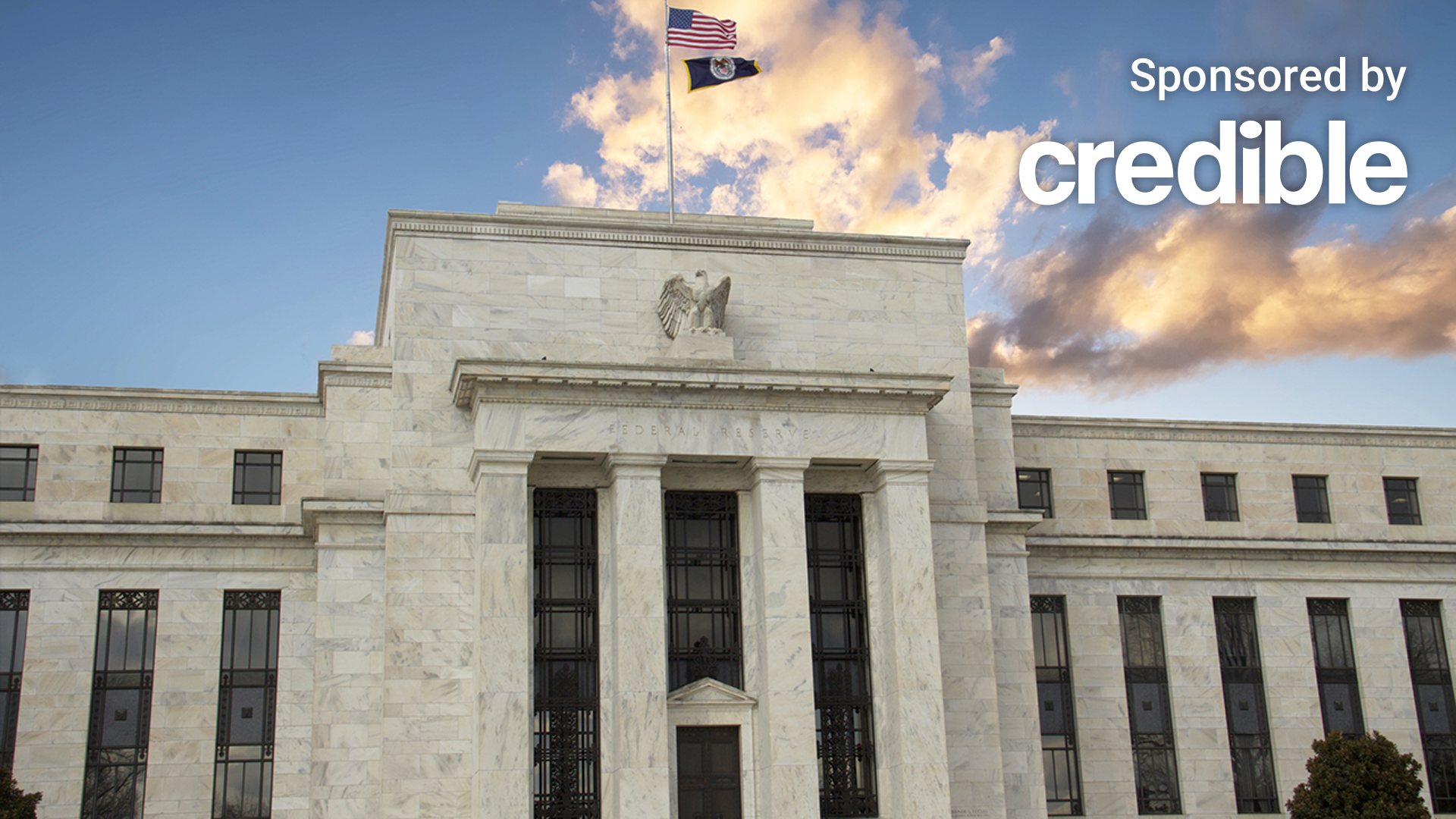
Market expectations are calling for two interest rate cuts before the end of the year. (iStock)
The Federal Reserve announced plans on Wednesday to keep the federal funds rate range at 5.25% to 5.5%, where rates have held steady since last July.
Fed Chair Jerome Powell told reporters that the central bank has gained greater confidence that inflation is moving towards its 2% target rate, indicating that rates were not lowered this time but could soon be. Market expectations are forecasting a 25 basis point rate cut by the central bank’s September meeting. On Wednesday, the Mortgage Bankers Association said they anticipate two rate cuts this year, with the expectation that inflation will continue to moderate.
“The Fed is walking a tightrope regarding the nation’s economy as it seeks to balance the risks of a slowing labor market while ensuring continued disinflation,” CoreLogic Chief Economist Dr. Selma Hepp. “At this point, the odds of soft-landing keep growing, but there will not be any actions until their next meeting in September. Lower mortgage rates in recent weeks suggest the mortgage markets are also anticipating a rate cut, which should boost buyer demand at the end of the year.”
Homebuyers can find competitive mortgage rates by shopping around and comparing options. You can visit an online marketplace like Credible to compare rates with multiple lenders at once.
MIDDLE-INCOME AMERICANS FEEL MORE OPTIMISM ABOUT FINANCES AND ECONOMY’S DIRECTION: SURVEY
Rate reduction could spur borrowing
Consumers could finally start to see some relief with the possibility of two rate reductions for 2024 still on the table, according to Michele Raneri, vice president and head of U.S. research and consulting at TransUnion.
Lower rates will likely grow consumer demand for credit for large purchases such as homes and autos. Mortgage rates have already started to drop as the likelihood of interest rate cuts heats up and early indicators suggest that consumers are becoming more interested in new mortgages, according to Raneri.
“Consumers continue to have demand for credit, although when it comes to extending new credit, lenders have begun pivoting more to those consumers in higher credit risk tiers as a way of mitigating risk,” Raneri said. “It remains to be seen if a reduction in interest rates allows for credit to once again be more accessible for riskier potential borrowers. “
Using a personal loan to pay off high-interest debt at a lower rate could help you reduce your expenses and put money back in your wallet. Visit Credible to find your personalized interest rate today.
U.S. consumer cuts back on economic activity
Most U.S. consumers think interest rates are too high and have had to cut back on spending as a result, according to a recent Morning Consult survey. Over half (68%) of respondents said rates were to say it’s affected their household finances. As a result, 75% have cut back on non-essential spending and 63% have reduced their spending on essentials.
Moreover, even as the Fed has signaled that it plans to do at least one rate cut this year, 34% of respondents believe that interest rates will be higher at this point next year (34%) than lower (25%).
“The Fed decided today to not reduce interest rates and did not give a clear signal that a decrease would be coming in September,” Morning Consult economist Sofia Baig said. “Continuing to keep rates elevated could be harmful for consumers and the economy as a whole, which is already showing signs of cooling. Furthermore, Morning Consult survey data reveals that a majority of consumers believe rates are too high and are cutting back on their economic activity as a result, a warning sign of downside risks going forward.”
If you’re worried about the state of the economy, you could consider paying down high-interest debt with a personal loan at a lower interest rate. Visit Credible to speak with a personal loan expert and get your questions answered.
HIGH HOMEOWNERS INSURANCE RATES SCARING AWAY FLORIDA HOMEBUYERS, OTHER STATES FACE THE SAME ISSUE
Have a finance-related question, but don’t know who to ask? Email The Credible Money Expert at [email protected] and your question might be answered by Credible in our Money Expert column.




S&P 500 September Outlook: Tech Rally Holds Index at 7,600

India Unveils ‘Saptadhara’ Reform Agenda Targeting Technology, Youth Skilling, and Growth

S&P 500 Outperforms Amid Strong Corporate Earnings as Treasury Yields Cap Equity Multiples

Armanino adds Strategic Accounting Outsourced Solutions

New 2023 K-1 instructions stir the CAMT pot for partnerships and corporations

Tax Strategy: Employee Retention Credit update
-

 Stock News1 week ago
Nvidia Q2 FY2027 Earnings beats Wall Street Expectation with Record $96.2 Billion Revenue
-

 Technology6 days ago
AI Infrastructure Boom Hits Physical Limits: Power, Financing, and Supply Chain Strain
-

 Economics4 days ago
U.S.- Canada Trade Talks Collapse; Carney Says Retaliatory Tariffs Begin September 8
-

 Technology4 days ago
Flock Cameras and the Future of Public Security
-
 Stock News1 hour ago
S&P 500 September Outlook: Tech Rally Holds Index at 7,600
-

 Insights2 hours ago
Climate Resilience and Offshore Wind and Land Restoration Milestones
-

 Accounting2 hours ago
Mandatory ESG Reporting Standards Demand Standardized Non-Financial Audit Trails
-
 Finance2 hours ago
S&P 500 Outperforms Amid Strong Corporate Earnings as Treasury Yields Cap Equity Multiples