
Personal Finance
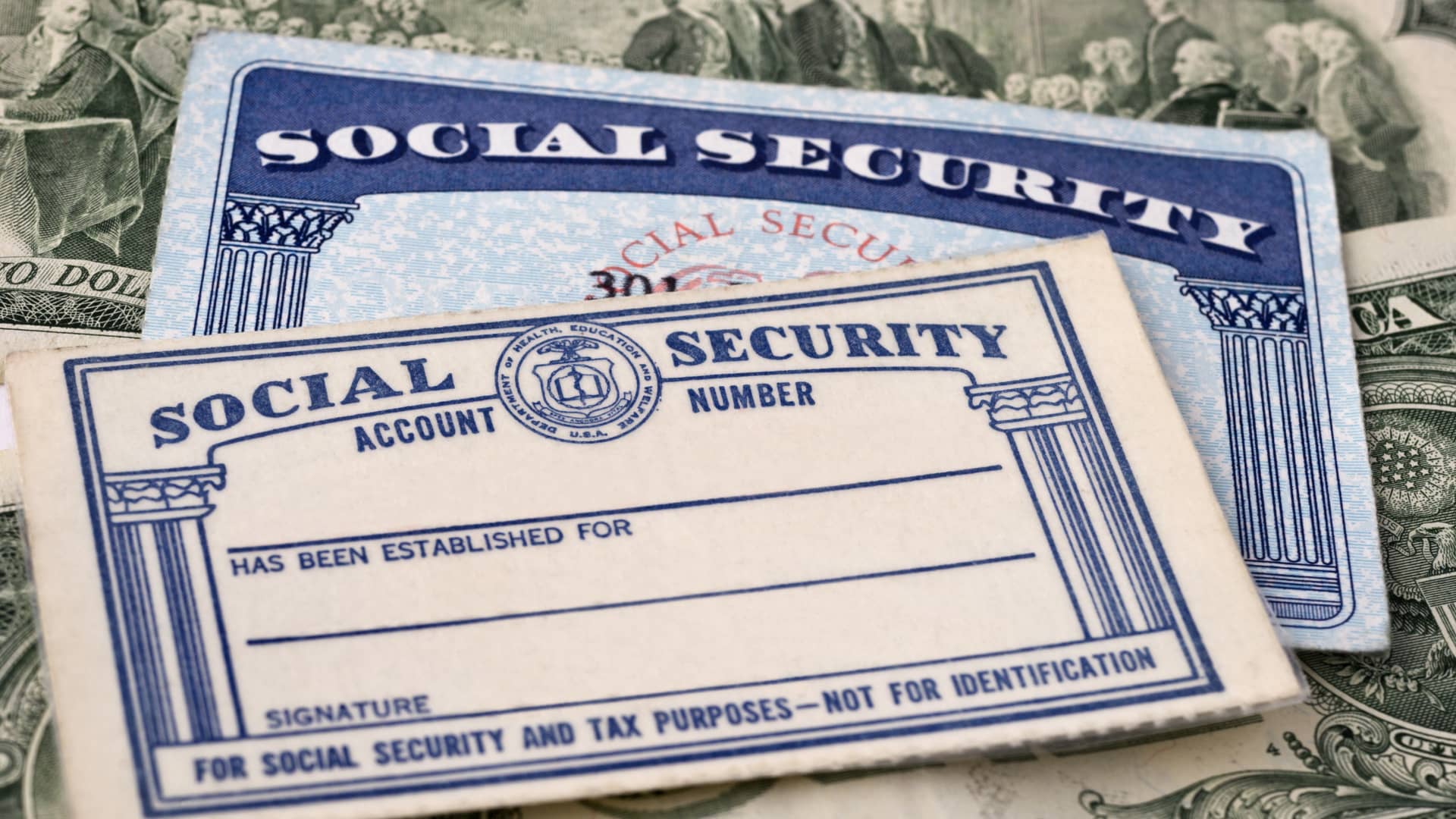
Social Security cards to go digital

Richcano | E+ | Getty Images
For many Americans, a Social Security number is the first form of identification they receive, mailed as a paper card a few weeks after birth.
Now, the Social Security Administration is looking to give that form of ID an update by enabling secure digital access to Social Security numbers that will provide an alternative to the traditional Social Security card. Experts are cautiously optimistic about the idea, but have some security concerns.
The new digital feature will allow individuals who have either forgotten their Social Security number or who have lost their Social Security cards to access their personal number online through the agency’s My Social Security website. They will also be able to access their Social Security numbers through digital devices and display them as identification for “reasons other than handling Social Security matters,” according to the agency.
More from Personal Finance:
Social Security reduces benefit clawback rate
Trump administration restarts student loan collections
What experts say about claiming Social Security benefits early
With the new effort, the Social Security Administration aims to reduce the inconveniences caused by lost or stolen cards, which currently requires individuals to apply for replacements either online or in person.
“We believe that this modern approach will meet the needs of our constituents in a more efficient manner,” Social Security Administration acting commissioner Lee Dudek said in a statement.
The agency declined to provide more details the rollout, which is scheduled to become available early this summer.
Experts worry about access, ID theft protections
Experts are cautiously optimistic about the change.
“Generally, anything that is a new avenue for accessing your account or in an interaction with Social Security is a good thing, so long as it’s easy and secure,” said Richard Fiesta, executive director at the Alliance for Retired Americans.
However, the risk is that some individuals, particularly those who are older or disabled, may be left without access if they are not as tech savvy and have difficulty using the internet or mobile phones, he said.
My Social Security is “not the most customer friendly website,” Fiesta said, despite efforts to improve it over the years.

The move toward digital Social Security identification is “certainly a step in the right direction,” said Eva Velasquez, CEO of the Identity Theft Resource Center.
If implemented properly, the digital Social Security numbers may provide more security than paper cards, she said.
“But it really doesn’t solve the problem of identity misuse,” Velasquez said.
Every adult’s Social Security number has likely already been breached, according to Velasquez. The size of the 2024 National Public Data breach prompted some experts to speculate every American could have been affected. The 2017 Equifax breach was estimated to have affected roughly half the U.S. population.
The new process will raise questions as to how to protect both the Social Security numbers and the devices on which they are accessed, she said.
Ultimately, the U.S. in the future will likely move toward a federated identity system, where a user’s identity can be verified with biometric data like fingerprints and facial recognition that is linked across multiple systems, said Cliff Steinhauer, director of information security and engagement at The National Cybersecurity Alliance.
“There’s going to be a future where there’s a clean internet, where everyone that uses it has authenticated with this federated, proven identity so that nobody can pretend to be anybody else,” Steinhauer said.
The Social Security Administration’s move is a first step toward digital identification, though it does not appear to include biometric authentication, he said.
Because there will be risk for fraud, it will be important for the Social Security Administration to make sure its systems are properly protected, Steinhauer said. There should also be phishing-resistant authentication installed to ensure that only authorized individuals access the accounts, he said.
It will be important for individuals to verify that any messages that allegedly come from the Social Security Administration do, in fact, take them to a verified Social Security website.
Any messages the agency sends out, such as a reminder to log in and check an account, could be copied for phishing purposes, Steinhauer said.


Personal Finance
Next-Generation Retirement Planning: Managing Longevity Risk and Variable Income Streams


U.S.- Canada Trade Talks Collapse; Carney Says Retaliatory Tariffs Begin September 8

Flock Cameras and the Future of Public Security

AI Infrastructure Boom Hits Physical Limits: Power, Financing, and Supply Chain Strain

Armanino adds Strategic Accounting Outsourced Solutions

New 2023 K-1 instructions stir the CAMT pot for partnerships and corporations

Tax Strategy: Employee Retention Credit update
-

 Stock News1 week ago
Nvidia Earnings Preview: What Wall Street Expects From the AI Bellwether’s Q2 Report
-

 Accounting1 week ago
SEC’s Semiannual Reporting Proposal Faces Investor Pushback: What CFOs Need to Know
-

 Stock News1 week ago
Nvidia Q2 FY2027 Earnings beats Wall Street Expectation with Record $96.2 Billion Revenue
-

 Finance1 week ago
Treasury Bond Volatility Forces Bessent to Double Debt Buyback Size as Yields Swing
-
 Technology5 days ago
AI Infrastructure Boom Hits Physical Limits: Power, Financing, and Supply Chain Strain
-
 Technology3 days ago
Flock Cameras and the Future of Public Security
-
 Economics3 days ago
U.S.- Canada Trade Talks Collapse; Carney Says Retaliatory Tariffs Begin September 8