
Personal Finance
Social Security is a key election issue, CNBC poll finds

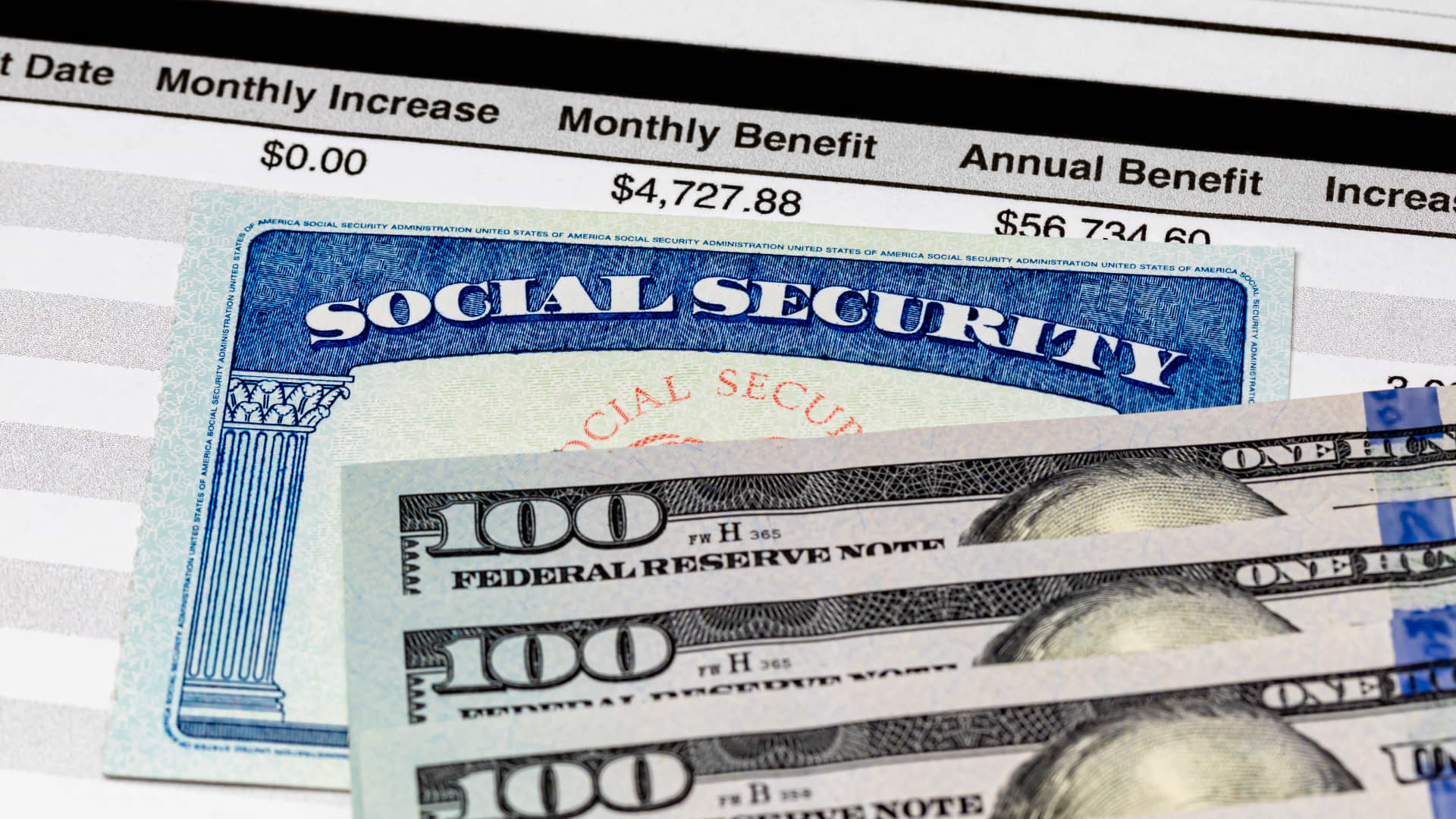
Jj Gouin | Istock | Getty Images
Most Americans rank Social Security as “one of the top” issues or a “very important” issue determining who they will vote for in the upcoming U.S. presidential election, according to a new CNBC poll.
Social Security reform is also a top concern, according to a separate survey from the Nationwide Retirement Institute. The majority of respondents said that a candidate’s stance on the topic would be a major factor in their vote.
CNBC polled 1,001 registered voters July 31-Aug. 4. Nationwide’s poll, conducted April 19-May 13, surveyed 1,831 adults “who currently receive or expect to receive Social Security.”
Absent action from Congress, the trust fund that pays Social Security benefits is due to run out in 2033. At that time, only 79% of benefits will be payable.
With uncertainty about the future funding of this government program, which guarantees a lifetime income stream in retirement, 72% of adults worry the Social Security system will run out of funding in their lifetime, according to Nationwide.
In the 11 years that Nationwide’s annual survey has been conducted, “we haven’t seen that level of interest in Social Security reform and in wanting to make sure that Social Security is going to be there again,” said Tina Ambrozy, a senior vice president at Nationwide. “That spans across generations; even millennials are one of the most concerned groups.”
Social Security benefits are a major source of income for nearly every retiree. This year, almost 68 million Americans will receive a monthly Social Security benefit, totaling about $1.5 trillion in benefits paid. Retired workers receive an average of $1,918 per month, according to the agency.
Yet research shows that many people don’t understand how the Social Security system works or how they can maximize their benefits. “When individuals don’t understand it, but yet they’re concerned about it, that creates an incredible amount of anxiety,” Ambrozy said.
Here are five key steps to help ease the stress and help you plan how to maximize your Social Security benefits in retirement:
1. Know your full retirement age
Some people may confuse the full retirement age of Social Security — when you’re eligible for 100% of your benefits earned — with the Medicare eligibility age of 65. According to the Nationwide survey, one-third of Americans are uncertain about the age at which they are or were eligible for full Social Security retirement benefits. Here’s what you need to know:
For most people retiring today, their full retirement age is somewhere between 66 and 67.
- If you were born between 1943 and 1954, your full retirement age is 66.
- If you were born in 1960 or later, your full retirement age is 67.
- The full Social Security retirement age gradually increases from 66 to 67 for people born between 1954 and 1960.
2. Determine the impact of when you claim benefits
The earliest age at which you are eligible for Social Security benefits is 62, but you won’t receive full benefits until your full retirement age. If you claim Social Security before that point, your benefits will be permanently reduced. For example, if you claim benefits at 62, and your full retirement age is 67, your benefit could be reduced by as much as 30%. By waiting until full retirement age, you can receive up to 100% of the benefits you’ve earned.
Waiting until age 70 gets you the biggest benefit payments. If you delay claiming Social Security retirement benefits past your full retirement age and up to age 70, you could receive an 8% benefit increase each year. Still, some experts say waiting may not be wise if you’re in poor health or really need the money.
3. Get a benefits estimate from ssa.gov.
Only 11% of Americans who aren’t retired say they know exactly how much in benefits they stand to receive, according to new research from the National Institute on Retirement Security. Yet you don’t have to be retired or near retirement to start gauging how much income in Social Security benefits you may be eligible to receive.
You can double-check your full retirement age and get a statement with your earnings history and estimated retirement benefits from ages 62 to 70 by creating a “My Social Security” account on the Social Security Administration’s website at ssa.gov. If you’re 60 or older and don’t have a “My Social Security” account, you’ll get a statement by mail three months before your birthday.
Even if you’re decades away from retirement, this statement will still give you an idea of how much of your income may be replaced by Social Security, as long as you continue to work and make wages that are in line with inflation.
“An exact amount can’t really be determined until you’re retired, but you can get a pretty reliable estimate each year from the Social Security Administration,” said NIRS research director Tyler Bond.
4. Fix any errors in your earnings history
One important reason to check Social Security benefit statements is to ensure that there are no errors in your earnings history. It’s a good idea to review your Social Security statement annually to double-check your wage history as it is updated, experts say. Mistakes may be less likely for W-2 workers, but if you are self-employed or hold multiple jobs in one year, errors can happen.
To have your earnings record corrected, you can take your W-2 form, pay slip or tax return, including Schedule SE if you’re self-employed, to your local Social Security Administration office. To schedule an appointment or get help by phone, call the agency’s help line at 1-800-772-1213. You may also be able to request a correction online at ssa.gov.

Before entering any information for the Social Security Administration online, make sure the link is to a secure “.gov” website. Don’t just click on email links; instead, enter “SocialSecurity.gov” or “SSA.gov” in the search address bar.
5. Coordinate Social Security benefits with other assets
It’s important to think about what role Social Security benefits will play in your life in retirement.
List all the potential retirement resources available to you, including pensions, 401(k) or other workplace plan savings, individual retirement accounts, or IRAs, and other financial resources, such as proceeds from a home sale. That can help you figure out the role Social Security benefits will play in your overall picture for retirement.
Some experts say 401(k), 403(b) and other workplace savings accounts can serve as a bridge to delay claiming Social Security benefits. For example, if you have a modest amount of 401(k) savings and you plan to withdraw about 4% a year from that account in retirement, you may choose to use that money to pay expenses for a few years and wait to claim your Social Security benefits.
“If you can delay claiming until after your full retirement age, you’ll permanently lock in a higher benefit amount,” Bond said.
If you’re married, it may be beneficial to consider whether it makes more financial sense for the higher-earning spouse to delay claiming Social Security or whether to take it early if one spouse is in poor health. Working through various scenarios with a financial professional may be helpful.

If you’re divorced but were married to a higher-earning ex-spouse for at least 10 years, don’t forget that you may be entitled to the spousal benefit on their record — and you don’t even need to contact them to find out that amount.
Although Social Security was never intended to be the sole source of retirement income, for many retirees it’s all the money they have. Factoring in other potential sources of retirement income should be a part of a broader financial plan that is in place long before you retire, Ambrozy said. “It’s never too early to have a plan.”
SIGN UP: Money 101 is an eight-week newsletter series to improve your financial wellness. For the Spanish version, Dinero 101, click here.

Personal Finance
Next-Generation Retirement Planning: Managing Longevity Risk and Variable Income Streams


S&P 500 September Outlook: Tech Rally Holds Index at 7,600

India Unveils ‘Saptadhara’ Reform Agenda Targeting Technology, Youth Skilling, and Growth

S&P 500 Outperforms Amid Strong Corporate Earnings as Treasury Yields Cap Equity Multiples

Armanino adds Strategic Accounting Outsourced Solutions

New 2023 K-1 instructions stir the CAMT pot for partnerships and corporations

Tax Strategy: Employee Retention Credit update
-

 Stock News1 week ago
Nvidia Q2 FY2027 Earnings beats Wall Street Expectation with Record $96.2 Billion Revenue
-

 Technology6 days ago
AI Infrastructure Boom Hits Physical Limits: Power, Financing, and Supply Chain Strain
-

 Economics4 days ago
U.S.- Canada Trade Talks Collapse; Carney Says Retaliatory Tariffs Begin September 8
-

 Technology4 days ago
Flock Cameras and the Future of Public Security
-

 Insights1 hour ago
Climate Resilience and Offshore Wind and Land Restoration Milestones
-
 Stock News2 minutes ago
S&P 500 September Outlook: Tech Rally Holds Index at 7,600
-

 Accounting1 hour ago
Mandatory ESG Reporting Standards Demand Standardized Non-Financial Audit Trails
-
 Finance39 minutes ago
S&P 500 Outperforms Amid Strong Corporate Earnings as Treasury Yields Cap Equity Multiples