
Accounting
Taxpayer Advocate spotlights IRS delays in ERC claims and ID theft assistance, but sees improvements in IRS

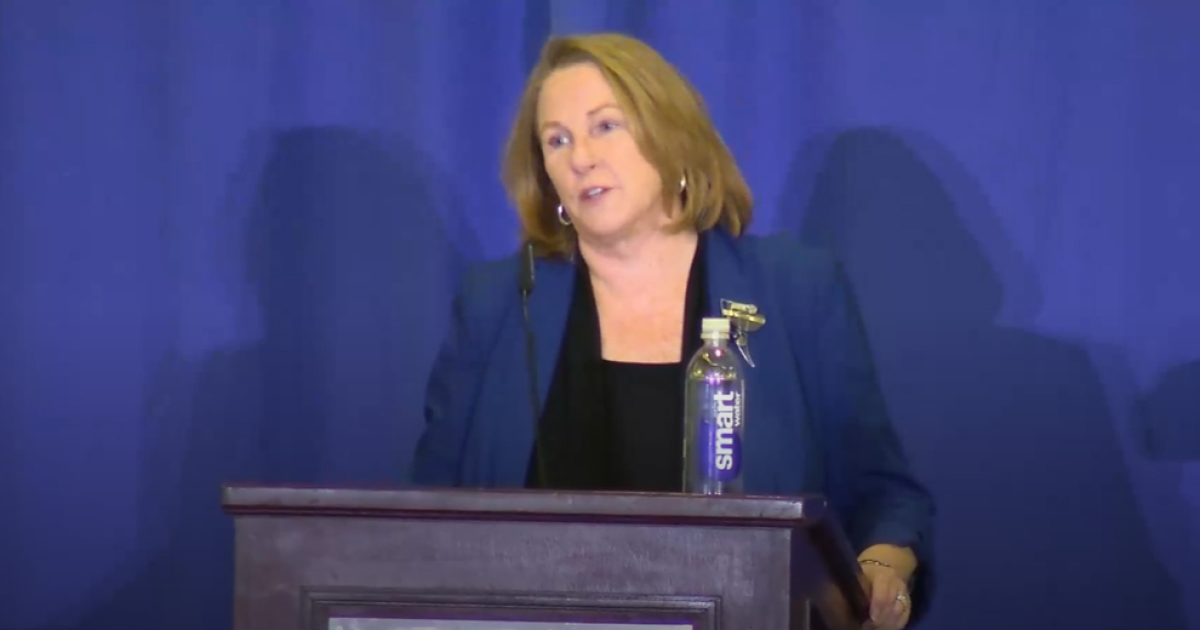

National Taxpayer Advocate Erin Collins released her
“For the first time since I became the National Taxpayer Advocate in 2020, I can begin this report with good news: The taxpayer experience has noticeably improved,” Collins wrote. “In 2024, taxpayers and practitioners experienced better service, generally received timely refunds, and faced shorter wait times to reach customer service representatives…. After receiving multiyear funding, the IRS has [also] made major strides toward improving its taxpayer services and information technology (IT) systems.”
However, the IRS faces a
In her report, Collins criticized the long wait times for legitimate claims. She noted that as of Oct. 26, 2024, the IRS faced a backlog of about 1.2 million ERC claims, with many claims pending for over a year. While the IRS has valid concerns about paying ineligible claims, the slow processing time is harming many eligible businesses that are relying on these funds to pay expenses, Collins noted. Other concerns include lack of transparency for businesses trying to track the status of their claims; confusing disallowance letters that have omitted critical information; the use of audit-like procedures for disallowed claims without standard taxpayer audit protections; and significant delays for businesses whose refund checks were stolen and have waited months or longer to receive replacement checks. After the National Taxpayer Advocate’s report went to press, Werfel announced in mid-December he expects that approximately 500,000 additional claims will be processed in 2025, but the details and timing of the refunds are still to be determined, Collins noted.
Identity theft victim assistance
The report also pointed to continuing delays in resolving identity theft cases. For cases closed by the IRS’s Identity Theft Victim Assistance unit in fiscal year 2024, the average time it took the IRS to resolve ID cases and issue refunds to the affected victims was nearly two years. The delays affected nearly half a million taxpayers and were even worse than the delays seen in FY 2023, when cases took almost 19 months to resolve. Collins called the delays “unconscionable” and recommended the IRS prioritize identity theft case resolution by keeping all IDTVA employees focused on these cases instead of reassigning them to other tasks during the filing season. She urged the IRS to reduce case resolution times to 90 days or less.
Taxpayer service and tech upgrades
Collins stressed the need for adequate funding to support critical taxpayer services and technology upgrades. She noted that the bulk of the nearly $80 billion in multiyear IRS funding provided by the Inflation Reduction Act was allocated for tax law enforcement and has been controversial. She also notes, however, that there has been bipartisan support for the smaller amounts allocated for taxpayer services and IT modernization. Stressing the importance of taxpayer services funding, she urged Congress, if it cuts IRA enforcement funding, not to make commensurate cuts to taxpayer services and IT. Congress should not, Collins urged, “inadvertently throw out the baby with the bathwater.”
The report pointed to a number of examples of improvements the IRS has made using its multiyear funding. Taxpayer services funding has enabled the IRS to hire more customer service representatives, allowing the agency to answer nearly 9 million more telephone calls than two years earlier and to cut in half the average time needed to process individual taxpayer correspondence from about seven months to about three and a half months. The IRS has also expanded in-person help at its Taxpayer Assistance Centers, adding evening and weekend service in many locations to accommodate taxpayers who are unable to visit during normal business hours.
Business Systems Modernization funding has enabled taxpayers to resolve issues without the involvement of an IRS employee. With these improvements, taxpayers can now get more information and transact more business with the IRS through their online accounts, use voicebots and chatbots to get answers to many of their questions, submit correspondence to the IRS electronically and communicate with the IRS through secure messaging in pending cases. The IRS now allows taxpayers to submit 30 of the most common taxpayer forms from mobile devices, helping the estimated 15% of Americans who rely solely on their smartphones for internet access.
Tax return processing delays
The report noted that continuing delays in IRS return processing are frustrating taxpayers and causing tax refund delays. The IRS receives more than 10 million paper-filed Forms 1040 each year and over 75 million paper-filed returns and forms. Until recently, IRS employees had to manually transcribe the data from those returns into IRS systems. While the IRS has made progress on automating return processing by scanning more than half of paper-filed returns and forms, it still has a long way to go to digitize all paper. E-filed returns are sometimes rejected, and nearly 18 million (about 12%) of e-filed Forms 1040 were rejected in the past year. The IRS generally rejects returns flagged by its fraud detection filters, but most rejected returns are valid, requiring taxpayers to jump through additional hoops to resubmit their returns electronically or submit their returns on paper. The report discusses the strain this puts on taxpayers, especially low-income taxpayers who are eligible for refundable Earned Income Tax Credit benefits. The Taxpayer Advocate Service recommends the IRS continue its efforts to automate tax processing including digitizing nearly all paper-filed returns by the 2026 filing season and enabling electronic processing of amended tax returns.
While taxpayer service has improved across the IRS’s three main channels — telephone, in-person and online — the report found significant service gaps remain. The IRS achieved an 88% “Level of Service” on its Accounts Management lines during the filing season, but this measure excludes calls directed to telephone lines that fall outside the “Accounts Management” umbrella (30% of all calls in FY 2024), calls where a taxpayer hangs up before being placed in a calling queue, and calls made outside the filing season. Overall, the level of service for all toll-free lines in FY 2024 was just 56%, with only 31% of callers reaching an assistor. Of the 6.2 million calls the IRS received from taxpayers whose returns had been stopped by the IRS’s identify theft filters and who were calling to authenticate their identities, the IRS answered only about 20%. This has left millions of taxpayers without the support they need. TAS recommends the IRS adopt more accurate service metrics and prioritize answering non-Accounts Management telephone lines that serve largely vulnerable taxpayer populations. Among these are the Installment Agreement/Balance Due, Taxpayer Protection Program, and Automated Collection System telephone lines.
Werfel response
IRS Commissioner Danny Werfel responded to the report. “The National Taxpayer Advocate’s report recognizes that the IRS has made historic progress over the last two years improving phone, online and in-person services by reducing wait times on toll-free lines, providing enhanced technology and adding new digital tools,” Werfel said in a statement. “These improvements reflect what a well-funded IRS can do to help taxpayers and tax professionals on many issues, including delivering tax refunds quickly to more than 100 million taxpayers. It’s important to continue that momentum because we recognize the agency’s work isn’t done – not by a longshot. It’s vital that the IRS continue this progress to better serve taxpayers and the nation. The IRS has already made improvements in many of the areas outlined by the Taxpayer Advocate and will continue to do so in 2025. But as the Taxpayer Advocate noted, having sufficient resources is critical to the IRS since so many of our efforts require improving digital options and capabilities while having enough staff to process tax returns, manage correspondence and answer phone calls year-round.”
Employee recruitment challenges
The report pointed to continuing challenges in employee recruitment, hiring, training and retention at the IRS. It noted the IRS faces ongoing difficulties in hiring, training and maintaining employees. Job postings aren’t consistently targeted to reach the desired candidates. The IRS often takes several months to hire new employees, leading some candidates to accept other offers. New hires require a great deal of training before they can become productive employees, and experienced employees often need to be reassigned to train them. A Congressional Budget Office study published in 2024 found that federal employees with professional degrees earn almost 29% less than their non-federal counterparts, making it harder for the IRS to compete in the tight job market. The report recommended the IRS explore alternative recruitment platforms, review pay disparities and implement strategies to improve employee retention.
Minimum competency for preparers
The report also recommended Congress authorize the IRS to establish minimum competency standards for federal tax return preparers and revoke the identification numbers of sanctioned preparers. It noted the IRS receives over 160 million individual income tax returns each year, and most are prepared by paid tax return preparers. While some tax return preparers must meet licensing requirements (such as CPAs, attorneys and Enrolled Agents), most tax return preparers are not credentialed. Numerous studies have found that non-credentialed preparers prepare inaccurate returns disproportionately, causing some taxpayers to overpay their taxes and other taxpayers to underpay their taxes, which subjects them to penalties and interest charges. Non-credentialed preparers also drive much of the high improper payments rate attributable to wrongful EITC claims, the report noted. In FY 2023, 33.5% of EITC payments, amounting to $21.9 billion, were estimated to be improper, and among tax returns claiming the EITC prepared by paid tax return preparers, 96% of the total dollar amount of EITC audit adjustments was attributable to returns prepared by non-credentialed preparers.
The report noted that federal and state laws generally require lawyers, doctors, securities dealers, financial planners, actuaries, appraisers, contractors, motor vehicle operators, and barbers and beauticians to obtain licenses or certifications and, in most cases, to pass competency tests. The Obama, first Trump and Biden administrations have each recommended that Congress authorize the Treasury Department to establish minimum competency standards for federal tax return preparers. To protect taxpayers and the public, TAS likewise recommends Congress provide this authorization as well as authorization for the Treasury Department to revoke the Preparer Tax Identification Numbers of preparers who have been sanctioned for improper conduct.
The report called for expanding the U.S. Tax Court’s jurisdiction to hear refund cases. Under current law, taxpayers seeking to challenge an IRS tax-due adjustment can file a petition in the U.S. Tax Court, while taxpayers who have paid their tax and are seeking a refund must file suit in a U.S. district court or the U.S. Court of Federal Claims. Litigating a case in a U.S. district court or the Court of Federal Claims is generally more challenging, as the filing fees are relatively high, rules of civil procedure are complex, the judges generally do not have tax expertise and proceeding without a lawyer is difficult. By contrast, taxpayers litigating their cases in the Tax Court face a low $60 filing fee, may follow less formal procedural rules, are generally assured their positions will be fairly considered because of the tax expertise of the Tax Court’s judges, even if they do not present their arguments effectively, and can more easily represent themselves. For these reasons, the requirement that refund claims be litigated in a U.S. district court or the Court of Federal Claims effectively deprives many taxpayers of the right to judicial review of an IRS refund disallowance. In FY 2024, about 97% of all tax-related litigation was adjudicated in the Tax Court. TAS recommended Congress expand the jurisdiction of the Tax Court to give taxpayers the option to litigate all tax disputes, including refund claims, in that forum.
Other recommendations in the report included enabling the Low Income Taxpayer Clinic program to assist more taxpayers in controversies with the IRS. The LITC program assists low-income taxpayers and taxpayers who speak English as a second language. When the LITC program was established as part of the IRS Restructuring and Reform Act of 1998, the law limited annual grants to no more than $100,000 per clinic. The law also imposed a 100% “match” requirement, so a clinic cannot receive more in grant funds than it raises from other sources. The nature and scope of the LITC Program have evolved considerably since 1998, and those requirements are preventing the program from expanding assistance to a larger universe of eligible taxpayers. TAS recommended Congress remove the per-clinic cap and allow the IRS to reduce the match requirement to 25%, where doing so would expand coverage to additional taxpayers.
The report also recommended requiring the IRS to timely process claims for refund or credit. It noted millions of taxpayers file refund claims with the IRS each year. Under current law, there is no requirement that the IRS pay or deny them. It may simply ignore them. The taxpayers’ remedy is to file suit in a U.S. district court or the U.S. Court of Federal Claims. For many taxpayers, that is not a realistic or affordable option. The report says the absence of a processing requirement is a “poster child” for non-responsive government. While the IRS generally does process refund claims, the claims can and sometimes do spend months and even years in administrative limbo within the IRS. The report recommended Congress require the IRS to act on claims for credit or refund within one year and impose certain consequences on the IRS for failing to do so.
The report also recommended allowing the limitation on theft loss deductions in the Tax Cuts and Jobs Act to expire so scam victims aren’t taxed on the amounts stolen from them. Many financial scams involve the theft of retirement assets, the report noted. In a typical scam, a con artist may pose as a law enforcement officer, convince a victim that her retirement savings are at risk and persuade the victim to transfer her retirement savings to an account that the scammer controls. Then, the scammer absconds with the funds. Under the tax code, the victim’s withdrawal of funds from a retirement account is treated as a distribution subject to income tax and, if the victim is under age 59½, to a 10% additional tax as well. Thus, the victim may not only lose her life savings but also owe significant tax on the stolen funds. Prior to 2018, scam victims generally could claim a theft loss deduction to offset the stolen amounts included in gross income, but the Tax Cuts and Jobs Act eliminated the deduction. TAS recommends Congress allow this TCJA limitation to expire so the theft deduction is again available in these circumstances. Congress is currently planning to take up the expiring provisions of the Tax Cuts and Jobs Act this year.





U.S. Inflation Outlook for 2027

S&P 500 September Outlook: Tech Rally Holds Index at 7,600

India Unveils ‘Saptadhara’ Reform Agenda Targeting Technology, Youth Skilling, and Growth

Armanino adds Strategic Accounting Outsourced Solutions

New 2023 K-1 instructions stir the CAMT pot for partnerships and corporations

Tax Strategy: Employee Retention Credit update
-

 Technology1 week ago
AI Infrastructure Boom Hits Physical Limits: Power, Financing, and Supply Chain Strain
-
 Stock News4 days ago
S&P 500 September Outlook: Tech Rally Holds Index at 7,600
-

 Economics1 week ago
U.S.- Canada Trade Talks Collapse; Carney Says Retaliatory Tariffs Begin September 8
-

 Finance4 days ago
S&P 500 Outperforms Amid Strong Corporate Earnings as Treasury Yields Cap Equity Multiples
-

 Technology1 week ago
Flock Cameras and the Future of Public Security
-

 Insights4 days ago
Climate Resilience and Offshore Wind and Land Restoration Milestones
-

 Accounting4 days ago
Mandatory ESG Reporting Standards Demand Standardized Non-Financial Audit Trails
-
 Leaders4 days ago
India Unveils ‘Saptadhara’ Reform Agenda Targeting Technology, Youth Skilling, and Growth