
Technology
AI for Business Transformation and its Disruptive Impact in 2025 and Beyond

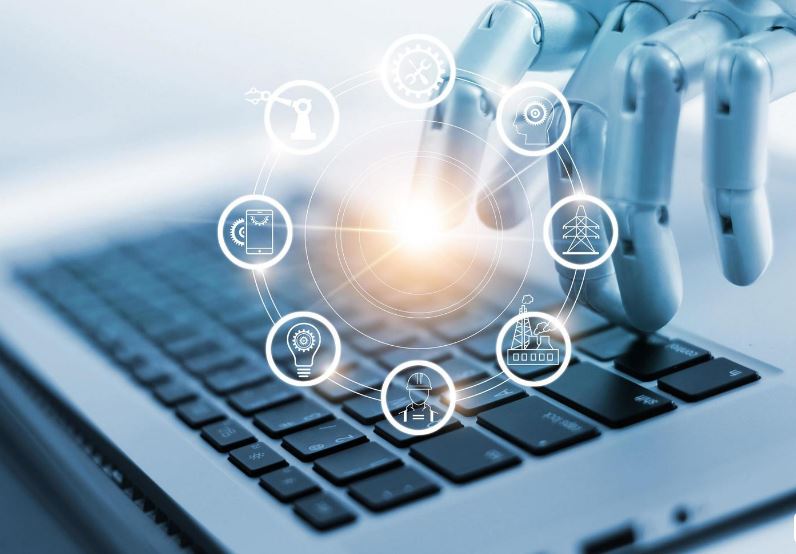
Artificial intelligence (AI) is transforming the fabric of industries worldwide. With its rapid advancements, increasing integration into daily life, and widespread investment, AI’s impact is undeniable. AI is already embedded in many aspects of our lives, from personalized streaming recommendations, AI for Business Transformation to more complex tasks like medical imaging and predictive finance. But as we look toward 2025 and beyond, the question is not if AI will disrupt industries but how profoundly it will reshape them. This blog post will explore some of the key AI trends and industry-specific disruptions on the horizon, highlighting the changes and challenges that businesses and society must prepare to face.
Key AI Trends and Their Disruptive Potential
AI and machine learning (ML) are making it easier for businesses to automate repetitive tasks, enhance decision-making, and deliver personalized experiences. For instance, in retail, AI algorithms can analyze customer data to tailor recommendations, creating a customized shopping experience. In finance, AI-powered tools can assess credit risks with precision, allowing for more accurate loan decisions. In healthcare, machine learning models analyze massive amounts of data to assist doctors in diagnosing diseases at an early stage. And in cybersecurity, AI is becoming essential for detecting and preventing sophisticated cyber threats, protecting both personal and organizational data from malicious actors. These applications illustrate AI’s potential to automate complex tasks and improve decision-making in diverse industries.
Generative AI, another rapidly growing field, is pushing the boundaries of creativity and innovation. This technology can create entirely new content—from art and music to written material and even scientific hypotheses—based on existing data patterns. In marketing, generative AI helps create personalized ad campaigns and product descriptions. In entertainment, AI tools are used to generate scripts, animations, and music. In education, generative AI is being used to develop customized learning content for students, adapting in real time to each individual’s pace and style of learning. The potential of generative AI to produce fresh, high-quality content and accelerate research could transform these fields profoundly.
AI-powered automation, or hyperautomation, is also set to revolutionize how businesses operate. By automating complex processes, hyperautomation minimizes human intervention, boosts productivity, and lowers costs. In manufacturing, AI-driven automation manages everything from quality control to supply chain management, optimizing each step for efficiency. In logistics, AI optimizes delivery routes and inventory systems, ensuring goods reach consumers faster and with less waste. Meanwhile, in customer service, AI chatbots and virtual assistants are handling a growing number of queries, offering support at any time of day, reducing the need for human agents. Hyperautomation is thus creating streamlined, efficient systems across many industries.
Industry-Specific Disruptions
AI’s impact will vary by industry, but certain sectors are poised to see especially transformative changes. In retail, AI is creating personalized shopping experiences, which lead to greater customer satisfaction and loyalty. For instance, cashierless stores are powered by AI systems that track purchases in real time, eliminating checkout lines. Advanced AI tools optimize inventory management by predicting demand and reducing waste. With smarter supply chain systems, retailers can ensure products are stocked and ready for customers at all times, enhancing the consumer experience and reducing costs.
In the finance sector, AI is fundamentally reshaping the approach to fraud detection, risk assessment, and customer engagement. Banks use AI algorithms to detect unusual spending patterns and prevent fraud before it happens. Risk assessment models powered by AI analyze vast amounts of data, allowing for more accurate predictions of loan defaults. Algorithmic trading, driven by AI, helps traders make quick, informed decisions, optimizing investment portfolios and potentially increasing returns. Additionally, AI-powered chatbots are now capable of providing personalized financial advice, offering customers guidance on savings, spending, and investments with a level of immediacy that human advisors often cannot match.
Healthcare is another industry that AI is set to revolutionize. AI applications in medical imaging and diagnostics are already helping doctors detect diseases, such as cancers, at earlier stages. In drug discovery, AI models analyze existing medications and compounds to predict how effective they might be against specific diseases, accelerating the process of finding new treatments. Personalized medicine, driven by AI, tailors treatments to individual patients based on their genetic and lifestyle factors, improving outcomes. In patient care, AI-powered systems manage appointments, track medication, and provide reminders, making healthcare more accessible and efficient for both patients and providers.
In cybersecurity, AI is proving essential as cyberattacks become more sophisticated. AI systems continuously monitor network traffic, looking for signs of anomalies that could indicate a breach. Machine learning models can learn from past attacks to predict and prevent new ones, making cybersecurity more proactive than reactive. Given the potential reputational and financial damage a single breach can cause, AI is becoming a critical part of modern security infrastructures across industries.
Finally, education is experiencing an AI-powered transformation as well. AI tools provide personalized learning experiences by adapting to each student’s strengths and weaknesses, making learning more effective and engaging. Virtual tutors offer students one-on-one support, and automated grading systems reduce teachers’ workload, allowing them to focus on more personalized instruction. These advancements could significantly impact the way students learn and educators teach, making education more accessible and inclusive.
The Future of Work in an AI-Driven World
As AI advances, the nature of work will inevitably change. Automation will take over many routine tasks, which could displace some jobs but also create new roles in AI development, maintenance, and oversight. This shift will require workers to adapt by developing new skills, particularly in areas like data analysis, machine learning, and human-AI collaboration. Governments, businesses, and educational institutions will need to invest in upskilling and reskilling programs to prepare the workforce for these changes, ensuring that workers remain employable in an AI-driven economy.
Ethical Considerations and Challenges
The ethical implications of AI are complex and far-reaching. Issues like algorithmic bias, job displacement, and the potential misuse of AI for malicious purposes need careful consideration. To build AI responsibly, developers must prioritize transparency, fairness, and accountability, ensuring that AI systems are designed and deployed ethically. Establishing regulatory frameworks that enforce these principles is crucial as AI becomes more ingrained in daily life.
AI’s transformative power is reshaping industries at an unprecedented pace, offering both tremendous opportunities and considerable challenges. As we move toward 2025 and beyond, embracing the potential of AI while preparing for its impact will be essential. By staying informed and proactive, we can harness AI’s benefits and shape its future in ways that benefit society as a whole. The question now is not just what AI will make possible, but how we will respond to its profound implications for our world.
HATHASPACE Smart Air Purifiers – True HEPA Air Purifier, Cleaner & Filter for Allergies, Smoke, Pets – Eliminator of 99.9% of Dust, Pet Hair, Odors – HSP002-1500 Sq. Ft.

Paid link. As an Amazon Associate this website earn from qualifying purchases at no cost to the buyer



U.S.- Canada Trade Talks Collapse; Carney Says Retaliatory Tariffs Begin September 8

Flock Cameras and the Future of Public Security

AI Infrastructure Boom Hits Physical Limits: Power, Financing, and Supply Chain Strain

Armanino adds Strategic Accounting Outsourced Solutions

New 2023 K-1 instructions stir the CAMT pot for partnerships and corporations

Tax Strategy: Employee Retention Credit update
-

 Stock News1 week ago
Nvidia Earnings Preview: What Wall Street Expects From the AI Bellwether’s Q2 Report
-

 Accounting1 week ago
SEC’s Semiannual Reporting Proposal Faces Investor Pushback: What CFOs Need to Know
-

 Stock News1 week ago
Nvidia Q2 FY2027 Earnings beats Wall Street Expectation with Record $96.2 Billion Revenue
-

 Finance1 week ago
Treasury Bond Volatility Forces Bessent to Double Debt Buyback Size as Yields Swing
-
 Technology4 days ago
AI Infrastructure Boom Hits Physical Limits: Power, Financing, and Supply Chain Strain
-
 Economics2 days ago
U.S.- Canada Trade Talks Collapse; Carney Says Retaliatory Tariffs Begin September 8
-
 Technology2 days ago
Flock Cameras and the Future of Public Security