
Technology
How Small and Midsize Businesses Can Harness AI for Growth

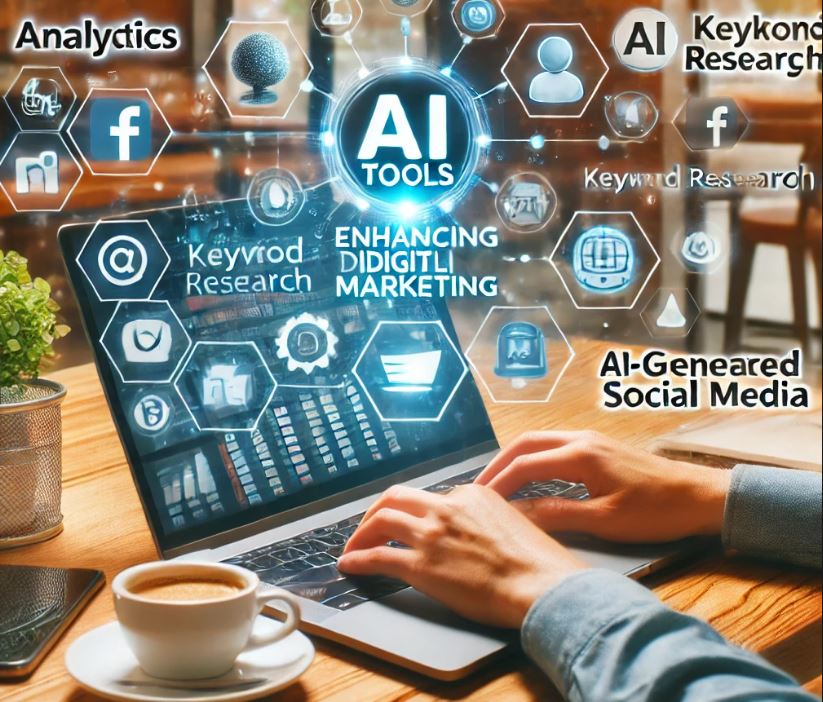
Small and midsize businesses (SMBs) play a pivotal role in economies worldwide by driving employment, sparking innovation, and providing economic stability. However, in today’s competitive landscape, SMBs must leverage technological advancements, particularly artificial intelligence (AI), to maintain their edge. With AI’s growing accessibility and proven utility, it presents a strategic advantage for SMBs to streamline operations, enhance decision-making, and improve customer engagement—making it an essential tool for growth in 2025 and beyond.
Enhancing Operational Efficiency through AI
One of the primary advantages AI brings to SMBs is its capacity to significantly improve operational efficiency. AI-powered solutions can automate repetitive, time-consuming tasks, minimize human error, and elevate productivity across multiple business functions. For instance, AI can manage routine activities like data entry, invoice processing, and customer support, allowing employees to focus on more strategic, high-value responsibilities. In customer service, AI-driven chatbots and virtual assistants can handle common inquiries and FAQs, offering consistent, round-the-clock support that enhances customer satisfaction by reducing wait times and ensuring prompt responses.
AI can also transform inventory management for SMBs. By analyzing historical sales data and identifying emerging demand trends, AI tools enable businesses to optimize stock levels, reducing risks associated with stockouts or overstocking. By ensuring inventory is aligned with customer demand, AI helps businesses improve efficiency, minimize waste, and increase profitability—directly impacting the bottom line.
Creating Personalized Customer Experiences with AI
AI’s data analysis capabilities offer SMBs valuable insights into customer preferences and behaviors. By examining patterns in customer data, businesses can design targeted marketing campaigns and personalized product recommendations that resonate with individual customers. This personalization builds stronger customer loyalty, fosters repeat purchases, and drives revenue growth. For SMBs, data-driven customer engagement offers a competitive edge, allowing them to deliver unique experiences that rival those of larger corporations.
Revolutionizing Digital Marketing Efforts with AI
Digital marketing is another area where AI empowers SMBs to compete effectively with larger enterprises. AI-driven marketing tools help businesses produce high-quality content—from blog posts and social media updates to engaging videos—without requiring extensive resources. Additionally, AI algorithms enable businesses to optimize website content by analyzing trending keywords and providing SEO recommendations, thereby improving search rankings and attracting more organic traffic.
In social media marketing, AI simplifies campaign management by scheduling posts, tracking engagement metrics, and interacting with customers on popular platforms like Instagram and Twitter. By automating these processes, SMBs can maintain an active online presence without dedicating excessive time to social media, allowing them to focus on core business activities and enhance brand visibility.
Implementing AI Effectively: Key Considerations for SMBs
To realize AI’s full potential, SMBs must approach implementation thoughtfully. Businesses should start by identifying specific objectives for AI adoption, such as improving customer service, optimizing marketing efforts, or streamlining internal processes. Defining these goals clarifies which AI tools will deliver the most value. For example, companies focused on enhancing customer interactions might prioritize chatbot solutions, while those aiming to increase online visibility may invest in SEO-focused tools.
Selecting appropriate AI tools is crucial. From simple automation software to advanced analytics platforms, the range of available AI solutions is extensive. SMBs should assess each option for ease of use, scalability, and compatibility with existing systems, ensuring chosen tools offer maximum impact within budget constraints. Given that smaller businesses often have limited resources, prioritizing tools that offer the best value for their investment is essential.
Emphasizing Data Quality and Employee Training
Reliable data is foundational to effective AI use. Before implementing AI, SMBs must assess and clean their data to ensure accuracy and relevance, as inconsistent or outdated data can lead to inaccurate insights and limit AI’s effectiveness. Routine data maintenance is essential for AI applications to remain valuable, producing insights that are meaningful and actionable.
Employee training is another critical component of successful AI adoption. Training ensures that staff can accurately interpret AI-generated insights and apply them in decision-making, aligning AI data with broader business goals. With a skilled team in place, SMBs can fully leverage AI’s capabilities to enhance productivity and customer relationships, driving sustainable growth.
Key AI Trends for SMBs in 2025
As SMBs look toward 2025, several AI trends stand out as particularly relevant. Generative AI, for instance, enables businesses to create a range of content—such as text, images, and videos—thereby boosting content marketing and enhancing customer engagement. Additionally, AI-powered cybersecurity tools are increasingly important as cyber threats grow more sophisticated, offering real-time threat detection to safeguard sensitive data. Cloud-based AI solutions are also gaining traction, providing advanced AI capabilities without the need for substantial hardware investments, which is particularly beneficial for SMBs with limited budgets.
Conclusion: Achieving a Competitive Advantage with AI
Embracing AI is crucial for SMBs seeking to stay competitive in today’s rapidly evolving market. By developing a clear AI strategy, selecting the right tools, maintaining high-quality data, and investing in employee training, SMBs can unlock AI’s potential to streamline operations, strengthen customer relationships, and drive sustained growth. Although AI adoption requires initial time and resources, the long-term benefits—such as enhanced efficiency, increased customer loyalty, and higher revenue—are well worth the investment.
By proactively adopting AI, SMBs position themselves for growth in 2025 and beyond. AI empowers businesses to operate smarter, optimize their processes, and make data-informed decisions that ultimately support success in a competitive marketplace. As AI technology continues to evolve, SMBs that integrate AI into their operations will be equipped to navigate the future of business with confidence and agility.
This article include paid links. As an Amazon Associate this website earn from qualifying purchases at no cost to the buyer.














U.S.- Canada Trade Talks Collapse; Carney Says Retaliatory Tariffs Begin September 8

Flock Cameras and the Future of Public Security

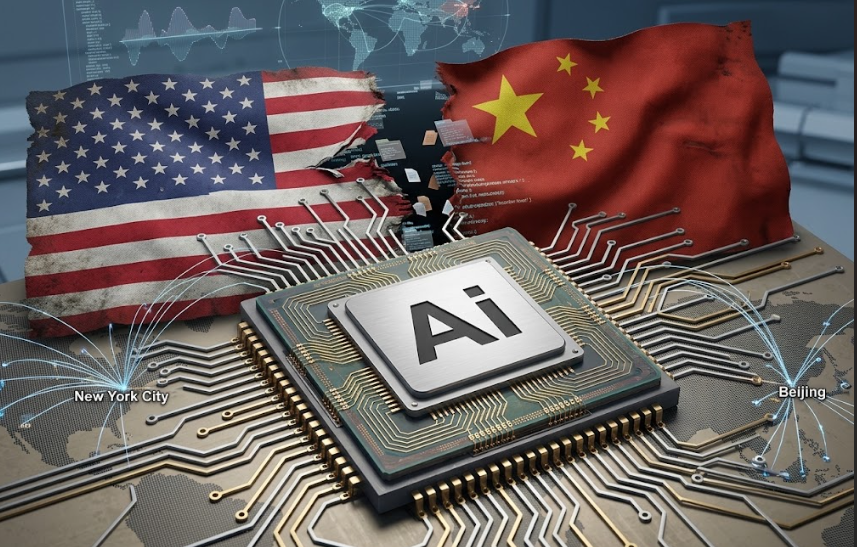
AI Infrastructure Boom Hits Physical Limits: Power, Financing, and Supply Chain Strain

Armanino adds Strategic Accounting Outsourced Solutions

New 2023 K-1 instructions stir the CAMT pot for partnerships and corporations

Tax Strategy: Employee Retention Credit update
-

 Stock News1 week ago
Nvidia Earnings Preview: What Wall Street Expects From the AI Bellwether’s Q2 Report
-

 Accounting1 week ago
SEC’s Semiannual Reporting Proposal Faces Investor Pushback: What CFOs Need to Know
-

 Stock News1 week ago
Nvidia Q2 FY2027 Earnings beats Wall Street Expectation with Record $96.2 Billion Revenue
-

 Finance1 week ago
Treasury Bond Volatility Forces Bessent to Double Debt Buyback Size as Yields Swing
-
 Technology4 days ago
AI Infrastructure Boom Hits Physical Limits: Power, Financing, and Supply Chain Strain
-
 Economics2 days ago
U.S.- Canada Trade Talks Collapse; Carney Says Retaliatory Tariffs Begin September 8
-
 Technology2 days ago
Flock Cameras and the Future of Public Security