
Personal Finance
Here are the best ways to save money this holiday season, experts say


As the U.S. presidential election laid bare, economic anxiety is top of mind.
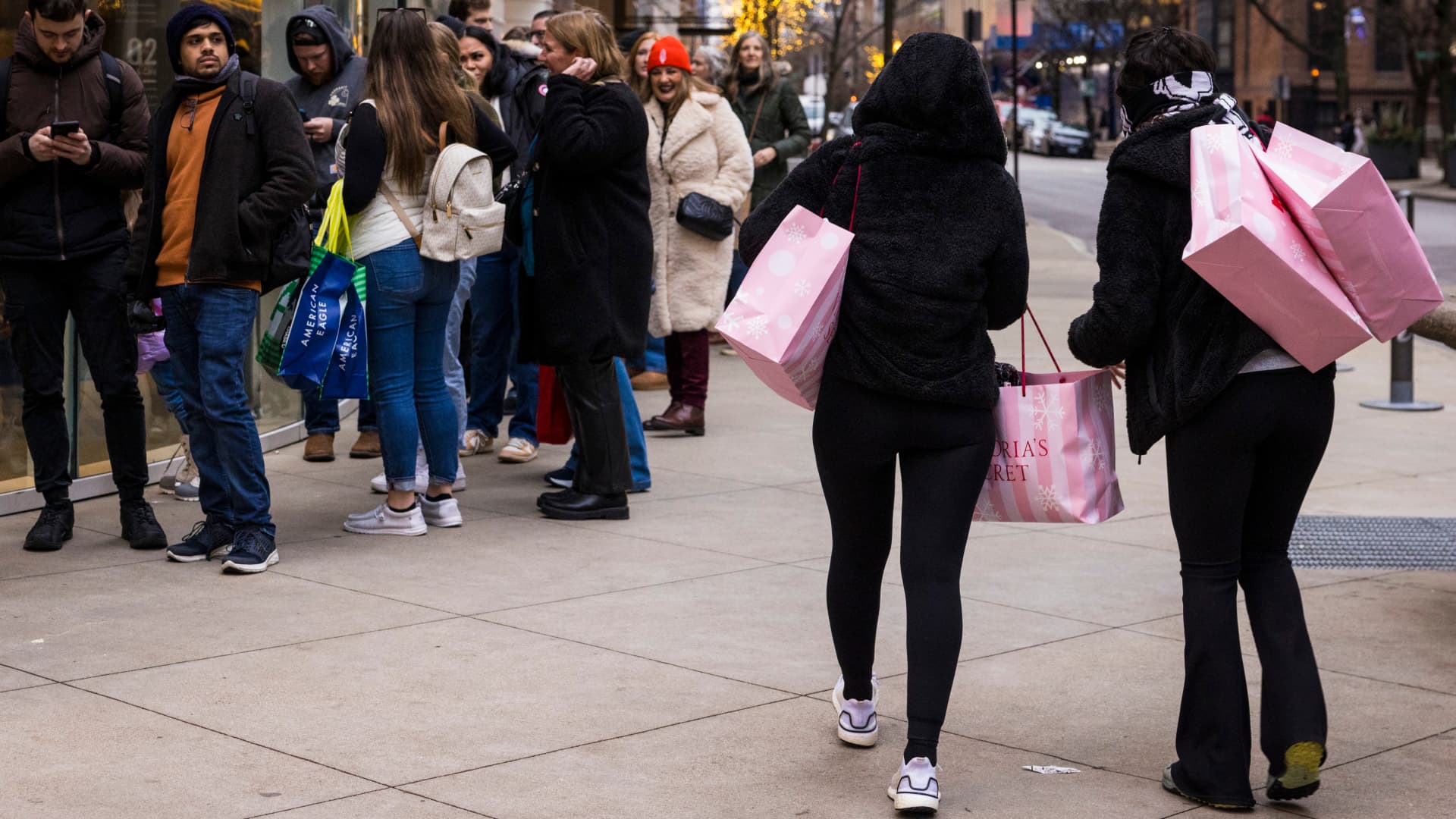
High costs have weighed heavily on household finances, with 2 in 3 Americans concerned about how they’ll manage holiday expenses, when the temptation to splurge is heightened.
This year, holiday spending, between Nov. 1 and Dec. 31, is expected to increase to a record $979.5 billion to $989 billion, according to the National Retail Federation.
More from Personal Finance:
Frustration with the status quo ripples through pop culture
‘I cry a lot but I am so productive, it’s an art’
Here’s what ‘recession pop’ is
Even as credit card debt tops $1.14 trillion, holiday shoppers expect to spend, on average, $1,778, up 8% compared to last year, Deloitte’s holiday retail survey found.
Meanwhile, 28% of holiday shoppers still have not paid off the gifts they purchased for their loved ones last year, according to another holiday spending report by NerdWallet.
How to save money over the holidays
Heading into the peak holiday shopping season, there are a few steps you can take to help maximize your cash.
1. Pay attention to holiday sales
With Black Friday and Cyber Monday falling later on the calendar this year, “it’s a shorter holiday season and that will force the retailer’s hand to be pretty promotional in November,” according to Adam Davis, managing director at Wells Fargo Retail Finance.
Major retailers tend to heavily discount some of their products as the holiday season unfolds. While some sales events earlier in the year are becoming more common, it makes sense for consumers to pay attention to what products are tagged for those events.
A shopper looks at clothes inside a store at Twelve Oaks Mall on November 24, 2023 in Novi, Michigan.
Emily Elconin | Getty Images
“Retailers need to stay proactive and nimble to ensure they are not stuck over-inventoried after holiday, and you will see deeper discounts as we get closer to the holiday on items not moving off shelves,” Davis said.
Nearly half, or 47%, of all consumers are waiting for discounts on clothes or accessories, followed by electronics at 45%, according to Morning Consult.
To snag the best price, shoppers can use online tools to track and search for sales products and items, said Sara Rathner, a credit card expert at NerdWallet.
2. Consider trading down
Some shoppers are also more willing to alternate higher-cost products for cheaper or less expensive versions, Morning Consult found.
For instance, shoppers are more likely to trade down from high-end skin and hair care products to less expensive alternatives, said Sofia Baig, an economist at Morning Consult.
“Maybe they’re not shopping for luxury items at Sephora, they’re going to Target instead to get something that is a little bit more in their budget,” she said.
Whether that means trading down to a lower-priced retailer or specific brand, consumers are actively looking for bargains this year, Davis said.
Gen Z and millennial shoppers, in particular, tend to often walk away from name brand products and “dupe” shop instead to save some cash.
Davis also recommends shopping secondhand to save on big-ticket items.
3. Try “slow shopping”
So-called “slow shopping” promotes the importance of taking time to think through each purchase to make more intentional buying decisions, according to consumer savings expert Andrea Woroch.
“Slow shopping encourages consumers to think through each potential purchase rather than jumping on impulse,” Woroch said.
“This allows you to be mindful about what you’re buying, why you’re buying and who you’re buying for while also giving you time to save up, compare prices and look for coupons,” Woroch added.
In many cases, there are good reasons to wait.
Slow shopping allows you to time your purchase based on when it’s on sale for the lowest price, Woroch explained.
Identifying and eliminating spending triggers can also help you avoid impulse spending that leads to debt, she said, such as unsubscribing from store emails, turning off push notifications in retail apps and deleting payment information stored online.
4. Dog-ear this date for travel discounts
While some people booked their travel plans for the season, about 45% of travelers have not purchased plane tickets yet because the price was too high, Morning Consult found.
While mid-October may have been the best time to book your holiday travel, you might have one last chance. “Travel Tuesday,” or the Tuesday that follows Black Friday, is a date to pay attention to, according to Hayley Berg, lead economist at travel site Hopper.
In 2023, Travel Tuesday saw a spike in hotel, cruise and airline bookings by travelers in the U.S., according to McKinsey & Company.
Some experts recommend booking a trip or experience in lieu of presents to keeping the holiday expenses in check. “Spending time is together is better than any gift you could give,” Woroch said.

Personal Finance
Next-Generation Retirement Planning: Managing Longevity Risk and Variable Income Streams


U.S.- Canada Trade Talks Collapse; Carney Says Retaliatory Tariffs Begin September 8

Flock Cameras and the Future of Public Security

AI Infrastructure Boom Hits Physical Limits: Power, Financing, and Supply Chain Strain

Armanino adds Strategic Accounting Outsourced Solutions

New 2023 K-1 instructions stir the CAMT pot for partnerships and corporations

Tax Strategy: Employee Retention Credit update
-

 Stock News1 week ago
Nvidia Q2 FY2027 Earnings beats Wall Street Expectation with Record $96.2 Billion Revenue
-
 Technology6 days ago
AI Infrastructure Boom Hits Physical Limits: Power, Financing, and Supply Chain Strain
-
 Technology4 days ago
Flock Cameras and the Future of Public Security
-
 Economics4 days ago
U.S.- Canada Trade Talks Collapse; Carney Says Retaliatory Tariffs Begin September 8